Ethanol Petrol: The Modi government has taken a major step toward promoting ethanol-based petrol. The government has decided to exempt petrol containing 22% to 30% ethanol (E22, E25, E27, and E30) from excise duty. This is expected to encourage greater ethanol-based fuel use in the country. This decision comes at a time when India is rapidly pursuing a strategy to reduce its dependence on imported crude oil and increase the use of biofuels.
Following E20, India is now progressing towards E30.
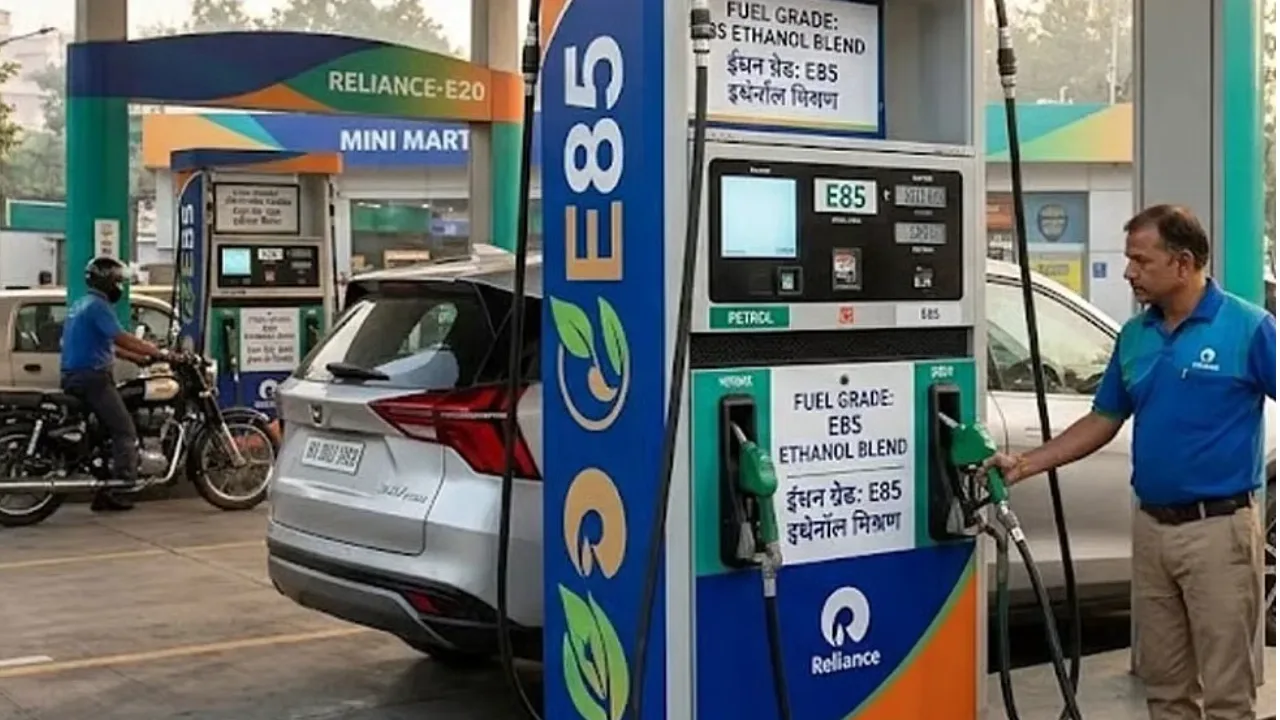
At present, E20 petrol, which consists of a 20% ethanol blend, is being promoted across the nation. The government has now also paved the way for higher blend petrol options like E22, E25, E27, and E30. Recently, the Bureau of Indian Standards (BIS) has issued quality standards for these new fuel blends. These standards, set to take effect on May 15, 2026, outline requirements for ethanol percentage, octane rating, sulfur content, vapor pressure, and safety measures.
India ranks as the third-largest importer and consumer of crude oil globally. The country relies heavily on foreign sources to meet its oil demands. Consequently, increasing the ethanol blend offers numerous advantages. It will help lower the crude oil import expenses, provide savings in foreign exchange, create new markets for farmers, and boost the earnings of sugarcane and grain producers. Additionally, it will contribute to a reduction in harmful carbon emissions. The government’s long-term goal is to reach a 30% ethanol blend in petrol.
What effects will this have on consumers?
Experts suggest that the immediate impact on consumers will be minimal for the time being. However, the future may see a rise in the availability of fuels with higher ethanol blends. In the meantime, vehicle owners are expressing concerns regarding E20 and higher blends, particularly about mileage, engine performance, and maintenance costs. A survey conducted last year revealed that many consumers were wary of E20 fuel.
What is the tax exemption decision indicating?
The excise duty exemption on petrol with a higher ethanol blend indicates that the government isn’t stopping at E20. India is now rapidly moving towards higher-blend fuels like E30, which could significantly benefit both the country’s energy sector and sugar industry in the coming years.