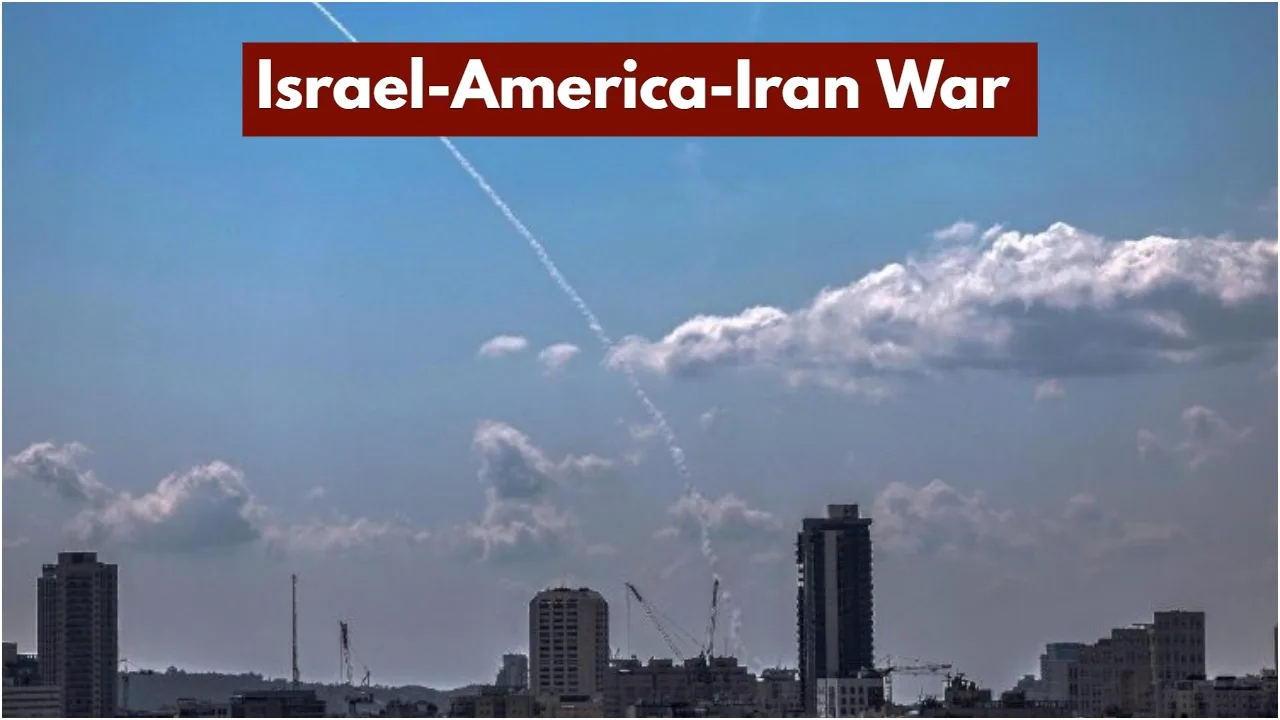
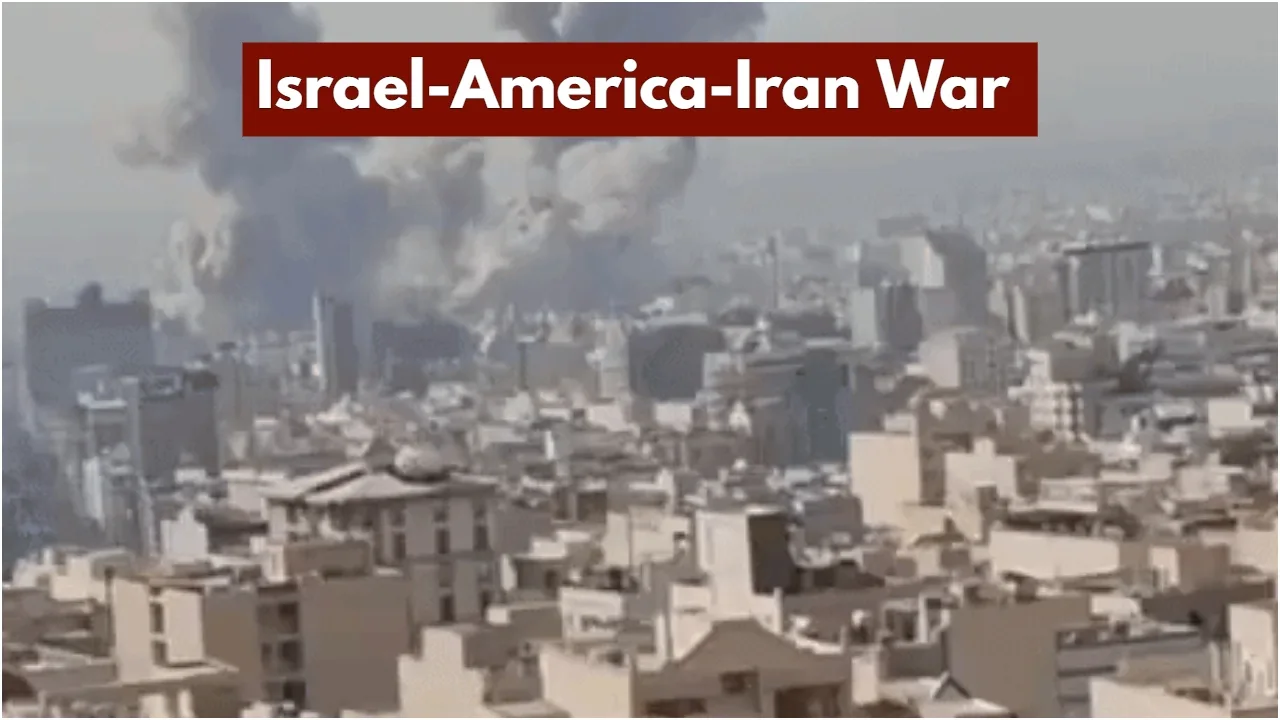
New Delhi: There appears to be no sign of a thaw in the Israel-US vs. Iran conflict. Iran, too, is not lagging in retaliatory attacks and rhetoric. Iran is continuously launching rockets, drones, and missiles targeting military bases in Israel.
Amidst the escalating tensions, Iran has issued a new warning to the US and Israel regarding the Strait of Hormuz. This time, US President Donald Trump has been warned to protect oil tankers. The Strait of Hormuz is a crucial corridor for global oil trade.
After the war began, Iran warned that it could cause significant damage to ships passing through the Strait of Hormuz if its interests were harmed. Consequently, hundreds of ships became stranded in the Strait of Hormuz, disrupting crude oil supplies.
Iran Issues a Major Threat
A senior Iranian official has issued a major warning to the US amid the tensions. He clarified that Iran has not closed the Strait of Hormuz, but ships belonging to Israel and the US cannot pass through it.
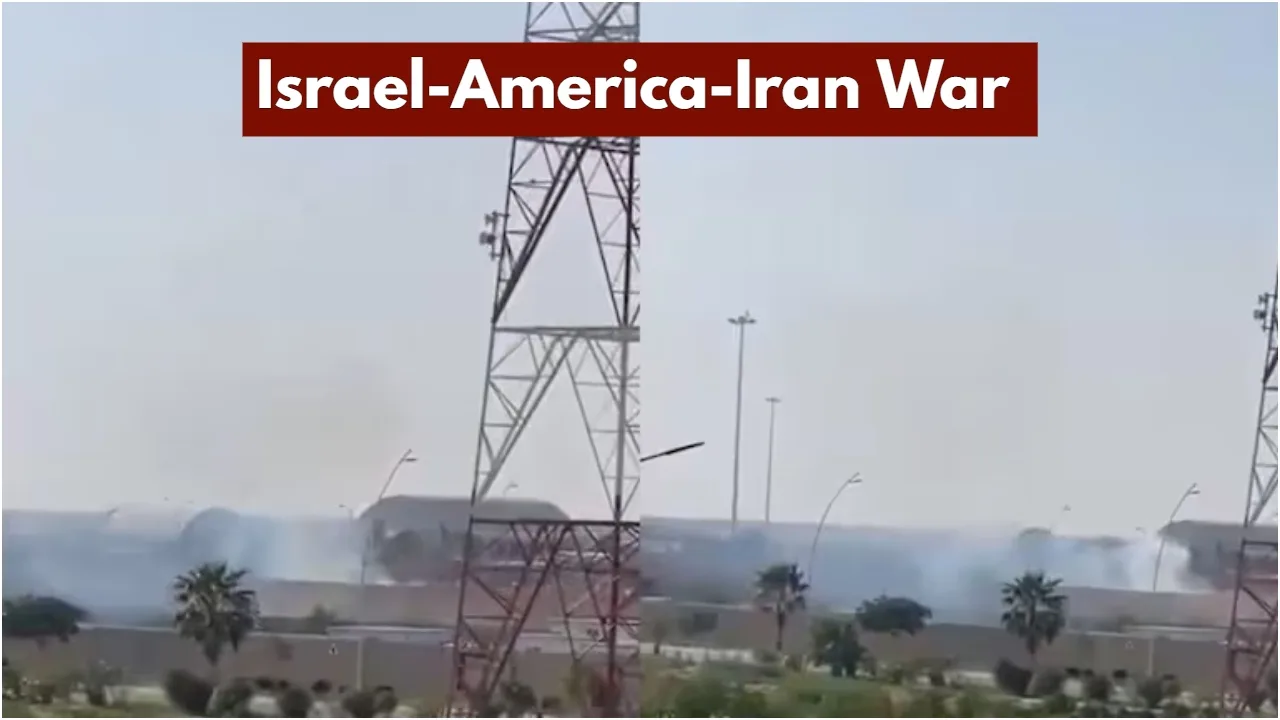
Additionally, a spokesperson for the Iranian Revolutionary Guards stated, “We challenge Trump to use American ships as an escort to remove oil tankers from the Strait of Hormuz.” US Treasury Secretary Scott Bessant also stated the Strait of Hormuz. He stated that the US is making efforts to ensure the safe passage of ships through that route, and a solution will be found soon.
Learn why the Strait of Hormuz is special.
This narrow sea route connects the Persian Gulf to the Gulf of Oman and further to the Arabian Sea. Approximately 20% of the world’s crude oil and 25% of natural gas supplies pass through this route. Countries like Saudi Arabia, Iraq, the UAE, and Iran rely on this route for a significant portion of their energy exports.
At present, due to the attacks, activities here have virtually come to a standstill. For Iran, this is not only an economic lifeline but also a vital means of demonstrating naval power. Its coastal missiles, drones and high-speed small boats are constantly deployed in the area, strengthening its maritime capabilities in the region.