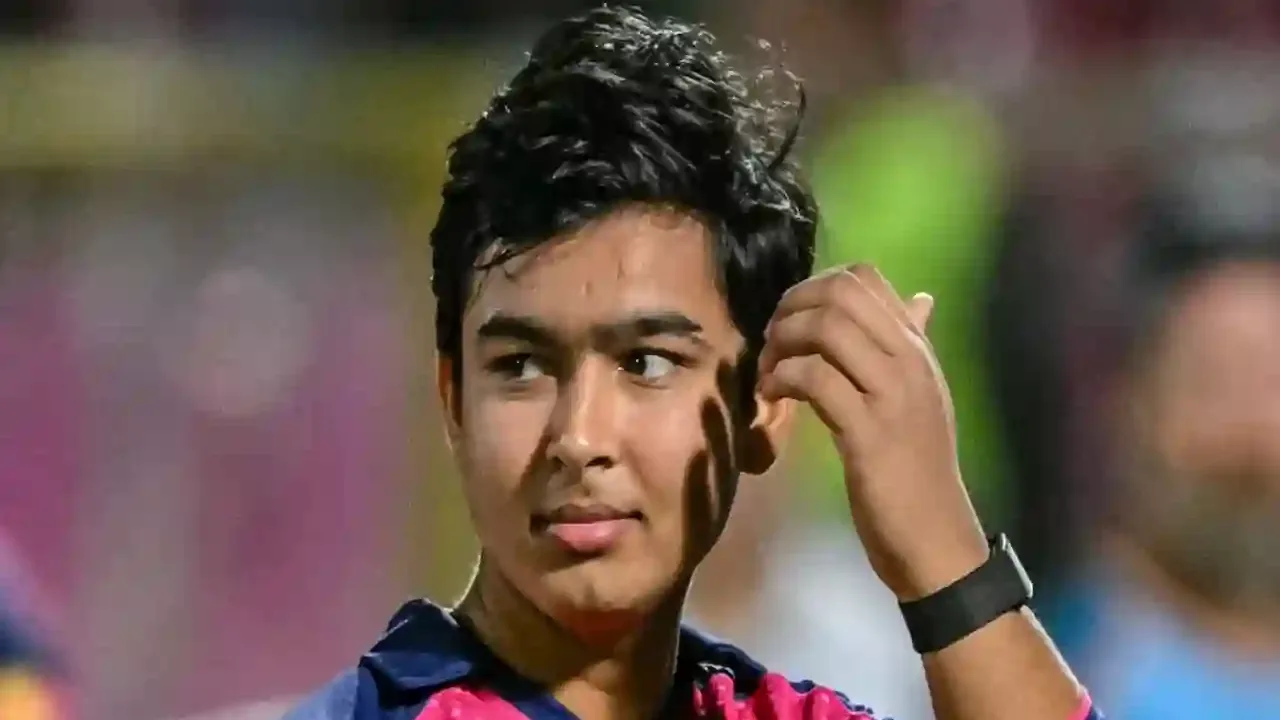
Vaibhav Sooryavanshi Tax: Vaibhav Suryavanshi’s name was the talk of the town during the 2026 Indian Premier League. This season, Suryavanshi delivered some explosive performances, carving out a distinct identity for himself in the cricketing arena. He also accumulated a significant amount of wealth during this time. As per reports, his net worth has soared to around Rs 7 crore (approximately $1.7 million). This raises an important question, will Vaibhav Suryavanshi need to pay taxes after earning such a substantial sum? This inquiry is particularly relevant since Suryavanshi is just 15 years old and still a minor.
Many people think that minors are exempt from paying taxes. But what do the income tax regulations say about the earnings of minors? Will Vaibhav Suryavanshi be liable for taxes? Know this further.
Do minors have to pay taxes?
In India, anyone below the age of 18 is classified as a minor. Minors are not obligated to pay taxes separately. The income tax laws treat their earnings as part of their parents’ income. This is referred to as clubbing of income in tax terminology. Essentially, if a child has a fixed deposit or any other income-generating asset in their name, that income is combined with their parents’ income. Taxes on a minor’s assets are also charged under the parents’ name.
Will Sooryavanshi have to pay tax?
However, there are certain exceptions to these income tax rules. Specifically, if a minor earns income through their own skills and talents, that income is not included with their parents’ earnings. This applies to income from cricket, acting, singing, content creation, dancing, and other professional endeavors. If a child generates income from these activities, it is recognized as their own. In such instances, a separate income tax return is filed under the minor’s name, although their legal guardian submits the ITR on their behalf.
This regulation is applicable to cricketer Vaibhav Sooryavanshi
Since Sooryavanshi has earned money through cricket, his income will not be merged with his parents’ earnings. Consequently, Vaibhav Suryavanshi will be recognized as a taxpayer, and his income will be subject to taxation.
How is tax levied on minors?
The first category is passive income, where the child does not earn money through their own physical or mental effort. For example, if parents have opened a fixed deposit (FD) in their child’s name, purchased a property that generates rent, or invested in mutual funds, the interest or profits earned on such income are considered passive income for the child. Under Section 64(1A) of the Income Tax Act, such income is added to the child’s parents’ income.
This is known as “clubbing of income” in financial parlance. This passive income is added to the income of the parent with the higher annual income, and they will be required to pay tax on it according to their tax slab. However, in this situation, parents also receive a small annual deduction of Rs 1,500 per child.