In today’s times, if you’re hospitalized once, your years of savings can be wiped out in a flash. Data for the year 2025-26 shows that medical expenses are increasing by a staggering 15-20% annually. In such a situation, health insurance is the only shield that can protect you from this onslaught of inflation. But in the era of Digital India, people often buy policies simply because of the “cheap premium” and forget to read the detailed rules.
Room Rent Limit
This is the biggest hurdle in health insurance. Companies often don’t clearly state the room rent limit when selling the policy. Suppose your policy is for ₹5 lakh and has a 1% room rent limit, you will only be able to get a room for up to ₹5,000.
In today’s major hospitals, the rent of a good room can be up to ₹10,000. In such a case, the insurance company will only pay ₹5,000, and you will have to pay the remaining ₹5,000 from your own pocket. Therefore, always choose a strong policy with ‘No Room Rent Limit’.
Restoration Benefit
Be sure to include this feature in your policy. It’s a strong safety net that refills your insurance cover when it’s exhausted. For example, if you have a ₹10 lakh policy and the entire ₹10 lakh is spent on treating a critical illness, the company will immediately restore your cover to ₹10 lakh. This provides reliable support to another family member or the same person in case they need it again during the remaining months of the year.
Check the Waiting Period
Coverage for every illness doesn’t begin immediately upon policy purchase. Pre-existing diseases have a waiting period of a few months or years. Read it carefully before purchasing a policy. Compare different companies and choose the policy with the shortest waiting period. A shorter waiting period means you’ll Business Idea: Start These 4 Businesses With Low Investment, Then Earn Big Every Month” receiving solid protection much sooner.
Avoid the lure of co-payments
Companies often offer customers the option of co-payments to reduce premiums. They’ll say that if you pay 20% of the bill yourself, the premium will be reduced. You should exercise extreme caution here. If the hospital bill comes to ₹10 lakh, you’ll have to pay ₹2 lakh yourself. It’s not wise to risk lakhs of rupees just to save a few rupees on the premium. Always prioritize policies with ‘Zero Co-payment’.
Pre and Post Hospitalization
Treatment isn’t just about hospitalization. The cost of pre-hospitalization tests and post-discharge medications also counts. Therefore, choose a policy that covers expenses for at least 60 days before (pre) and 90 to 180 days after (post). Otherwise, you will pay less in premiums, but the bills for tests and medicines will drain your pocket.
Benefit of No Claim Bonus
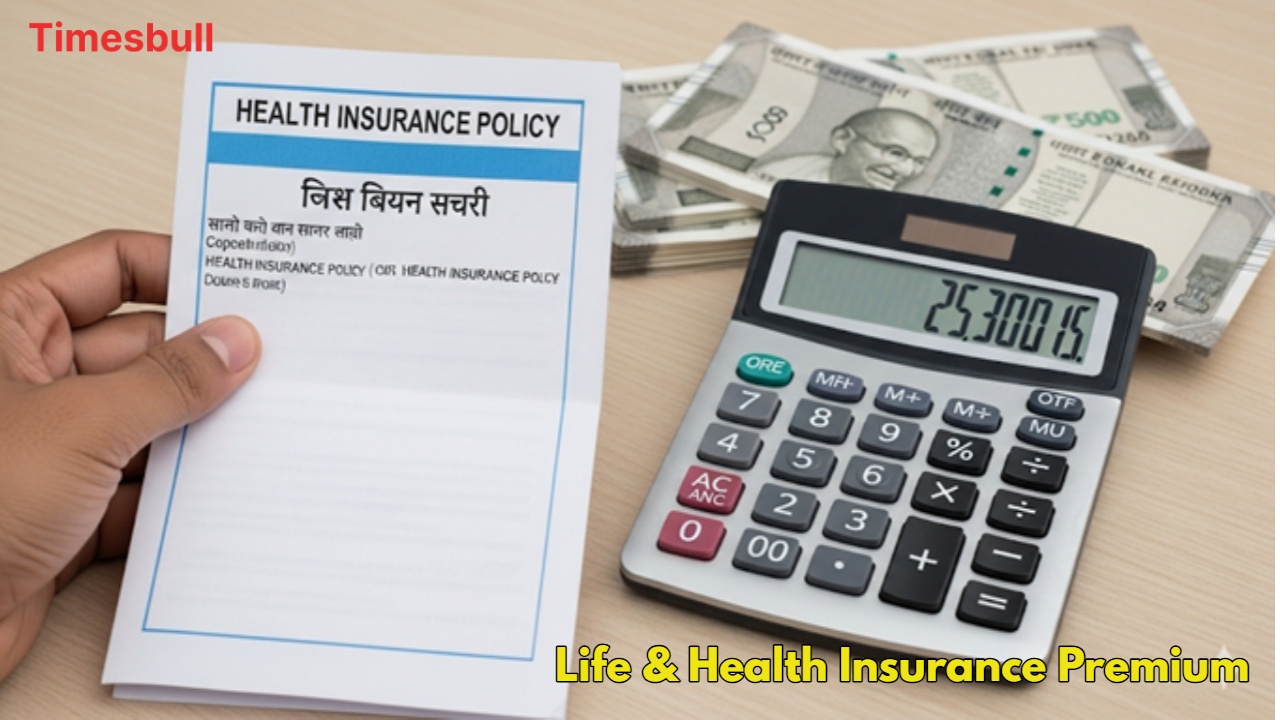
If you remain healthy throughout the year and do not make any claims, the insurance company rewards you. This is called No Claim Bonus (NCB). Many companies, in the pursuit of lower premiums, omit this benefit. This feature is crucial as it steadily increases your sum insured each year without increasing your premium.
Coverage of Day Care Treatments
Technology has advanced so much these days that cataracts, dialysis, or minor surgeries do not require a 24-hour hospital stay. Make sure your policy covers all day care treatments. If the policy only mentions ‘hospitalisation’ and not ‘day care’, the claim for treatment less than 24 hours may be rejected.