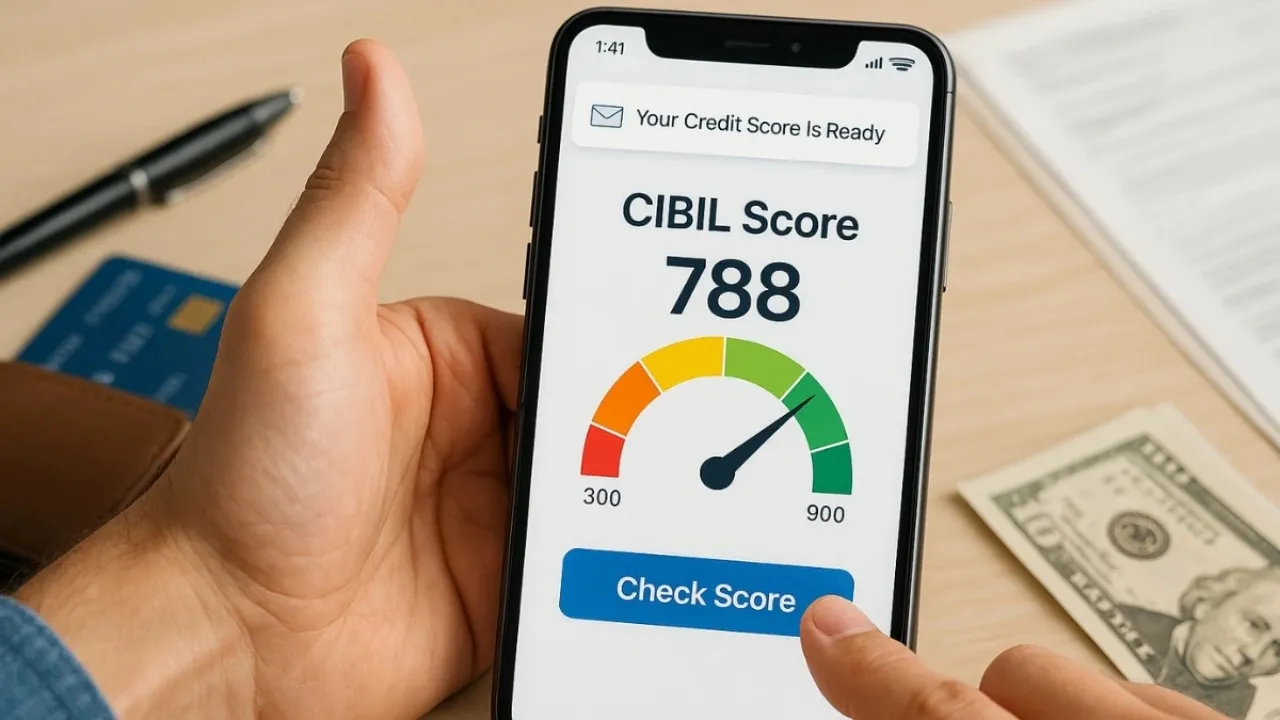
CIBIL score: Whenever you go to a bank for a Loan, the first thing they look at is your CIBIL score. Therefore, a CIBIL score is extremely important. A good CIBIL score can easily secure a loan. If your CIBIL score is 780, you can apply for a loan, but you may receive a rejection message from the bank. There’s no need to worry about this; banks consider many factors in a loan application.
Lack of a stable income
Your stable income plays a key role in loan approval. Banks look at how secure your job is. Frequent job changes, recently joining a new job, or having a long gap in employment are considered risks by the bank. Most banks require you to have worked continuously in the same sector for at least two to three years. If you are self-employed, the scrutiny becomes even more stringent. Banks closely examine your Business Idea: Start These 4 Businesses With Low Investment, Then Earn Big Every Month”’s annual income, tax returns, and previous years’ performance. Even a small decline can weaken your application.
High Liabilities
If a large portion of your income is already going towards ongoing EMIs, banks are reluctant to grant a new loan. Generally, if 40–50% of your income is already committed, banks consider it a risk. Therefore, it’s important to close small loans, pay credit card bills on time, and keep your financial burden low.
Read Here: Dharmendra Net Worth – Inside the Legendary Actor’s Wealth, Properties and Last Investments
Frequently Applying for Loans
Applying for loans or credit cards multiple times in a short period of time makes banks suspicious of your profile. Each application is subject to a hard inquiry, which suggests you need immediate credit. This sends a negative signal to the bank.
Past Bank Record
Sometimes, your past record can hinder your loan. If you’ve previously paid EMIs late, had a dispute, or had a loan settlement, this is recorded in the bank’s internal data. Even if your CIBIL score is good now, a past negative history can still be a problem.
What can you do to get a loan easily?
Maintain job stability, minimize unnecessary loans, maintain a good track record with each bank, and avoid repeated applications. A credit score opens doors, but your financial habits determine whether a loan will be approved.
How is a credit score determined?
Your score is based on your payment history, total outstanding loans, credit card usage, new loan applications, and the length of your old loans.
Read Here: Motorola Vs Vivo Budget Phones 2025 – Which Brand Gives Better Value?
What is a good credit score?
If your score is 750 or above, banks consider you a trustworthy customer. Such customers can easily obtain loans and may also receive lower interest rates. However, a score of 600–650 or lower can make obtaining a loan difficult, as it indicates a poor repayment history.
Why is a credit score important?
Every bank wants to see how a customer has utilized their previous credit before granting them a loan. Your credit score helps banks determine whether you’re safe to trust. Therefore, it’s considered a crucial part of your financial identity.
How to Improve Your Credit Score?
Make EMI and credit card payments on time, avoid overusing your card limit, avoid applying for new loans frequently, and clear small balances promptly. These habits gradually improve your credit score.