Iran–Israel War: Iran israel War Effects: Fertilizer manufacturers in India have begun to scale back their production. This reduction is due to the disruption in the supply of liquefied natural gas (LNG) from Qatar, caused by escalating military actions in the Middle East.
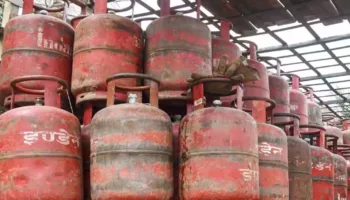
LNG is essential for producing Urea, which acts as both an energy source and a crucial component in the manufacturing process. Business Idea: Start These 4 Businesses With Low Investment, Then Earn Big Every Month”/gas-cylinder-why-was-the-number-of-subsidized-cylinders-reduced-government-explains-the-reaso-750917.html" class="tb-related-post-link" rel="bookmark">Gas Cylinder: Why Was the Number of Subsidized Cylinders Reduced? Government Explains the Reaso statistics indicate that India imported 27 million tonnes of LNG during the financial year 2024-25, accounting for nearly half of the nation’s total gas consumption. A significant portion of this import comes from Qatar.
Production cuts initiated
Certain companies, including the Indian farmers Fertilizer Cooperative Ltd. (IFFCO), have started to decrease production at their urea facilities. Bloomberg reported, citing sources familiar with the situation, that if supply disruptions continue, these companies may have to shut down their operations.
Official statement: No current shortage
A senior official from India’s fertilizer ministry stated that the geopolitical situation is under close observation and that there is no current gas supply shortage. He refrained from commenting on the decrease in urea production. Suresh Kumar Chaudhary, the director general of the Fertilizer Association of India, mentioned that there are adequate reserves to satisfy short-term demand. He expressed optimism that the conflict could resolve soon, but noted that it would be concerning if it persisted.
The conflict’s impact on Pakistan
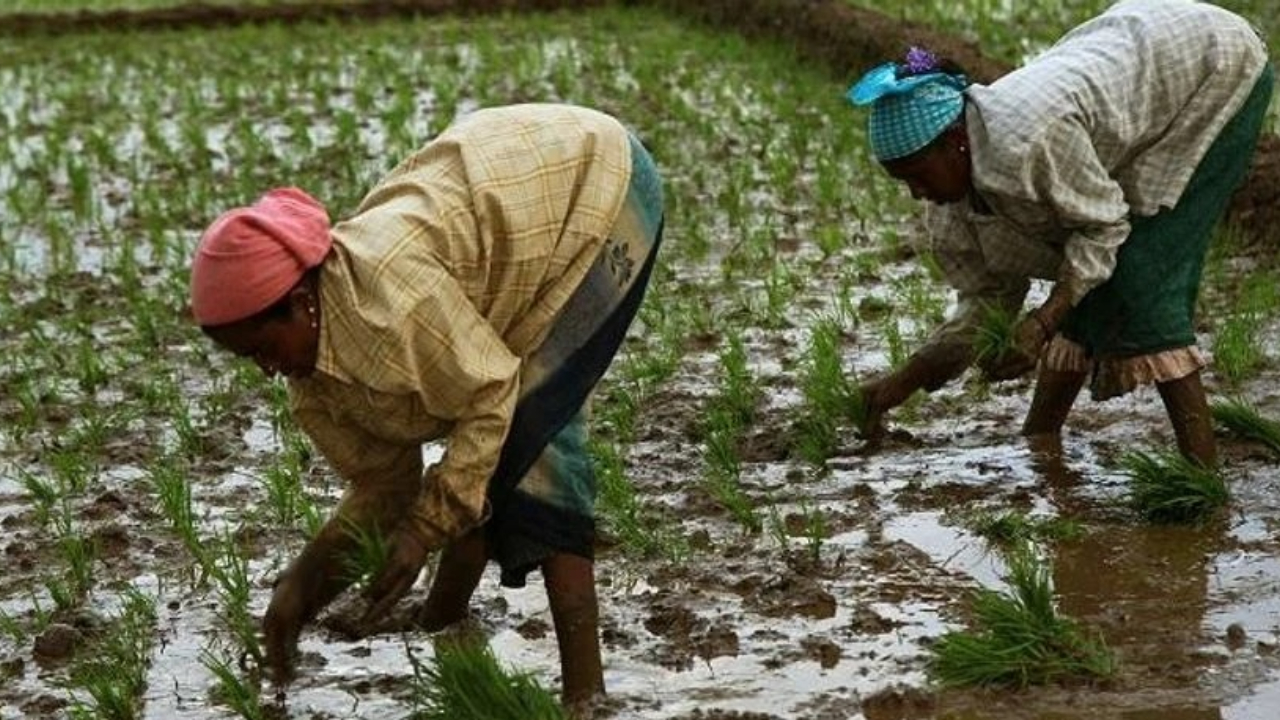
The situation has also impacted Pakistan, as Sui Northern Gas Pipelines Limited has notified its customers that it will be unable to provide regasified LNG to fertilizer plants. Pakistan primarily sources its LNG from Qatar. Should production cuts persist, India may have to depend on costly imports as the monsoon season approaches in June. India is the leading producer and exporter of rice globally and ranks as the second-largest producer of sugar, wheat, and cotton.
Expensive fertilizer imports could make it difficult for the government to control subsidies to farmers. The government wants to reduce the fiscal deficit to 4.3 percent of gross domestic product in the next fiscal year, down from this year’s target of 4.4 percent.