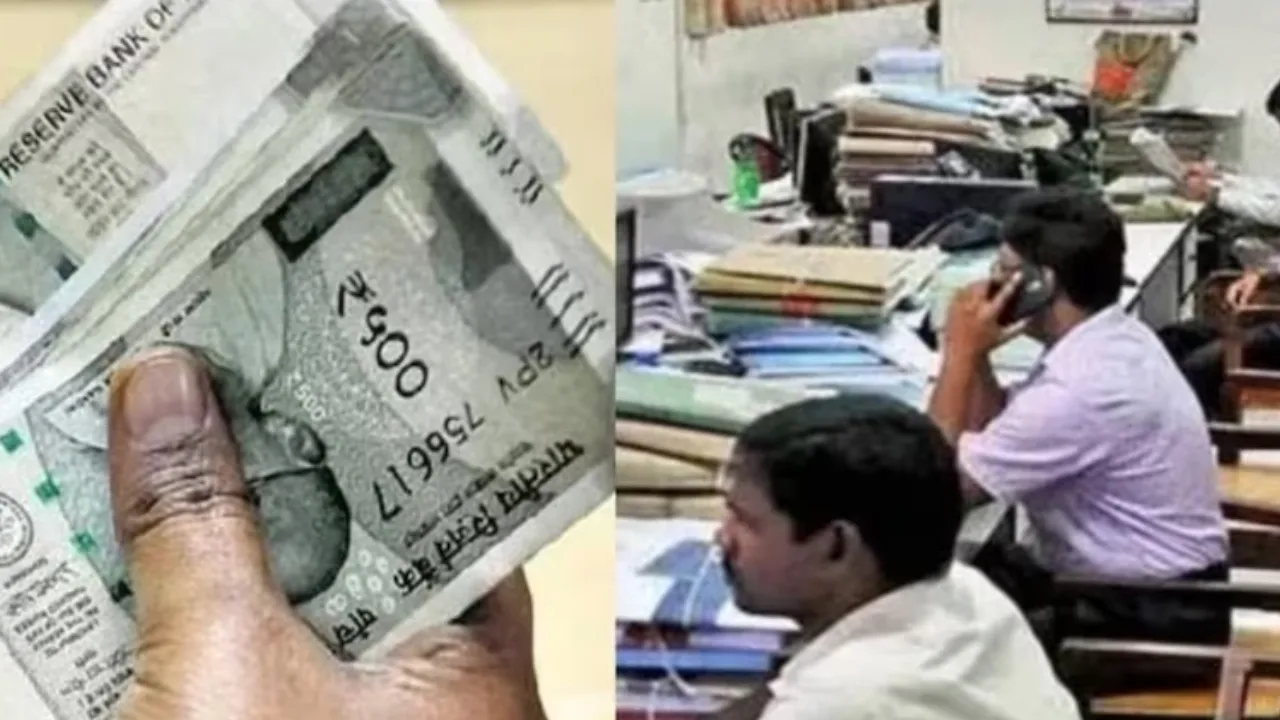
8th pay commission Pension: Big update is here for central government employees. Especially pensioners who are eagerly waiting for 8th Pay Commission. While the 8th Central Pay Commission’s recommendations will take a year to arrive, speculation is rife about the fitment factor before then. Employee organizations are demanding a fitment factor ranging from 3 to 5.28, but experts believe that implementing such a significant pay hike will be difficult for the government.
What do experts have to say?
Pension specialists indicate that such requests may not align with economic realities, particularly as the government’s obligations under contributory pension plans like the National Pension System (NPS) and the Unified Pension Scheme (UPS) are on the rise. Manjeet Singh Patel, the president of the All India NPS Employees Federation and a pension authority, notes that even if the government introduces a fitment factor of about 2, the overall salary expenses could still see a substantial increase.
What is the extent of the government’s burden?
Using an example, Manjeet Singh Patel explained, “Imagine an employee with a basic salary of Rs 100 who currently earns Rs 160 monthly, which includes a 60% dearness allowance. If the basic salary is increased to Rs 200 due to the revised fitment factor, the employee’s salary will rise by Rs 40 from the existing Rs 160. Therefore, the actual increase would be around 25%.” This illustrates that even if the fitment factor is considerably less than what employee unions are requesting, government spending could still rise significantly. Should the government apply a fitment factor close to 2.0, the treasury could face an extra burden exceeding Rs 2 lakh crore.
It’s important to highlight that roughly 3.2-3.3 million central government employees are currently enrolled in the National Pension System (NPS). Employees contribute 10% of their basic salary and dearness allowance, while the government contributes 14%. Each month, the government allocates about Rs 3,000 crore to NPS accounts. For the Unified Pension Scheme (UPS), the government’s contribution can reach up to 18.5%. This results in an additional Rs 6,660 for a basic salary of Rs 40,000.
Manjeet Singh Patel said, “This means that salary and pension increases under the 8th Pay Commission are not the only important considerations. Furthermore, the government will also have to bear the burden of the 14 percent NPS and 18.5 percent UPS deductions for 5.5 million employees and 6.9 million pensioners. This is a significant burden.”