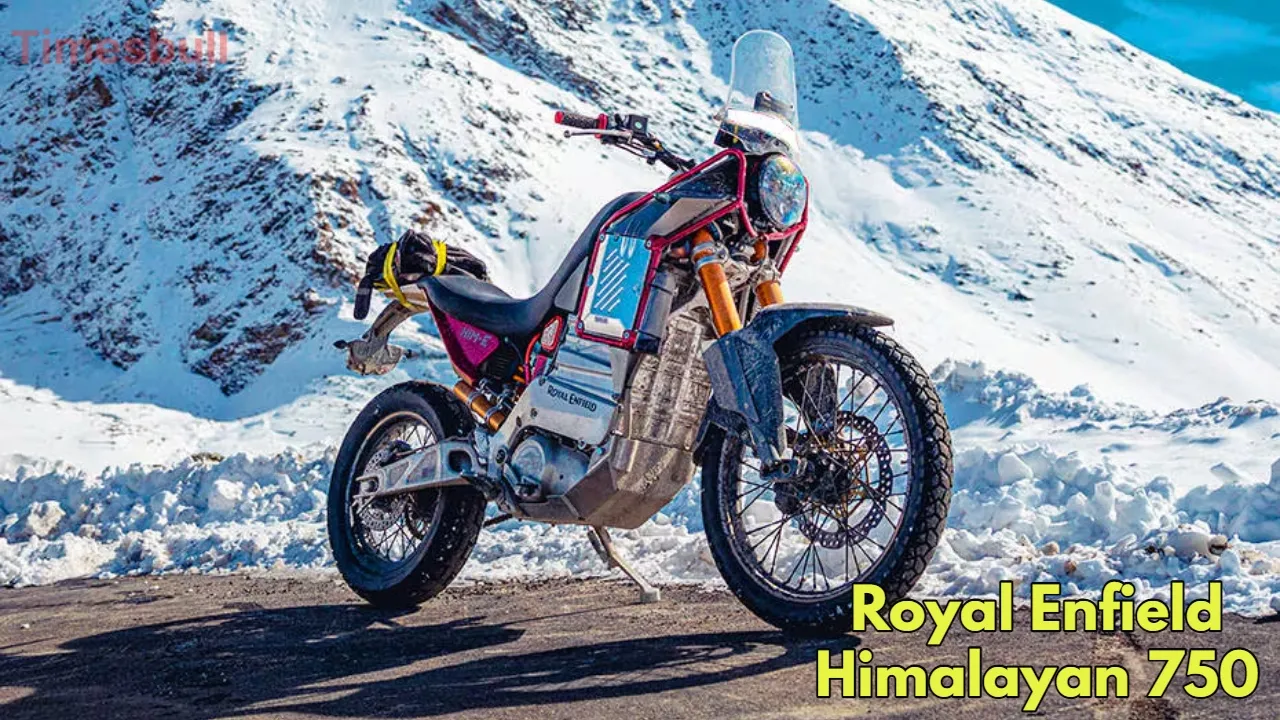
If you’re an adventure touring enthusiast and have been waiting for a Car: These Powerful Cars to Rival Toyota Innova, Offer Great Features Too, Know More adventure bike that can take on the true Himalayan challenges, the teaser for the Royal Enfield Himalayan 750 has taken the market by storm! Released ahead of EICMA 2025, the teaser featured the tagline, “Born at 5,632 meters.”
This tagline clearly indicates that this new flagship adventure (ADV) bike isn’t just for the streets, but for conquering the world’s highest mountains. This new 750cc bike Maruti Suzuki: These Maruti Cars Will Be Available Cheaper, Complete This Work by June 14 succeed the existing Himalayan 450 and is expected to hit the market next year. Learn about its powerful engine, cutting-edge features, and what makes it India’s greatest adventure bike.
New 750cc Parallel-Twin Engine
Royal Enfield has used its most powerful engine in the Himalayan 750, which will completely transform the driving experience. This flagship bike will feature a newly developed 750cc parallel-twin engine. This motor is a larger and more torquey version of the company’s successful 650cc twin-cylinder platform.
This motor will produce approximately 50 hp of power and over 55 Nm of torque. This power is ideal for challenging mountain trails and long-distance touring. This engine will be paired with a 6-speed gearbox with a slipper clutch, making gear shifting extremely smooth.
Chassis and Suspension
The Himalayan 750 is designed not only for power but also for improved handling and stability. A recently spotted test model reveals several major changes, including an all-new chassis with a monoshock and linkage. The bike will feature twin disc brakes with Bybre calipers at the front.
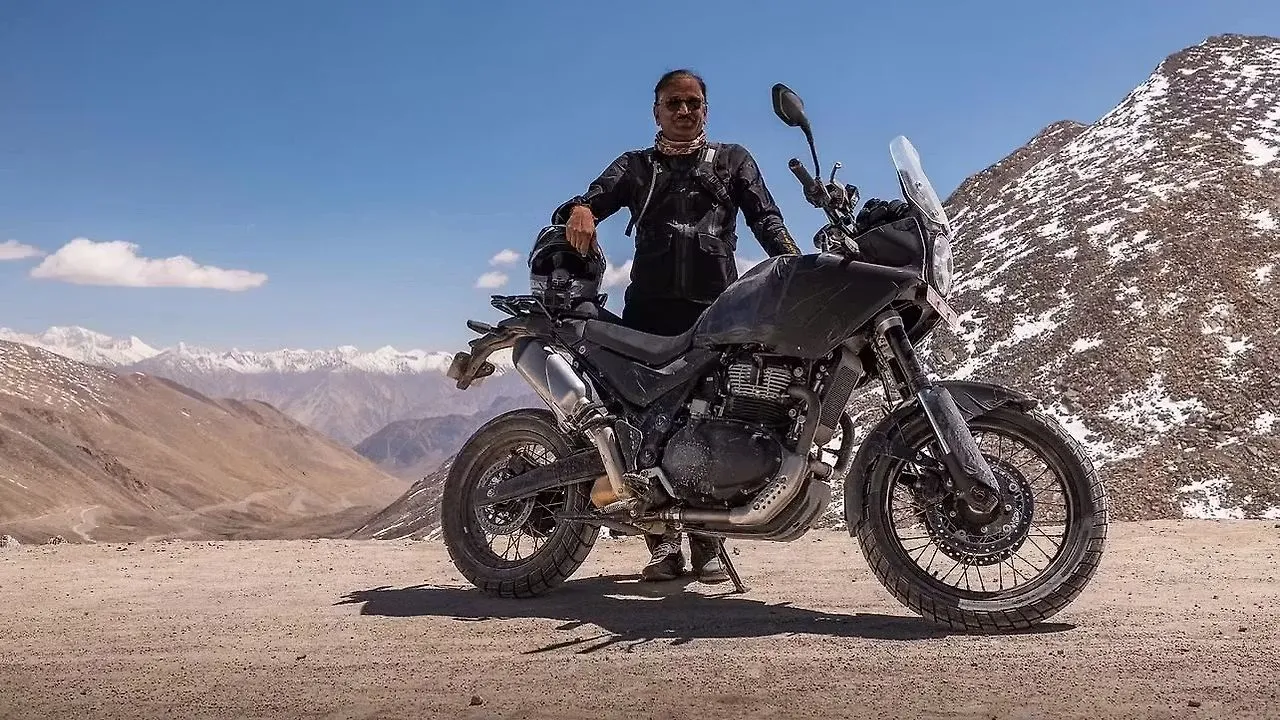
For suspension, it will feature fully adjustable USD (upside-down) forks and a preload-adjustable rear monoshock, ensuring a comfortable ride on any terrain. It will feature 19-inch front and 17-inch rear wire-spoke wheels, suitable for both touring and off-road use.
Features and Design
The Himalayan 750’s design is similar to the familiar 450cc model, but its proportions give it a more mature, long-distance touring feel. This includes a more striking front cowl, a higher windscreen, and a larger fuel tank. The cockpit will feature a TFT screen that enables smartphone connectivity and navigation. Ride modes and other electronic aids will also be available.