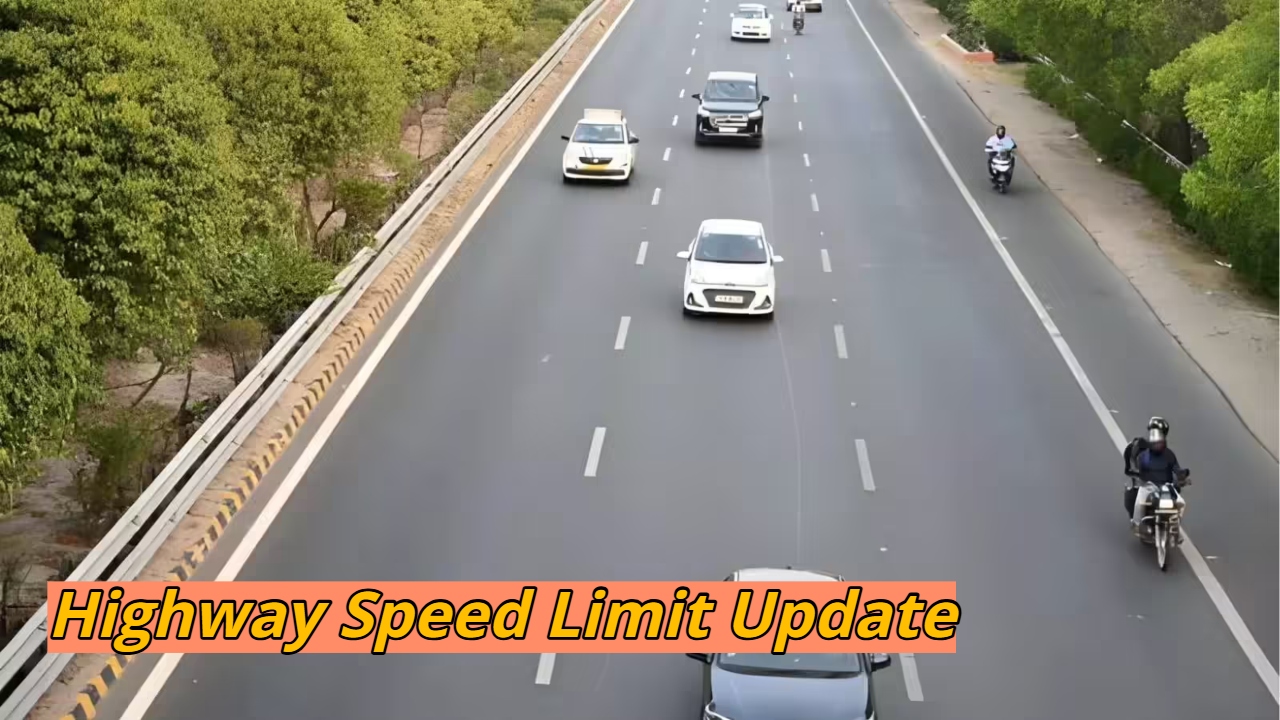
Highway Speed Limit Update: The Uttar Pradesh government has decided to implement new traffic rules for drivers traveling on the Yamuna Expressway and Noida-Greater Noida Expressway. Starting December 15th, the maximum speed of vehicles on both these highways will be reduced. This move is aimed at reducing accidents caused by fog, low visibility, and slippery roads during the winter season. Under the new system, drivers may face heavy fines for exceeding the prescribed speed limit.
Read Here: Weather Update – Heavy Rain & Snowfall Warning in These States, Issues Dense Fog Alert
What will the new speed limit be?
According to the new government rules, light vehicles such as cars and SUVs will now be allowed to operate at lower speeds on these expressways. The previous maximum speed limit of 100 kilometers per hour has now been reduced to 75 kilometers per hour. Separate limits have been set for heavy vehicles. The maximum speed limit for heavy vehicles like trucks and buses on the Yamuna Expressway will be 60 kilometers per hour, while the limit on the Noida-Greater Noida Expressway will be 50 kilometers per hour. This rule is expected to remain in effect for about two months.
Special Instructions for Commercial Vehicles
The police and traffic administration have instructed commercial vehicle drivers to exercise special caution. Failure to comply with the new speed limit could result in not only a fine but also vehicle seizure. Reflectors have been made mandatory for all commercial vehicles. Vehicles without reflectors will not be allowed to enter the expressway.
Read Here: Business Idea – These businesses will bring in big money in December, without much expense, know
Strict Vigilance on Overspeeding
Strict rules are already in place in Uttar Pradesh. Violating the speed limit carries a fine of 1,000 rupees for the first time, while the fine increases to 2,000 rupees for repeated violations. In major cities like Noida and Lucknow, the traffic system has been integrated with modern technology. Motion-triggered speed trap cameras have been installed, which record both the instantaneous and average speed of the vehicle. Failure to pay the challan on time may also affect vehicle registration and documentation-related services.
Latest News
- Gold Price Today – Check 24K, 22K & 18K Gold Updated Rates in City – Wise

- CUET UG 2026 Exam Postponed – May 28 Exam Cancelled, New Date Announced Soon at cuet.nta.nic.in

- Weather Warning Delhi-NCR – Rain Alert & Dust Storm in Next 2-3 Hours, IMD Issues Yellow Alert

- PM Kisan Samman Nidhi Yojana: नहीं मिल रही 2000 रुपये की किस्त तो किसान तुरंत करवा लें यह काम

- Aadhaar Card Update Rules – How Many Times Can You Change Address, DOB & Number?

- Train Ticket: How to book a confirmed train ticket without an agent? Learn the Easy Steps

- Indian Railways– 155 Trains Express Declared High-Speed, Thousands of Railway Staff to Benefit

- Monsoon Alert – Warning Heavy to Very Heavy Rain alert & thunderstorms in 22 States Over Next 4 Days

- America-Iran War: मिडिल ईस्ट में तनाव होगा खत्म! ईरान ने होर्मुज रास्ते पर कही बड़ी बात

- PM Surya Ghar Yojana 2026: Get Up to Rs 78,000 Subsidy within 6 Easy Steps, Know Here