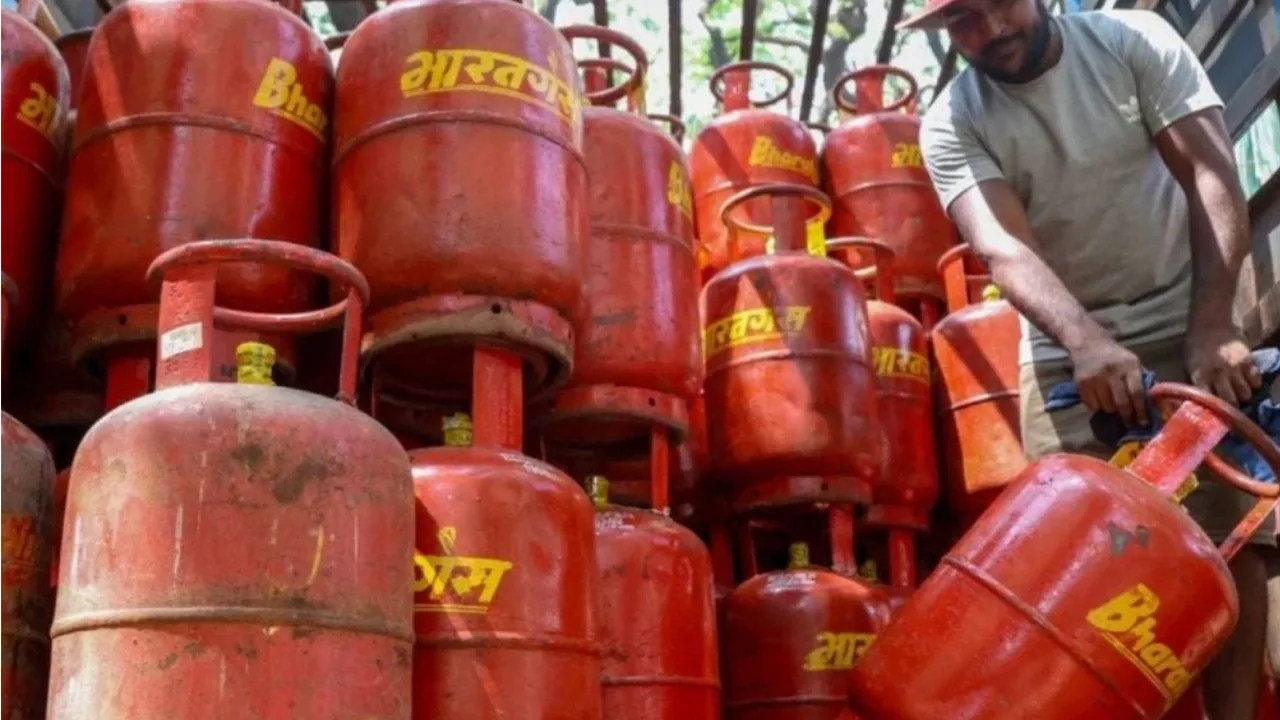
LPG new rules: Big news for LPG consumers. Last month, the government made a major change in the rules of LPG connection. The government has made the rules more strict. Due to which the connection of the customers can be terminated. We are talking about PNG and LPG connections.
According to the new rules, whoever has taken a PNG Connection. PNG supply is on in their area. All such people will have to surrender their LPG connection within 30 days. Suppose a person had taken a PNG connection on 6 June 2026. In such a situation, he will have to surrender the LPG connection by 6 July. That means, now LPG and PNG connection cannot be taken at the same address.
Changes in the regulations
The central government has released the LPG (Regulation of Supply and Distribution) Amendment Order 2026. According to this regulation, it is not possible to have both PNG and LPG connections at the same address. However, there is some positive news.
Voucher available for surrendering LPG connection
If an individual has a PNG connection, they are required to surrender it within 30 days. In exchange, they will be given an LPG voucher. This means that if they relocate to a different area where they do not have a PNG connection, they can obtain an LPG connection solely by using the voucher.
Increased strictness in government regulations
At present, the guidelines for ordering LPG gas cylinders have become significantly stricter. Residents in rural areas will be able to order a new cylinder only after a minimum of 45 days, while urban residents will have to wait at least 25 days. The government has also made the cylinder booking process more stringent. According to this rule, bookings cannot be made without a registered mobile number. When booking with the registered mobile number, an OTP will be sent. You must present this OTP to receive a new cylinder.
Domestic gas cylinder prices have remained stable for a long time. However, on June 1, commercial cylinder prices were increased by Rs 41 to Rs 45. Commercial LPG cylinder prices have been increased several times since the war began. However, domestic cylinder prices have remained unchanged since then.