Hyundai Creta EV Vs Car: These Powerful Cars to Rival Toyota Innova, Offer Great Features Too, Know More-maruti-cars-will-be-available-cheaper-complete-this-work-by-june-14-750807.html" class="tb-related-post-link" rel="bookmark">Maruti Suzuki: These Maruti Cars Will Be Available Cheaper, Complete This Work by June 14 Suzuki eVX : Electric SUVs in India are at peak popularity today, with major brands like Hyundai and Maruti Suzuki confronting one another head-on. In terms of sheer attention-getting value, the Hyundai Creta EV and the Maruti Suzuki eVX battery-operated SUV, set to roll out in 2025, will be in a class of their own. These two brands hold some promise in getting the customers to experience great tech, range, design, and features all the way out in the front of the EV lead market. With that said, let us take a look at the spec list of both cars and highlight some differing characteristics.
Design And External Appearance
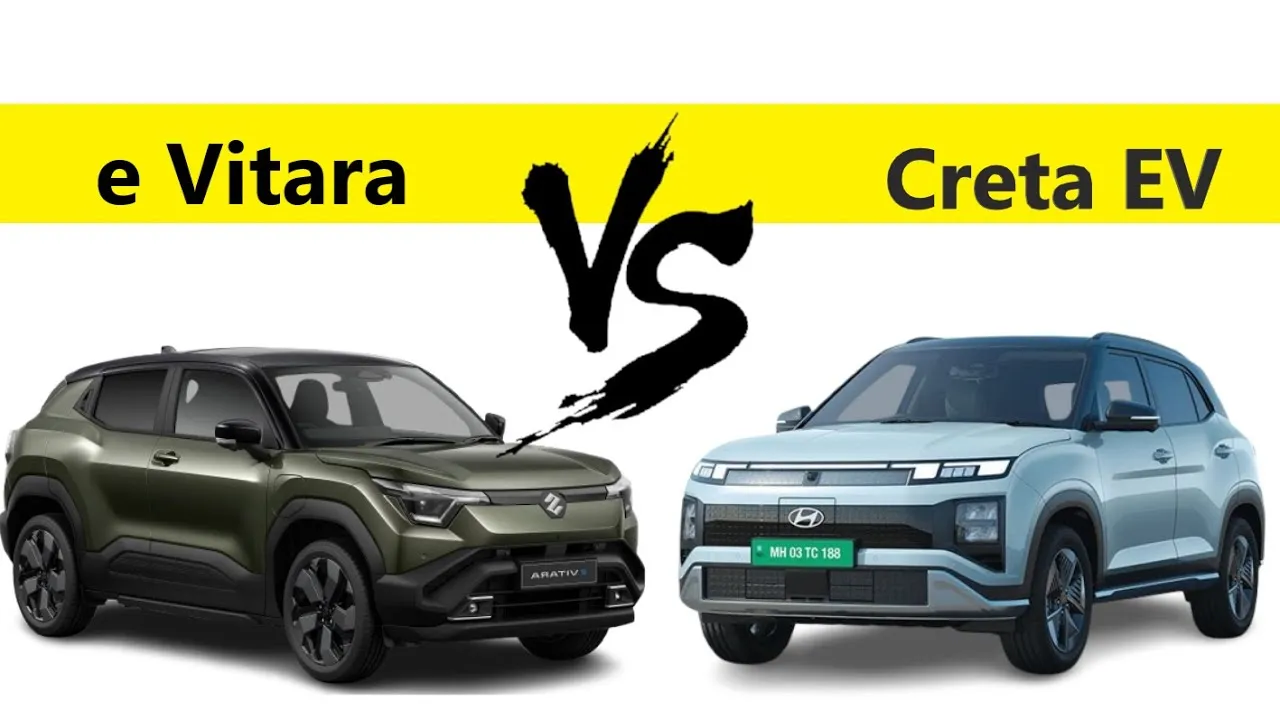
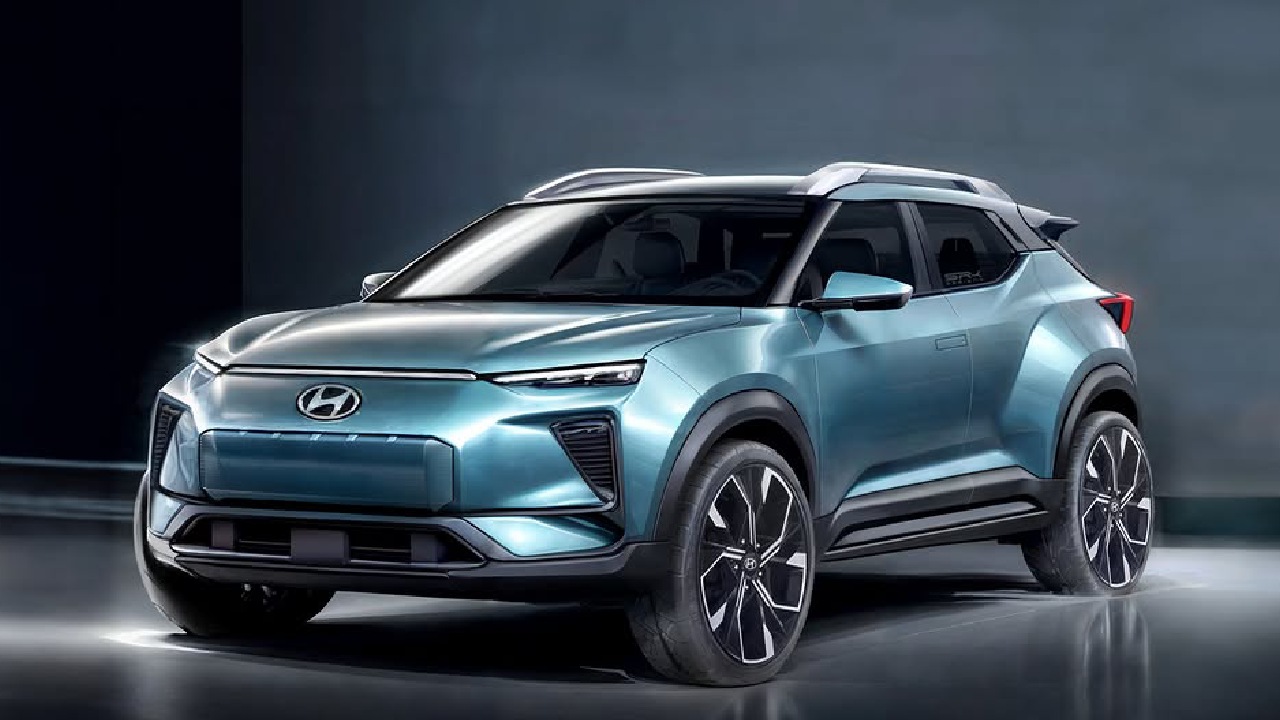
The design of the Hyundai Creta EV would more or less be the same as the ICE (petrol-diesel) version, albeit with some changes bespoke for EV use: a shut front grille, new LED DRLs, and much aerodynamically inclined alloy wheels. From the silhouette, it gets modern urban styling with a signature uplift in the design language to say ‘premium. The Maruti Suzuki eVX is futuristic in appearance and, thus, would be constructed from scratch on a fully new dedicated EV platform. The eVX catches the attention with its slender figure, characterized by the LED headlamps, sculpted bonnet, and bold stance- Definitely conspicuous on the road. One very cool compact design.
Interior And Comfort
Expect a more or less familiar cabin with some updates in the Creta EV. A vintage design of imagined reality courtesy of Hyundai- big touchscreen infotainment system, fully digital instrument cluster, soft-touch surfaces, along with ventilated seats, wireless charging, and, why not, even a panoramic sunroof?
Minimalism imbued with technology. Expect a twisty take on a floating centre display layout with a dual screen interface, a flat-bottom steering wheel, and probably the ambient lighting could be a trick. Maruti too might display some green sentiments by incorporating eco-friendly materials in the interior.
 Battery Power And Range
 Battery Power And Range
Overall hunch is that the Hyundai Creta EV may pack in a battery of approximately 45 kWh potential for a certified range of about 400-450 km; single motor in front-wheel drive configuration, and others supporting fast charging.
The Maruti eVX, on the other hand, would almost definitely come with a bigger and better 60 kWh battery, bordering on an exhilarating range of over 500 km. There could even be some dual-motor variant on sale, as this might just tip in favour of power delivery. The eVX is more than capable, besides being right on the money as far as range usability is concerned.
Technology And Safety Features
The Hyundai Creta EV is making a statement with a slew of advanced tech: Level 2 ADAS, 360-degree camera view, blind-spot detection, and a regenerative braking system. Hyundai’s BlueLink connected car technologies add even more value to the automobile, offering users remote access, monitoring vehicle health, and location tracking.
Surely, Maruti has kept all sorts of fancy tech going board the eVX. OTA update capability with ADAS support, connectivity features, and AI-enabled voice commands are just some of the expectations, while the safety basic setup includes multiple airbags, ESP, and traction control.
Pricing And Launch Timeline
The expected price for the Hyundai Creta EV would be placed somewhere around ₹22 lakh-₹27 lakh, while the Maruti eVX should cost somewhere between ₹25 lakh and ₹30 lakh. The Creta EV is anticipated to hit showrooms in early 2025, while the eVX is expected to roll off the assembly line by mid-2025.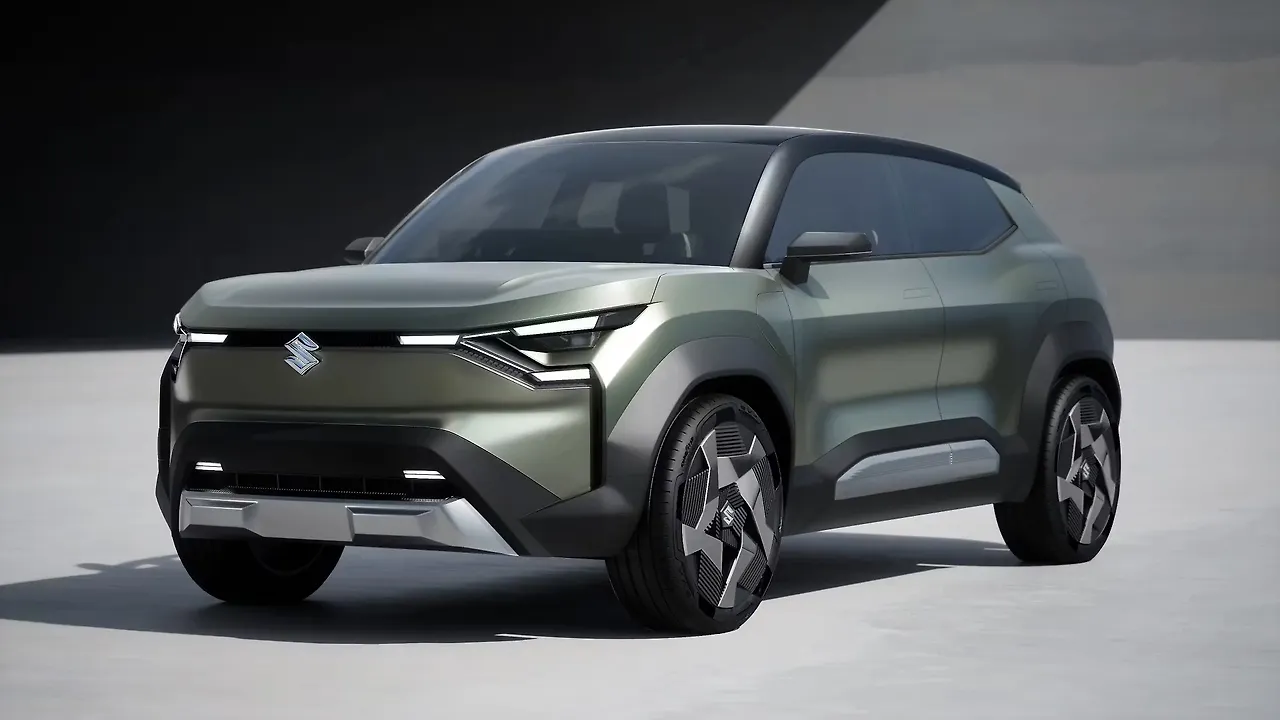
Which is a Better Electric SUV?
The Hyundai Creta EV will be a 100% safe and secure choice for those wishing for an EV offering practicality, which works overtime for practically anything that they ever need. Hence, suited for family comfort, reliability, and performance. Maruti Suzuki eVX, on the other hand, really has guts and a fabulous futuristic look, which will definitely charm next-gen customers with long ranges, state-of-the-art design, and technological advances. So in short, Creta EV stands for reliability and practicality, while eVX stands for avant-garde innovations in today’s electric mobility ecosystem. The big picture here is that both these SUVs are going to redefine the trajectory of India’s electric future.