
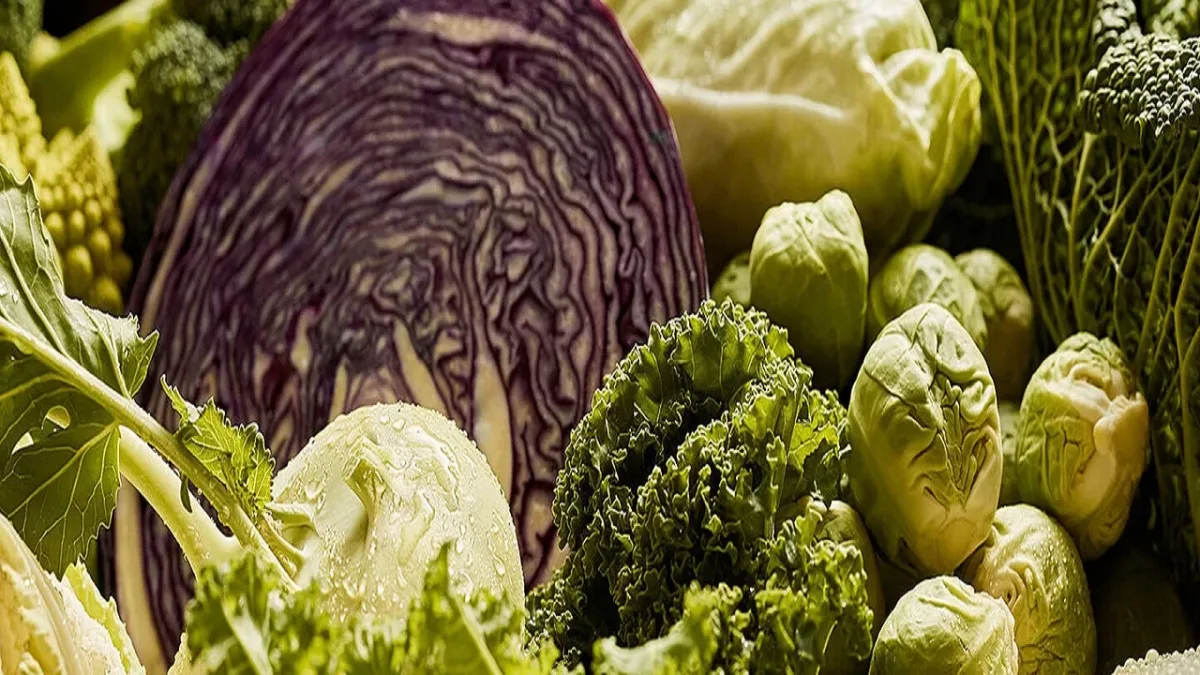
Whether it’s pointed cabbage, kale, savoy cabbage, or Brussels sprouts, cabbage is considered a mineral and vitamin bomb – and rightly so. The mix of vitamins, secondary plant substances, minerals such as calcium, potassium, iron, and other trace elements makes cabbage so healthy, but it is in different compositions depending on the type of cabbage. No matter which type you like best: cabbage is always the right choice if you want to eat a balanced diet.
When it comes to the vitamin C content of cabbage varieties, broccoli , kale and Brussels sprouts are number one. They each provide over 100 milligrams of the essential vitamin per 100 grams of raw vegetables. This covers an adult’s daily requirement.
The so-called mustard oil glycosides are responsible for the sharp, sometimes bitter taste. These secondary plant substances not only give mustard its name but are also found in cress and rocket. The body can convert them into substances that are said to have anti-cancer properties.
| Cabbage variety | Dietary fiber* | Vitamin C | potassium | Calcium | iron |
|---|---|---|---|---|---|
| Chinese cabbage | 1700mg | 26mg | 144mg | 40mg | 0.60mg |
| Kale | 4200mg | 105mg | 490mg | 212mg | 1.90mg |
| Brussels sprouts | 4400mg | 112mg | 471mg | 31mg | 1.1mg |
| Red cabbage | 2500mg | 50mg | 267mg | 35mg | 0.5mg |
| Pointed cabbage | 2500mg | 60mg | 249mg | 50mg | 0.50mg |
| White cabbage | 3000mg | 47mg | 255mg | 45mg | 0.5mg |
| savoy | 2500mg | 49.4mg | 236mg | 64mg | 0.55mg |
What is the best way to prepare cabbage?
Cabbage goes well with meat and fish, but it also tastes great in vegetarian dishes such as Asian curries or cabbage lasagne. Broccoli, kohlrabi, cauliflower, and Brussels sprouts are popular for gratinating. The leaves of savoy cabbage, pointed cabbage, and white cabbage are ideal for cabbage rolls. White cabbage makes a quick vegetable side dish: simply chop it up and fry briefly with a little oil.
How to make cabbage more digestible
Cabbage has a flatulent effect. Eating caraway after a meal can help, as can anise or fennel tea. Pointed cabbage, pak choi, kohlrabi, and broccoli are particularly easy to digest.
Can you eat the stalk of cabbage?
You don’t have to throw away the leaves of white, red, green, pointed and Chinese cabbage, or savoy cabbage. They taste amazingly good and are also rich in healthy nutrients. With broccoli, cauliflower and Romanesco, you can use the stalks for soups, gratins or puree .
Recipe tip: Cabbage soup
A stew with white cabbage warms you up on cold winter days. For the vegetarian version, simply make the broth with soup vegetables instead of beef.
Ingredients
- 1 ½lWater
- 400Gmarbled beef
- 1branchthyme
- 1branchfresh marjoram
- 0 ½PieceWhite cabbage
- 200Gpotatoes
- 200GCeleriac
- 1carrot
- 1Onion
- 1clove of garlic
- 50mlcream
- 1Sheetlaurel
- 3Peppercorns
- 1teaspoonMustard seeds
- 2Cloves
- 0 ½teaspoonCaraway seeds
- 0 ½teaspoonSoy sauce
- 1tablespoonApple cider vinegar
- 0 ½FederalParsley
- 1prizeSalt
- 1prizepepper
preparation
- Cut the beef into bite-sized pieces.
- Place the meat in cold water and bring to a boil. When the stock boils, skim off the foam.
- Add the spices, preferably in a herb bag. Let the meat broth simmer for an hour and a half.
- Meanwhile, prepare the cabbage: Remove any wilted outer leaves and wash the cabbage head under running water – this is enough because the individual layers are tightly closed. Quarter the head and remove the hard stalk in a wedge shape. Then cut the quarters into pieces.
- Peel and dice the potatoes, celery, onions and garlic. Slice the carrots and leeks and chop the parsley.
- Add the vegetables (except the parsley) to the broth and let the soup cook for another 30 minutes. Stir in the cream just before serving. Finally, sprinkle the dish with chopped parsley.
Latest News
- Vivo Y600 Turbo Set to Debut: Featuring a 165Hz Display, Dimensity 8500, and a Massive 9,020mAh Battery

- HMD Vibe 2 5G Debuts in India with 6000mAh Battery & 50MP Camera: Get It For Just ₹9,499 With Launch Offers

- 8th Pay Commission लागू होते ही कितना हो जाएगा फिटमेंट फैक्टर, चेक करें अपडेट
- Oppo Find X9 Ultra Launched in India: Check Reliance Digital Price, Bank Offers, and Flagship Specs

- Electricity Bill Saving– How to Save Power During Summer Heat? Here Are the Few Tips

- Gold-Silver Rate – Gold ₹44,396 per 10 grams & Silver ₹1,85,462 per kg cheaper from the Peak

- US Green Card Rule Change, Know Before Apply

- PM Surya Ghar Scheme: खूब चलाएं एसी और कूलर, नहीं देना होगा बिल, जल्द कराएं यह काम

- ITR Filing Before May 31? You May Get Notice

- Women Free Bus Travel Scheme – How to Get Free Bus Travel From June 1, 2026? How to Apply