

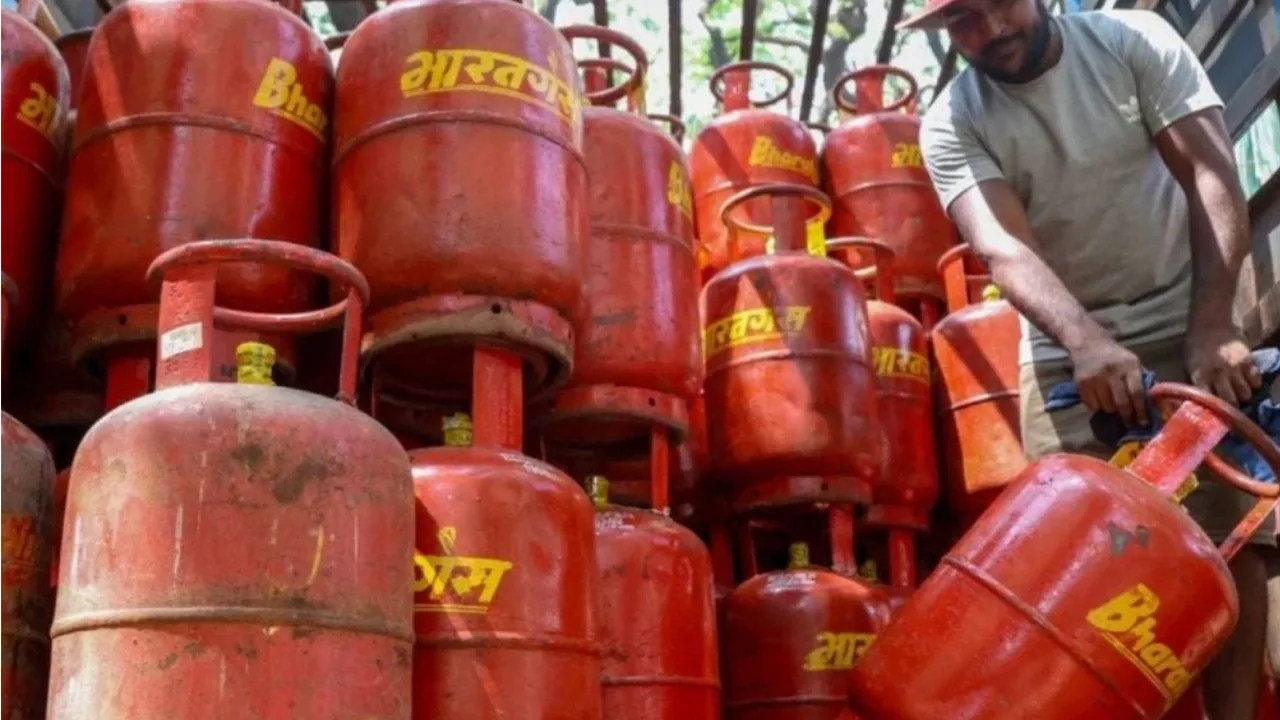
LPG Crisis: Tensions between Iran and the United States have once again intensified. In light of this situation, the Narendra Modi administration has taken decisive action. The Ministry of Petroleum and Natural Gas has instructed state-owned oil marketing firms to ensure they have a minimum of 30 days’ worth of LPG reserves.
Sujata Sharma, the Joint Secretary in the Petroleum Ministry, stated, “We are actively managing oil and gas reserves. Oil companies have been directed to keep at least 30 days of LPG reserves, and they are currently working on this. We are also focusing on crude oil reserves.” She mentioned that the demand for LPG has decreased to 72,000 metric tons from the earlier 80,000 metric tons, while Indian refineries are producing 52,000 metric tons of LPG.
How is production being ramped up?
Sujata Sharma explained that the increase in LPG production relies on optimizations within the refineries. She noted that production balance is also achieved through the utilization of C3 and C4 molecules. Some refineries have resumed operations, which has enhanced supply. Furthermore, optimization initiatives by various refiners have boosted LPG availability. According to Sujata Sharma, seasonal variations affect LPG demand, resulting in consumption volatility.
What daily losses are oil companies facing?
Addressing worries about rising petrol and diesel prices, Sujata Sharma mentioned that oil and diesel companies are currently facing losses of Rs 550 crore each day due to the surge in international crude oil prices. In the latest petrol price hike, which marks the fourth increase in ten days, retailers have raised petrol prices by Rs 2.61 per litre and diesel by Rs 2.71 per litre.
With this adjustment, the overall price of petrol and diesel has climbed to around Rs 7.5 per liter. Government data indicates that the average price at which refiners import oil increased to $106.83 in May, up from $69.01 in February, prior to the onset of the war. The government has urged states to establish special enforcement teams to combat fuel hoarding, black marketing, illegal storage, and misappropriation.




No comments yet. Be the first to share your thoughts!