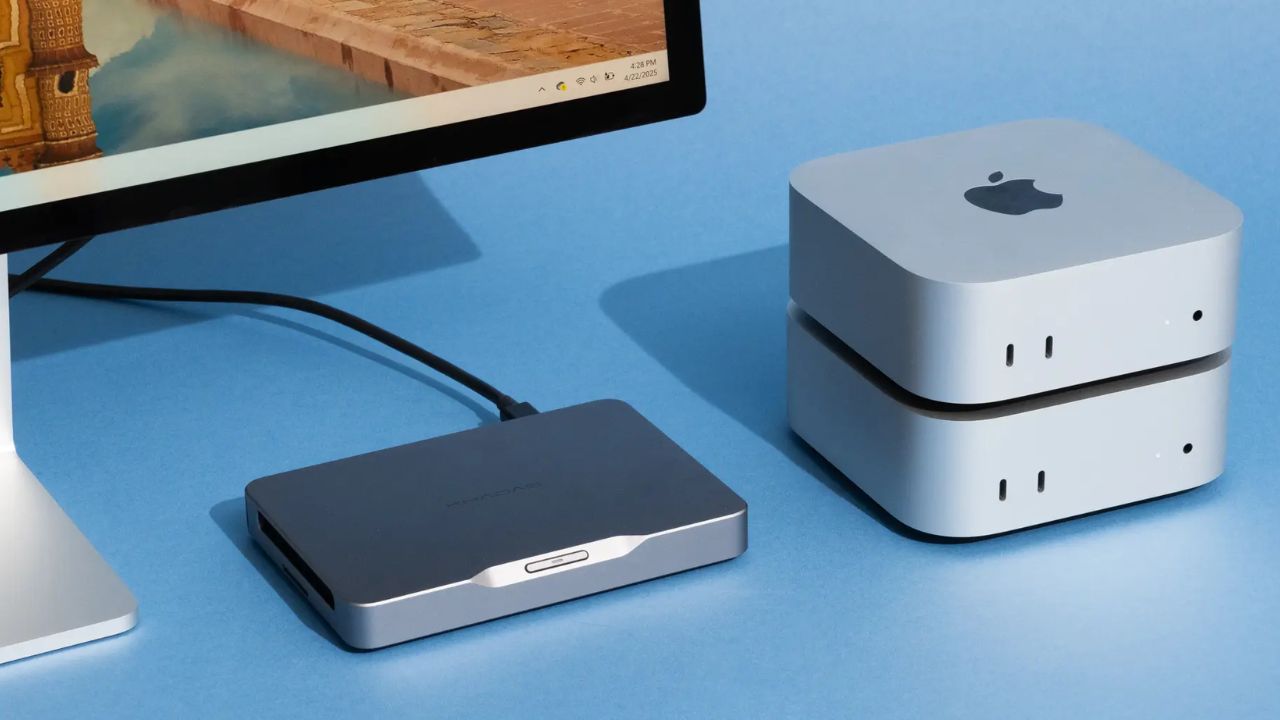
Mini-PC: Mini-PCs have been in the limelight of late, as many users want clean desks, quieter setups, and devices that occupy no huge space. Their growing demand essentially gives a hint about how users now prefer compact machines that can handle daily work without stress. These small machines also fit well in homes and offices where every inch counts, making them a smart pick for those looking for something simpler and quicker to set up.
Space and Portability
Mini-PCs are a hit mainly because they require very little space, yet they work efficiently. Their compact bodies make them fit for small rooms, tiny desks, and modern minimalist setups. They are light enough to move comfortably, which helps a great deal when shifting rooms or even just rearranging your workspace. These devices offer a mix of portability and power that’s just about right for everyday use.
Energy Efficiency
Generally, mini-PCs consume less energy compared to big desktops. They minimise electricity bills and produce less heat, thus maintaining a cool environment. They also contribute less to environmental impact, and that is a plus for users who like switching to energy-saving devices.
Performance and Versatility
Modern mini-PCs handle more tasks than ever. They work well during office work, browsing, meetings, and content creation. Some high-end models can even manage gaming with impressive stability. They run standard components, which makes them flexible for different workloads. Although extremely heavy CPU-GPU use together can reduce efficiency, the overall performance remains strong for most users.
Quiet Operation
Mini-PCs are quiet machines because of their compact engineering. For bedrooms, offices, libraries, or shared spaces, many users prefer silent machines. This quiet nature makes them more comfortable compared to larger desktops, especially when one is working for long hours or going late into the night.
Connectivity Options
Advanced connectivity choices among mini-PCs include USB-C, Thunderbolt, Wi-Fi 6, and multiple display ports. These allow users to easily connect their accessories, monitors, and storage devices. Strong connectivity further makes them reliable for multitasking and professional setups.
Business and Industry Adoption
A lot of companies now rely on mini-PCs because they reduce desk clutter and deliver consistent performance. They find their applications in digital signboards, industrial systems, and healthcare equipment because they can handle challenging conditions and save valuable space. Their durability makes them suitable for long-term use across industries.
Market Growth
Mini-PC sales are on the rise, while traditional desktop sales fall. This indicates how users are leaning towards compact computing. A further testament to this growing market is how these small machines now satisfy both personal and professional needs, pointing toward a future where mini-PCs may replace desktops in many homes and businesses.
Conclusion
Mini-PCs boast a great balance between compact sizes, powerful performance, low power consumption, and quiet operation. The increasing usage in both homes and offices proves that they are already considered a feasible option for replacement over big desktops. With rapid market growth and continuous innovation, mini-PCs present themselves as the future of everyday computing.