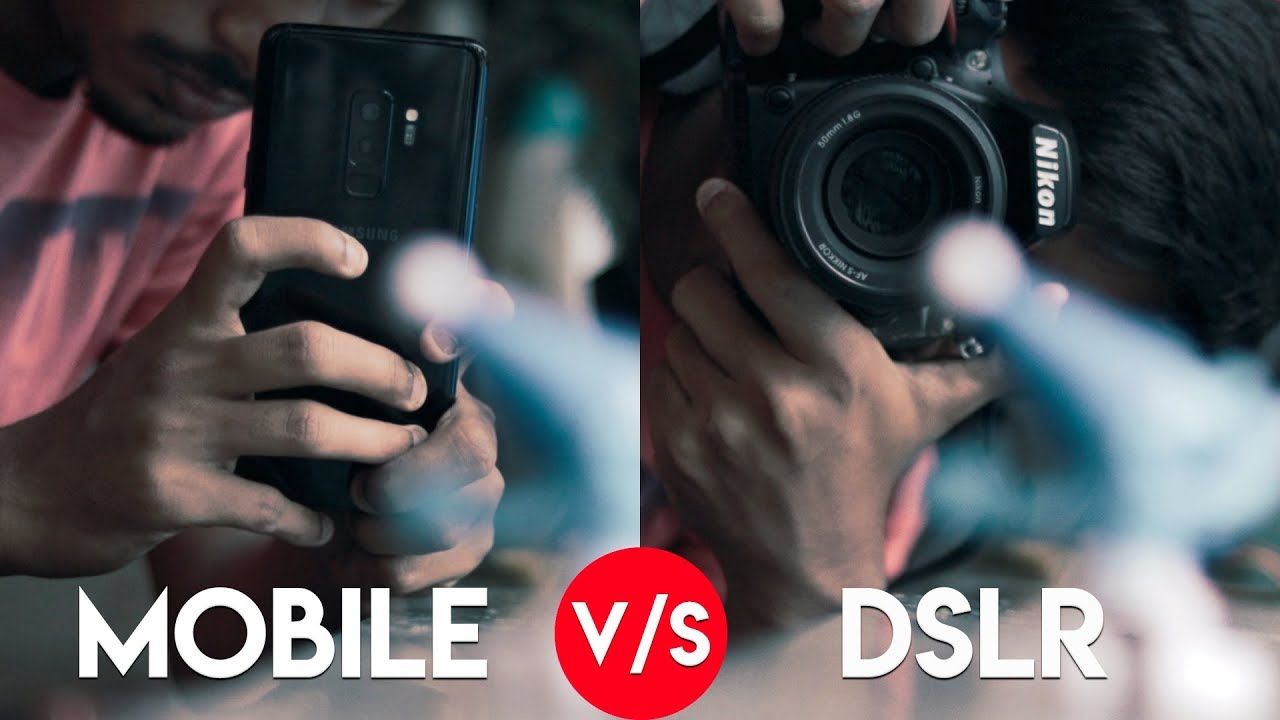
Smartphone AI vs DSLR: Many today depend on smartphones for impromptu photography, and AI makes the results look impressive with almost no effort. This creates a debate about whether DSLRs still matter. Both have strengths, and both serve different types of users. The following comparison will help one understand how AI Image Processing in smartphones stacks up against DSLR cameras.
How Smartphone AI Tries to Match DSLR Quality
They overcome hardware limits imposed by small sensors and compact lenses with the use of AI and Computational Photography. Multi-frame fusion allows phones to shoot many photos in a single click and then combine them into a single shot with every detail possible. It increases clarity, reduces noise, and enhances dynamic range. A lot of users like bright night photos; AI stitches the frames intelligently.
AI Scene Optimisation on Smartphones
AI in phones automatically detects scenes to adjust exposure, colours, and contrast to suit food, sky, portraits, or landscapes. That makes it quite easy for beginners to click professional-looking shots without changing settings manually. This is one reason smartphone photos often look punchy and social-media-ready straight out of the camera.
Portrait Mode And Synthetic Background Blur
Portrait mode calculates depth using AI, creating a depth map to blur backgrounds and thus achieve DSLR bokeh. Even though the blur is artificial, the results come out clean for everyday photography. Users who love portraits find this very helpful because shots appear sharp and stylish with no effort.
AI Super-Resolution Zoom On Smartphones
Phones use AI algorithms to improve digital zoom, too. This produces sharper pictures in telephoto shots without the attachment of optical lenses. It’s still a far cry from DSLR optical zoom, but it’s sufficient to help users capture distant subjects in a useful way. To travellers and casual photographers, this feature will add great convenience.
Advantages of Smartphone Workflow
Smartphones offer instant image review and quick editing. AI removes unwanted objects and enhances photos automatically. Sharing of content becomes fast with cloud storage and social media. In this very smooth workflow, phones take a significant advantage for people who value speed and simplicity.
Why DSLR Cameras Still Hold Strong
DSLR cameras dominate professional photography because they have larger sensors that capture more light and detail. That matters in low-light scenes and large prints. Creative control is also provided by interchangeable lenses, something no smartphone can match. Predictable results are important manual settings are essential for paid projects.
Ergonomics and battery life of DSLRs
The DSLR bodies are better at handling long shooting sessions. Comfortable grips and large batteries help photographers shoot for hours. Swappable batteries are useful during events or outdoor shoots. Smartphones drain faster since they perform many tasks beyond photography.
Conclusion
With AI, smartphones bridge the gaps quite quickly and cater perfectly to casual users. DSLRs still offer professional control and image quality that’s unmatched. Both grow in their own spaces to create a future where AI convenience meets traditional power.