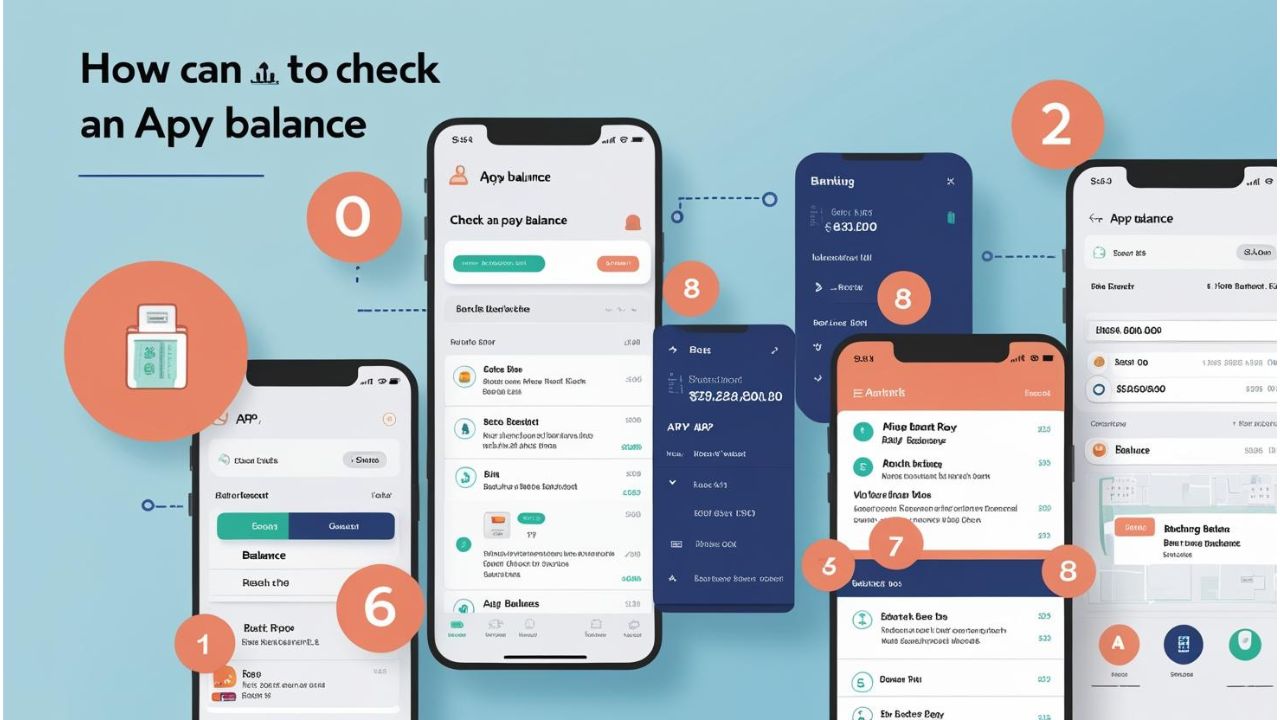
In today’s fast-evolving financial landscape, keeping track of your Annual Percentage Yield (APY) balance is crucial for maximizing your savings and investments. Whether you’re staking crypto, using a high-yield savings account, or participating in DeFi protocols, knowing how to check your APY balance ensures you stay informed about your earnings.
This guide will walk you through the best methods to check your APY balance across different platforms, including banks, crypto wallets, and DeFi apps. We’ll also answer common questions and provide expert tips to help you manage your yields effectively.
What is APY and Why Does It Matter?
Before diving into how to check your APY balance, let’s quickly recap what APY means.
-
APY (Annual Percentage Yield): This is the real rate of return on your investment or savings, accounting for compound interest over a year. Unlike simple interest, APY includes the effect of compounding, making it a more accurate measure of earnings.
-
Where APY Applies:
-
Bank Savings Accounts (e.g., HDFC, SBI, ICICI)
-
Crypto Staking (e.g., Ethereum, Solana, Cardano)
-
DeFi Platforms (e.g., Aave, Compound, Lido Finance)
-
Understanding your APY helps you compare different investment options and optimize returns.
How to Check APY Balance in Different Platforms
1. Checking APY in Traditional Bank Accounts
Most banks display APY directly in your account dashboard. Here’s how to find it:
-
Step 1: Log in to your net banking or mobile banking app (e.g., SBI Yono, HDFC NetBanking).
-
Step 2: Navigate to your savings or fixed deposit account.
-
Step 3: Look for “Interest Details” or “Account Summary”—APY is usually mentioned here.
-
Step 4: If not visible, check the bank’s official website or contact customer care.
Pro Tip: Some banks update APY quarterly, so always verify the latest rates.
2. Checking APY in Crypto Staking (Binance, Coinbase, etc.)
If you’re staking cryptocurrencies, APY fluctuates based on network demand. Here’s how to check:
-
Step 1: Open your exchange app (e.g., Binance, Coinbase, WazirX).
-
Step 2: Go to the “Earn” or “Staking” section.
-
Step 3: Select your staked asset (e.g., ETH, ADA, SOL).
-
Step 4: The current APY will be displayed along with estimated rewards.
Example: On Binance, staking Ethereum might show an APY of 5-7%, while newer coins could offer higher rates.
3. Checking APY in DeFi Platforms (Aave, Lido, etc.)
Decentralized Finance (DeFi) platforms offer dynamic APYs. To check:
-
Step 1: Connect your wallet (MetaMask, Trust Wallet) to the DeFi platform.
-
Step 2: Navigate to the “Pool” or “Staking” section.
-
Step 3: Select your deposited asset—APY is usually shown in real-time.
-
Step 4: Use blockchain explorers like Etherscan to verify transactions if needed.
Note: DeFi APYs change frequently due to market conditions, so monitor regularly.
People Also Ask: Common Questions About APY Balance
Q1. How often does APY change?
APY can change based on:
-
Bank policies (revised quarterly or annually).
-
Crypto market conditions (staking demand affects rewards).
-
DeFi protocols (algorithmic adjustments based on liquidity).
Q2. Is APY the same as APR?
No!
-
APY includes compound interest.
-
APR (Annual Percentage Rate) does not factor in compounding.
Q3. Why is my APY balance not updating?
Possible reasons:
-
Pending transactions (banks may take 1-2 days).
-
Network congestion (in crypto/DeFi).
-
Platform-specific delays (check official announcements).
Q4. How can I maximize my APY earnings?
-
Compare rates across banks and DeFi platforms.
-
Reinvest rewards for compounding benefits.
-
Stay updated on new high-yield opportunities.
Expert Tips for Managing APY Effectively
-
Automate Tracking: Use apps like Mint or Blockfolio to monitor APY across accounts.
-
Diversify Investments: Split funds between stable APY (banks) and high-risk, high-reward (DeFi) options.
-
Watch for Fees: Some platforms charge withdrawal fees that can eat into profits.
-
Stay Secure: Avoid phishing scams—always use official apps/websites to check balances.
Conclusion
Knowing how to check your APY balance is essential for smart financial management. Whether you’re using traditional banks, crypto staking, or DeFi platforms, staying informed helps you maximize returns.
By following the steps in this guide, you can easily track your APY, compare rates, and make data-driven investment decisions. Start monitoring your yields today and take control of your financial growth!
Got questions? Drop them in the comments—we’d love to help!
Latest News
- Maruti Dzire CNG Continues Dominance – Fuel Efficient Sedan Wins Indian Families

- Vivo Y600 Turbo Set to Debut: Featuring a 165Hz Display, Dimensity 8500, and a Massive 9,020mAh Battery

- HMD Vibe 2 5G Debuts in India with 6000mAh Battery & 50MP Camera: Get It For Just ₹9,499 With Launch Offers

- 8th Pay Commission लागू होते ही कितना हो जाएगा फिटमेंट फैक्टर, चेक करें अपडेट

- Oppo Find X9 Ultra Launched in India: Check Reliance Digital Price, Bank Offers, and Flagship Specs

- Electricity Bill Saving– How to Save Power During Summer Heat? Here Are the Few Tips

- Gold-Silver Rate – Gold ₹44,396 per 10 grams & Silver ₹1,85,462 per kg cheaper from the Peak

- US Green Card Rule Change, Know Before Apply

- PM Surya Ghar Scheme: खूब चलाएं एसी और कूलर, नहीं देना होगा बिल, जल्द कराएं यह काम

- ITR Filing Before May 31? You May Get Notice