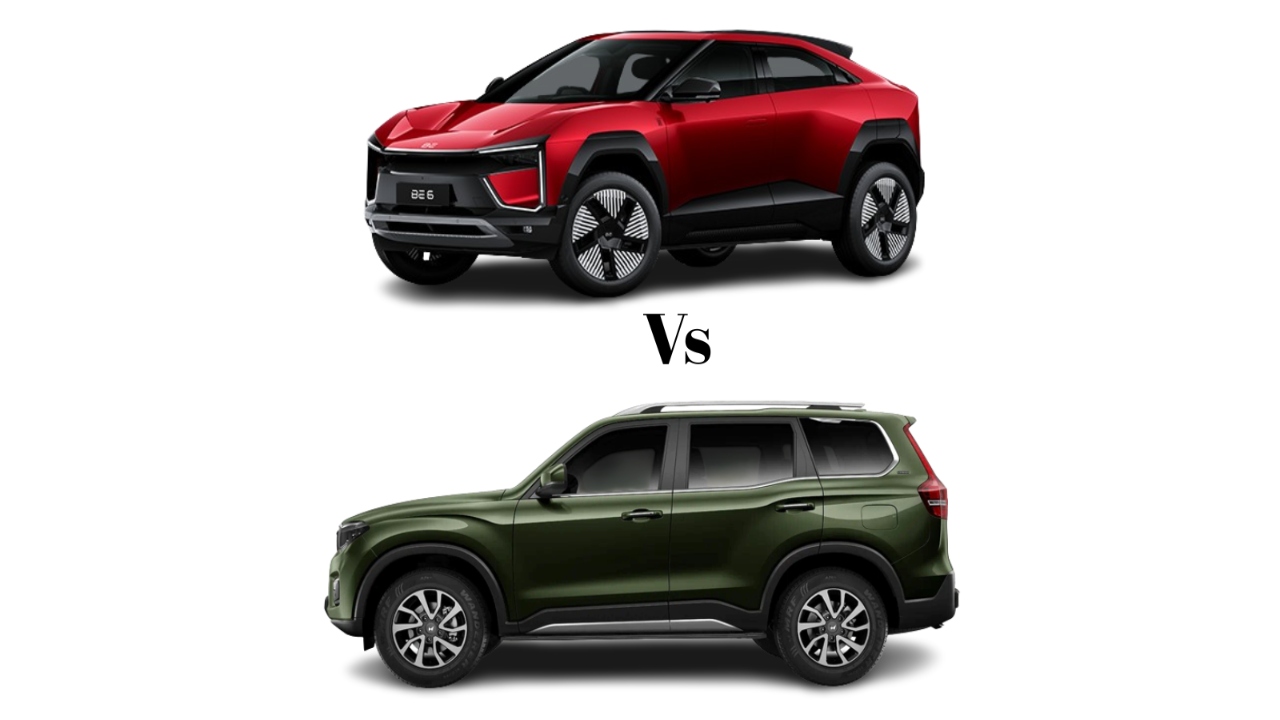
The SUV segment is undergoing a fundamental transformation. While traditional internal combustion engine (ICE) SUVs continue to attract buyers who value ruggedness and mechanical reliability, electric SUVs are reshaping expectations around performance, technology, and sustainability. The Mahindra Scorpio N and the Mahindra BE 6 represent these two contrasting philosophies within the same brand portfolio.
Rather than competing directly, these SUVs highlight how buyer priorities are evolving — from body-on-frame toughness to software-driven electric innovation.
Platform and Engineering Philosophy
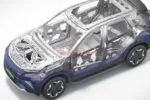
The Mahindra Scorpio N is built on a next-generation body-on-frame platform, engineered for strength, durability, and off-road capability. This ladder-frame structure offers improved torsional rigidity and is paired with rear-wheel drive and optional 4XPLOR intelligent 4WD system, reinforcing its traditional SUV credentials.
In contrast, the Mahindra BE 6 is underpinned by the INGLO Electric Origin Architecture, a dedicated EV platform integrating the battery, motor, suspension, and electronics into a unified structure. This skateboard-style architecture supports advanced components, including multi-link independent rear suspension, brake-by-wire, and intelligent adaptive dampers, reflecting a clean-sheet approach to electric mobility.
Powertrain: Combustion vs Electric Performance
The Scorpio N offers multiple ICE powertrains, including the 2.0-litre mStallion turbo-petrol and 2.2-litre mHawk diesel engines, delivering up to 149.14 kW of power and 400 Nm of torque. These engines are paired with 6-speed manual and automatic transmissions, providing predictable performance across highways and off-road terrain.
The Mahindra BE 6, by contrast, is powered by a high-output electric motor producing up to 210 kW and 380 Nm of torque, enabling 0–100 km/h acceleration in 6.7 seconds. It is offered with 59 kWh and 79 kWh battery options, delivering a certified range of up to 683 km (MIDC) and a claimed real-world range of over 500 km under urban driving conditions.
This highlights a shift from mechanical torque delivery to instant electric acceleration.
Driving Experience and Use Case
The Scorpio N is designed for varied terrain and long-term durability. Features such as high command seating, 205+ mm ground clearance, frequency-dependent damping, and off-road terrain modes (Snow, Mud & Ruts, Sand) make it suitable for rural roads, highways, and off-road environments.
The BE 6 focuses on on-road performance and refinement. Some of its highlights include rear-wheel drive, single-pedal driving, adaptive regeneration, and intelligent adaptive suspension that adjusts damping every 15 milliseconds. A 10-metre turning circle improves manoeuvrability despite its wide stance.
Interior and Technology Focus
Inside the Scorpio N, the emphasis is on comfort combined with rugged practicality. It comes with features such as ventilated front seats, dual-zone automatic climate control, a Sony 12-speaker 3D immersive audio system, and Adrenox connected technology with Alexa integration.
The BE 6 takes a more futuristic approach. It features a race-ready digital cockpit, dual 12.3-inch screens, and the MAIA high-performance computing system, powered by a Snapdragon chipset delivering 51 TOPS of processing power. The BE 6 also offers OTA updates for infotainment, vehicle features, and the e-powertrain, making it a software-defined vehicle.
Safety and Driver Assistance
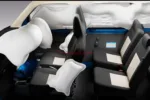
Safety philosophies also differ between the two SUVs. The Scorpio N offers six airbags, electronic stability control, and Level 2 ADAS in higher variants, including adaptive cruise control, lane keep assist, and automatic emergency braking, supporting long-distance and highway driving.
The BE 6 advances this further with seven airbags, Level 2+ ADAS, five radars, 12 ultrasonic sensors, and features such as autonomous emergency steering, blind-spot detection, and Secure360 surveillance, positioning it as a technology-led benchmark in safety.
Practicality and Ownership Considerations
The Scorpio N offers flexibility with 6 and 7-seat configurations, a 57-litre fuel tank, and a boot capacity of up to 786 litres with the seats folded, making it suitable for family travel and utility use.
The BE 6 offers a different kind of practicality, with 455 litres of boot space, a 45-litre frunk, gesture-controlled power tailgate, and fast DC charging (20–80% in ~20 minutes), catering to urban and inter-city EV usage.
Which SUV Suits Which Buyer?
- The Mahindra Scorpio N appeals to buyers who value traditional SUV toughness, diesel or petrol power, off-road capability, and long-term mechanical reliability.
- The Mahindra BE 6 is better suited to buyers seeking cutting-edge technology, electric performance, software-driven features, and future-ready mobility.
Conclusion
The Mahindra Scorpio N and Mahindra BE 6 illustrate two distinct directions within the SUV market. The Scorpio N reinforces the enduring appeal of traditional body-on-frame SUVs built for strength and versatility, while the BE 6 represents a shift towards electric innovation, digital intelligence, and performance-focused EV design.
Rather than replacing one another, these SUVs reflect how buyer expectations are diversifying — allowing consumers to choose between proven mechanical strength and forward-looking electric sophistication based on their lifestyle and priorities.