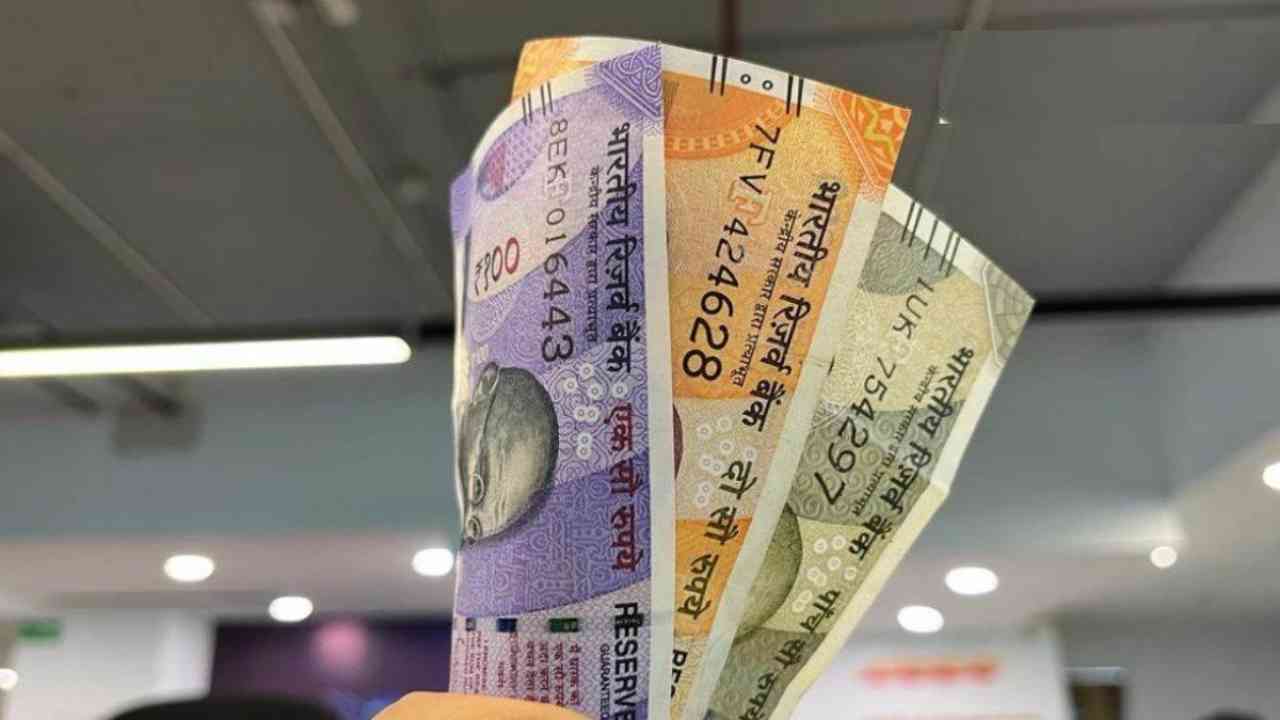
Zero Bank Syndrome: Have you ever wondered why, despite having a substantial salary, money doesn’t accumulate in your bank account? Many people even end up with a zero bank balance. Some can save money even on a small salary, while others cannot save money even with a salary of 50,000. Why is this so? Let’s find out.
Earning Rs 50,000 a month is impressive, yet many people find themselves saving very little by the month’s end. In some cases, they can’t save anything at all. This phenomenon is referred to as “zero savings salary syndrome.” It’s becoming more common due to increasing costs, poor financial habits, and lifestyle demands.
“Zero Savings Salary Syndrome” describes a situation where an individual, despite having a reasonable income, struggles to save. Sometimes, the situation gets so bad that they end up spending their entire salary by month’s end, leading them to borrow money from others. This isn’t about having a low income; it’s more about ineffective management and misplaced spending priorities.
What is ‘Zero Savings Syndrome’?
As people earn more, they tend to increase their lifestyle costs and indulge in extravagance. Many fail to keep track of their spending. The “Buy Now, Pay Later” (BPNL) mentality encourages purchasing expensive items on credit without proper consideration.
Lack of emergency funds – Without savings for unexpected expenses, individuals often find themselves borrowing repeatedly.
Understand the 50-30-20 formula
The 50-30-20 budgeting rule is a straightforward yet powerful way to handle finances. This approach splits your income into three segments:
From a Rs 50,000 salary, 50% or Rs 25,000 should go towards essential expenses. These are unavoidable costs like rent/EMI, groceries, utility bills, school fees for kids, necessary medications, and the minimum salary. If your expenses go beyond Rs 25,000, it’s time to reassess your lifestyle choices. Allocate 30% of your salary, which is Rs 15,000, for lifestyle and leisure activities. This covers entertainment, dining out, travel, and other lifestyle expenses. If funds are tight one month, this is an area where you can cut back.
Set aside 20% of your salary, or Rs 10,000, for savings and investments. By being strict about this, you can ensure that savings remain your top priority. To do this, withdraw the first Rs 10,000 as soon as your salary arrives or set up auto-debit. Manage the remaining Rs 40,000 using the formula described above.
Latest News
- DA Hike Update: इन कर्मचारियों की लगी लॉटरी, डीए में 5 फीसदी की बढ़ोतरी, जानें अपडेट

- Gold Price Today – Check 24K, 22K & 18K Gold Updated Rates in City – Wise

- CUET UG 2026 Exam Postponed – May 28 Exam Cancelled, New Date Announced Soon at cuet.nta.nic.in

- Weather Warning Delhi-NCR – Rain Alert & Dust Storm in Next 2-3 Hours, IMD Issues Yellow Alert

- PM Kisan Samman Nidhi Yojana: नहीं मिल रही 2000 रुपये की किस्त तो किसान तुरंत करवा लें यह काम

- Aadhaar Card Update Rules – How Many Times Can You Change Address, DOB & Number?

- Train Ticket: How to book a confirmed train ticket without an agent? Learn the Easy Steps

- Indian Railways– 155 Trains Express Declared High-Speed, Thousands of Railway Staff to Benefit

- Monsoon Alert – Warning Heavy to Very Heavy Rain alert & thunderstorms in 22 States Over Next 4 Days

- America-Iran War: मिडिल ईस्ट में तनाव होगा खत्म! ईरान ने होर्मुज रास्ते पर कही बड़ी बात