Deprecated: mb_convert_encoding(): Handling HTML entities via mbstring is deprecated; use htmlspecialchars, htmlentities, or mb_encode_numericentity/mb_decode_numericentity instead in /var/www/prod/timesbull/wp-content/plugins/super-cool-ad-inserter/inc/scaip-shortcode-inserter.php on line 37
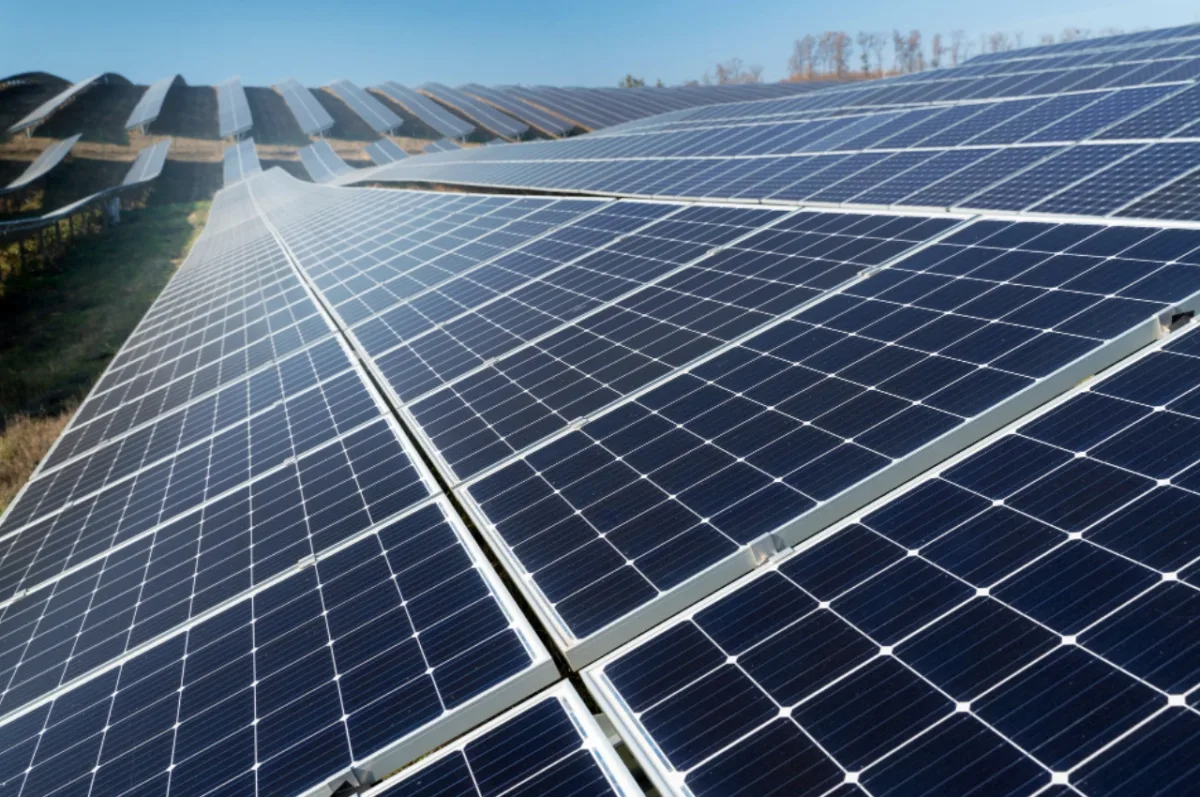
Solar Panel Rules: New regulations are set to take effect in the solar industry on June 1, 2026, which may influence the prices of solar panels and the processes for installation. Under these new guidelines, certain solar panels might see a rise in cost, and there will be additional compliance requirements for subsidies and net metering. The government’s goal is to encourage solar manufacturing domestically and lessen reliance on China.
Amid these changes, public curiosity is increasing regarding whether it is more advantageous to install solar systems now or to wait until later. Experts suggest that the prices of some systems could rise once the new regulations are implemented.
What is the new rule?
The new regulation is referred to as ALM (Approved List of Models). In the past, the government only evaluated the entire solar panel module. However, starting June 1, 2026, the solar cells within the panel must also be sourced from the government’s approved list. This regulation will particularly affect government schemes, subsidies, net metering, and large-scale projects. The advantage is enhanced quality and support for the Make in India initiative. Nevertheless, in some instances, the cost of the panel may be influenced.
How expensive can solar panels be?
Experts indicate that if compliance with ALM alone raises panel prices, the increase could reach up to Rs 3,000 per kilowatt. For 2 kilowatts, the cost could rise to Rs 6,000, and for 3 kilowatts, it could be as high as Rs 9,000. If supply diminishes, prices may escalate even more. However, this does not apply to every customer. Those who do not qualify for subsidies or net metering are unlikely to experience significant changes. There are rumors suggesting that subsidies will be eliminated, but that is not accurate.
Subsidies under the PM Surya Ghar Yojana will continue. Subsidies of up to Rs 30,000 per 1 kilowatt, Rs 60,000 per 2 kilowatts, and Rs 78,000 per 3 kilowatts will be available. Additional subsidies are also being offered in many states. Proper procedures, documentation, and inspection will be required to receive the subsidy.
Two options are available
Subsidy route: This involves an on-grid or hybrid system. This is good for households looking to reduce their electricity bills. It offers subsidies, but technology and choice are limited. Paperwork and waiting time are required.
Freedom Route: This route doesn’t require any subsidies. The latest technologies, such as HJT, HDT, lithium batteries, and hybrid inverters, are available. This route is ideal for those needing backup during power outages or an off-grid system. The initial cost is higher, but it offers better long-term performance.
What should customers do?
After June 1, 2026, compliance will be more important with the subsidy route. If you simply want to save on bills and have patience with the paperwork, choose the subsidy route. If you need the latest technology, backup, and a future-ready system, the freedom route is better. There’s no need to panic. Make a decision based on your needs, budget, and electricity requirements. Before installing solar, be sure to obtain complete information from a reputable vendor.
Latest News
- CUET-UG Exam New Date – New Schedule Expected in First Week of June at cuet.nta.nic.in

- New Maruti Baleno Facelift Spotted On Indian Roads – Premium Hatchback Set For Big Upgrade

- Infinix HOT 70: Budget Phone Packs a Massive 6,000mAh Battery and 120Hz Display!

- Tata AWD SUV Lineup Revealed – 4 Powerful SUVs Coming To Challenge Mahindra

- Oppo A6c Debuts in India: Massive 7000mAh Battery and 120Hz Display Under ₹13,999

- RBI: Interest Rates May Increase Soon! Big Shock EMI Payers Soon

- Solar Panel’s New rule comes into effect from June 1, Know the details
- Ethanol Based Stove – Runs on 7% Ethanol-Water Mix, Cheaper Than LPG, How It Works

- Oppo Reno 16 Series Launched with 200MP Camera and Magnetic Oppo Bubble Display

- Bank Holiday: Banks will remain closed tomorrow, Know why?