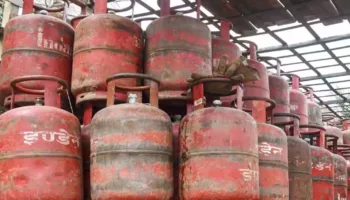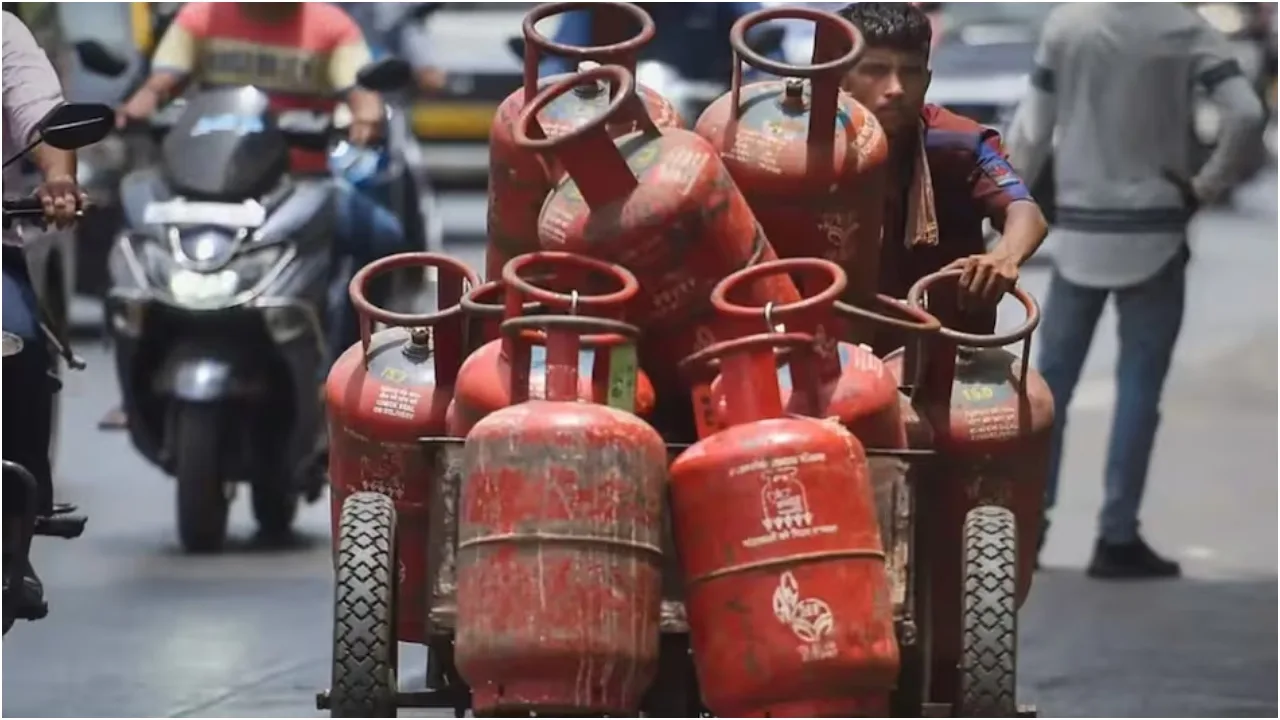
LPG cylinder rate: The tensions between Iran and the United States will not affect the supply of gas Business Idea: Start These 4 Businesses With Low Investment, Then Earn Big Every Month”/gas-cylinder-why-was-the-number-of-subsidized-cylinders-reduced-government-explains-the-reaso-750917.html" class="tb-related-post-link" rel="bookmark">Gas Cylinder: Why Was the Number of Subsidized Cylinders Reduced? Government Explains the Reaso in the country, as there is no gas shortage in the country. Although a ban has been imposed on issuing new gas connections and the government is focused on ensuring adequate domestic gas supply, there is no need to worry. The government is now purchasing crude oil and gas from 15 countries, but rates may change on May 1st.
Will it become more expensive or cheap?
Sujata Sharma, Joint Secretary (Marketing and Oil Refinery) at the Ministry of Petroleum and Natural Gas, assured that the supply of LPG, petrol, and diesel in the country is currently completely normal. Consequently, there are no reports of stock shortages with distributors. The government has also increased domestic production to ensure supply security. Therefore, do not believe rumors.
The government has not said much about whether the price of cylinders will go down in the coming days. However, people are hopeful that the government might be able to reduce the price. Now it remains to be seen what decision the government will take in the coming days.
Today the rate of domestic cylinder in Delhi is Rs 913.0, in Mumbai Rs 912.5, in Kolkata Rs 939, in Chennai Rs 928.5, in Bengaluru Rs 915.5, in Patna Rs 1002.5, in Puducherry Rs 925, in Shimla Rs 958.5, in Srinagar Rs 1029.0. Domestic cylinder rates were last increased on March 7, 2026, and this was after almost three years. Meanwhile, Today, the price of a commercial cylinder in Delhi is Rs 2078.5. In Mumbai, the price is Rs 2031, in Kolkata Rs 2208.5, in Chennai Rs 2246.5, in Bengaluru Rs 2161, in Patna Rs 2353.5, in Puducherry Rs 2245.5, in Shimla Rs 2191.5, and in Srinagar Rs 2385. Rates have risen twice since the Iran war began on February 28th.
It’s worth noting that after the Iran war broke out on February 28th, the gas crisis deepened across the country. The central government halted the supply of commercial cylinders while maintaining domestic supply. This resulted in losses for businesses, but now the government is providing 70 percent of the commercial gas supply. It is also encouraging people to obtain PNG connections.