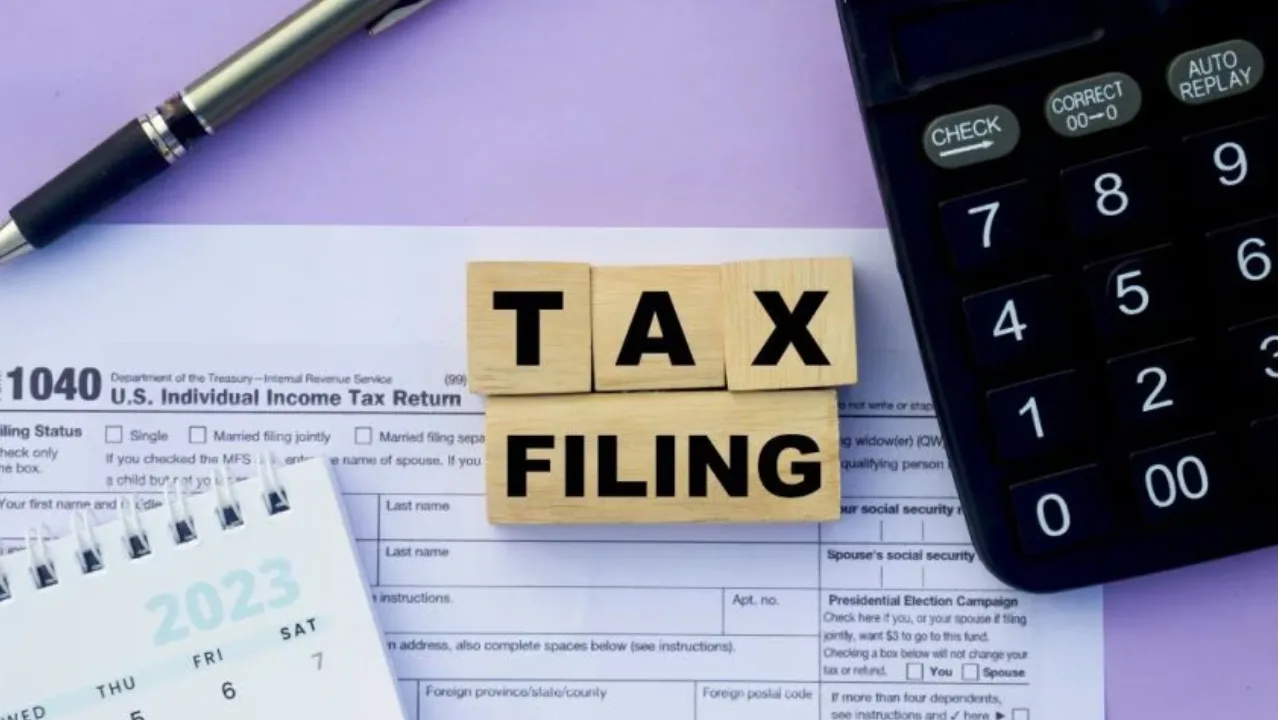
ITR filing 2026: There is a big update for taxpayers. Tax Deducted at Source (TDS) is a method used by the government to collect taxes in advance. When making payments such as salary, bank interest, dividends, commissions, or other payments, a certain amount is deducted as tax. Sometimes, the TDS deducted for the entire year exceeds your actual tax liability. In such cases, you can get the excess amount refunded by filing your ITR.
When is TDS refund received?
If the TDS deducted in your name during the financial year exceeds your total tax liability, you are entitled to a refund. Furthermore, if your total taxable income is less than the basic exemption limit and TDS was still deducted, you can still claim a refund. Once the ITR is processed, the income tax Department will deposit any additional tax amount directly into your bank account.
How can you claim a TDS refund?
Start by checking Form 26AS. This form is associated with your PAN and provides details about all TDS that has been deducted in your name. It also shows information regarding taxes deducted from your salary, interest, and other income, along with advance tax and self-assessment tax. Next, when you file your ITR, make sure to accurately report your total income and cross-check it with the TDS listed in Form 26AS. If the TDS deducted exceeds your tax liability, the system will automatically compute your refund.
After submitting your ITR, it’s crucial to complete the e-verification process. You can do this using your Aadhaar OTP or other available methods. The refund process will only commence once e-verification is completed.
How can you check the status of your refund?
The refund process usually starts after your ITR has been e-verified. It generally takes about 4 to 5 weeks for the refund to be credited to your bank account, although this timeframe can vary based on individual circumstances.
To check your refund status, log in to the Income Tax e-filing portal. Then, navigate to e-File, select Income Tax Returns, and click on “View Filed Returns”. Choose the relevant assessment year and click on “View Details”. Here, you will find the status of both the return processing and the refund. The refund status may display messages such as ‘Refund Issued,’ ‘Refund Partially Adjusted,’ ‘Full Refund Adjusted Against Outstanding Demand,’ or ‘Refund Failed.’
What could cause a refund to fail?
If your PAN is not linked to your Aadhaar, it could block your refund. Additionally, failing to pre-validate your bank account can lead to issues. A mismatch between your bank details and your PAN record can also result in refund failures. An incorrect IFSC code or a closed bank account may also contribute to this problem.
Thus, before filing your ITR, double-check all your bank details. Also, make sure your PAN is linked to your Aadhaar. Even a minor error can delay or prevent your refund. TDS is deducted on various types of income. These include salaries, dividends, and bank interest. TDS can also be deducted on professional fees, consultancy fees, contract payments, commissions, and brokerage. TDS is also applicable on lottery proceeds and earnings from online gaming.