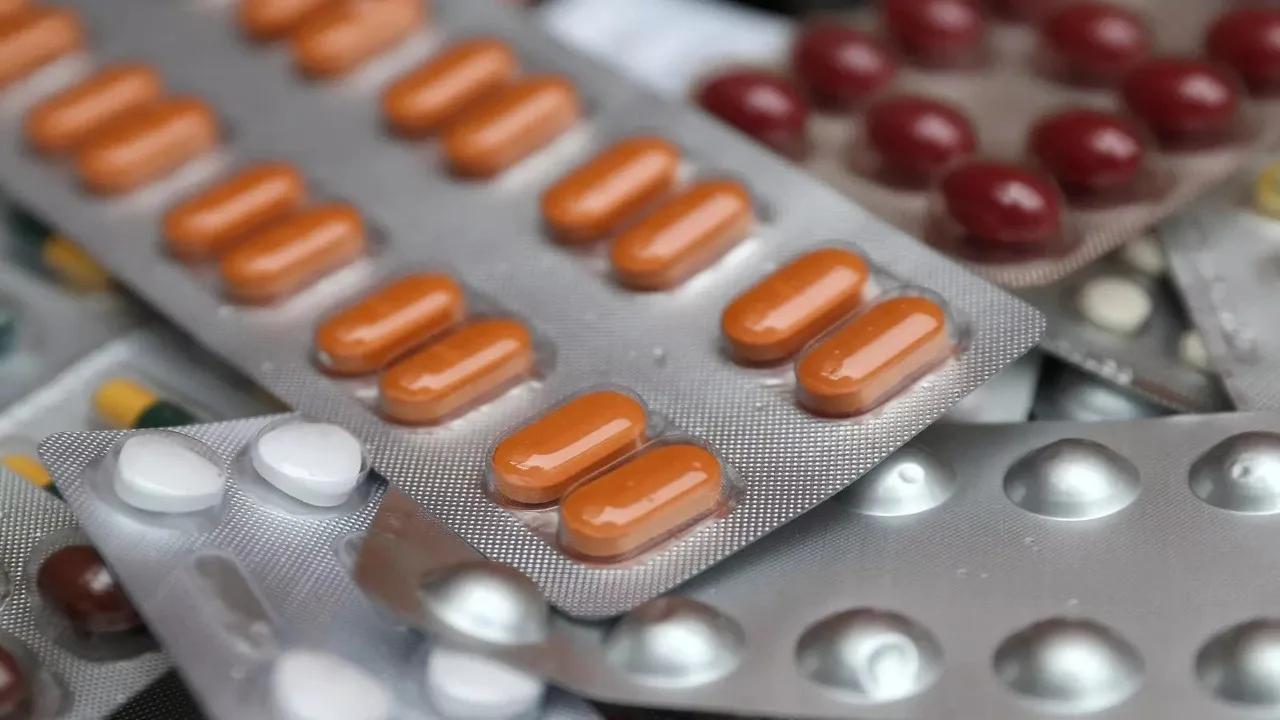
GST Rate Cut- New GST rates have come into effect. Medicines that were previously taxed at 12% will now be taxed at only 5%, while 36 critical life-saving drugs have been made completely tax-free. The Indian Pharmaceutical Alliance (IPA) stated that the lower drug prices will significantly benefit patients across all socioeconomic groups, from middle-class families to long-term care patients and senior citizens. Notably, treatment for diseases ranging from diabetes to fatty liver is expected to become cheaper by up to Rs 2 lakh.
This reform will also benefit the healthcare sector. The biggest benefit of this reform will be that medicines will become cheaper. By reducing overall taxes, these reforms will help lower the prices of essential medicines, thereby improving the healthcare sector. This new tax structure will strengthen local production of essential, specific, and complex generic medicines. This will not only strengthen India’s pharmaceutical base but also reduce dependence on imports.
The IPA emphasized that this reform will make treatment for cancer, genetic and rare diseases, as well as heart conditions, more affordable. The IPA conducted a study on patients suffering from rare and chronic diseases. This study explored the financial impact the GST reform could provide to these patients. Furthermore, the IPA highlighted several sectors that could benefit significantly from lower GST rates on several life-saving medications.
The IPA highlighted the case of 19-year-old Rohan, who suffers from Fabry disease, a rare genetic disorder. His previous enzyme replacement therapy cost approximately Rs 1.8 crore annually. Now, with zero GST on such therapy, his family will be able to save approximately Rs 20 lakh annually.
Breast cancer patients can get relief of Rs 4 lakh
Based on a study conducted on a patient with HER2-positive primary breast cancer, the IPA reported that a 5% GST reduction could reduce medication bills by approximately Rs 400,000. This treatment requires a combination of pertuzumab and trastuzumab, which is one of the most effective but most expensive therapies.
The cost of medications, lab testing, and diagnostics further increases the financial burden. For patients with chronic conditions like diabetes and high blood pressure, who require daily insulin and regular medications, the GST reduction would result in annual savings of approximately Rs 6,000.
Asthma patients can save Rs 2,351
Even asthma patients have to spend thousands of rupees annually on their treatment and inhalers. According to an IPA study, a chronic obstructive pulmonary disease (COPD) patient was prescribed a daily inhaler by their doctor, which cost approximately Rs 3,135 per month, amounting to Rs 37,620 annually. This was a very expensive medication for someone earning Rs 15,000 per month. After GST reform, the tax on such essential medicines would result in annual savings of approximately Rs 2,351.
Based on a study of an obesity patient, the IPA reported that before the GST reform, the annual expenditure on obesity medications and tests for a patient was approximately Rs 9 lakh. The new 5% GST rate on essential medicines has reduced the cost of treatment to Rs 2 lakh.