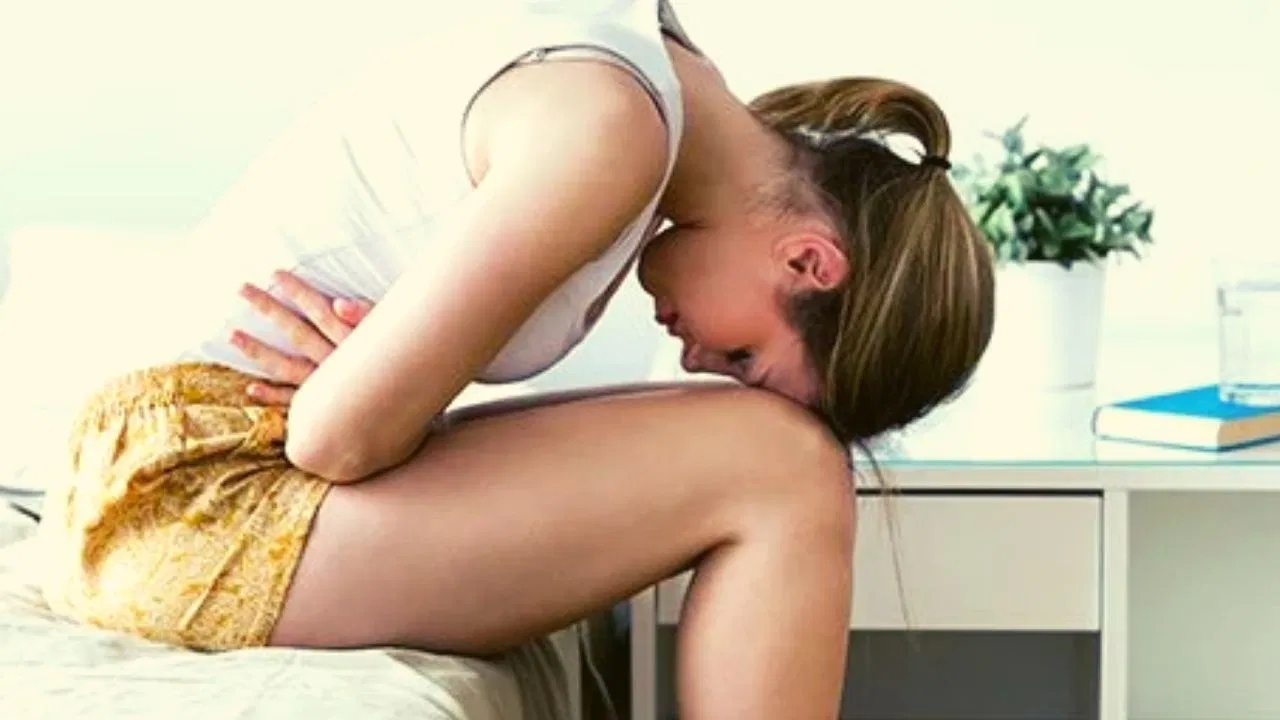
Menstrual Leave: Big news for working womens. Periods can be really tough for women. Pain, weakness, and fatigue can sometimes make it hard to work in the office. If women get the chance to take a break during these special days, it can really help their health and work performance. Keeping this in mind, another Indian state has made a big move for women. Now, millions of female workers in Karnataka will get one day of paid Period Leave each month, and they don’t even need a medical certificate to take it.
This is a big deal because before, period leave was mostly available only in private companies or a few states. But now, the Karnataka government has rolled it out at the government level, sending a strong message about the importance of women’s health. So, let’s take a look at the age range for women who can take advantage of this period leave.
Until what age can women use this period leave?
The Karnataka government has officially stated that all female government employees aged 18 to 52 will get one day of paid menstrual leave each month. This means a female employee can enjoy a total of 12 days of Paid Leave each year. This benefit is available to all female employees in the state—whether they are permanent, on contract, or outsourced.
No medical certificate is needed to take this leave
The government has also made it clear that female employees won’t have to show any medical proof to take this leave. Period leave can’t be combined with other types of leave, like casual leave or medical leave, etc. This leave will be tracked separately in the office.
How many women will benefit from this?
According to government statistics, Karnataka has over 1.5 lakh female government employees. Now, all of them will benefit from this special menstrual leave. Labor Minister Santosh Lad mentioned that this will enhance women’s health, lower mental stress, and make women feel more comfortable at work. The Karnataka government had proposed giving women only six days of period leave a year in 2024. However, this was later increased to 12 days in October 2025, taking into account women’s needs.