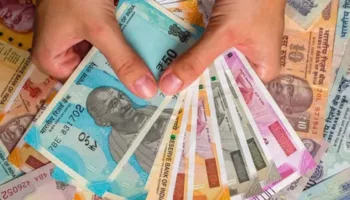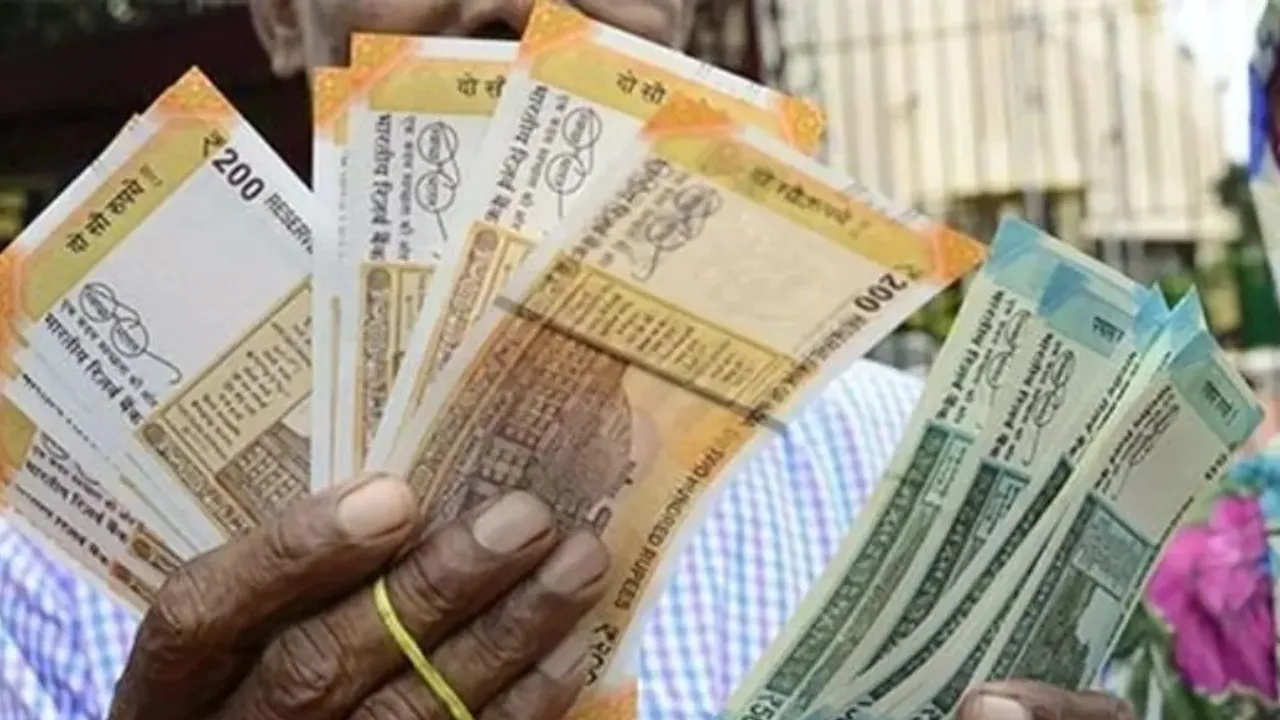
Fake Note: With the start of the Diwali season, markets have become lively. Along with this, the network of counterfeit currency is also spreading rapidly in the market. In fact, a counterfeit currency racket has been busted in Sangli, Maharashtra. In a major crackdown, the Maharashtra Police have seized counterfeit currency worth Rs 1.11 crore. Five people have also been arrested in this case. This incident has further increased people’s suspicions about the abundance of counterfeit currency in the market during Diwali. So, let us tell you today how to identify genuine and counterfeit currency.
RBI’s MANI App
The RBI launched the MANI app to identify counterfeit notes. It’s a fake note detector app. To identify a counterfeit note, open the app and scan the note. After scanning, the app will immediately tell you whether the note is genuine or counterfeit. The special feature of this app is that it can also identify torn and old notes.
Check the security features of the note
To identify a genuine and counterfeit note, check the security features of the note yourself. Genuine notes have a shiny security line with the words Bharat and RBI written on it. Additionally, there is a watermark near Gandhiji’s photo, which is clearly visible within the line. Genuine notes also have Gandhiji’s glasses and the words RBI, Bharat, and 500 written in very small letters on the edge of the note.
Check with UV test
You can check for genuine and counterfeit notes using a UV test. If you don’t have a UV light, you can hold a blue or purple transparent plastic piece to your phone’s flashlight. The thread and serial number on genuine notes will glow under the dim blue or green light. While this method isn’t 100% accurate, it can be used for initial identification.
Identify the quality of the note
To distinguish between genuine and counterfeit notes, one can also identify their quality by holding the note in their hands. The paper on genuine notes is strong and durable, while counterfeit notes are thin and of poor quality, and they tend to discolor when bent or rubbed.