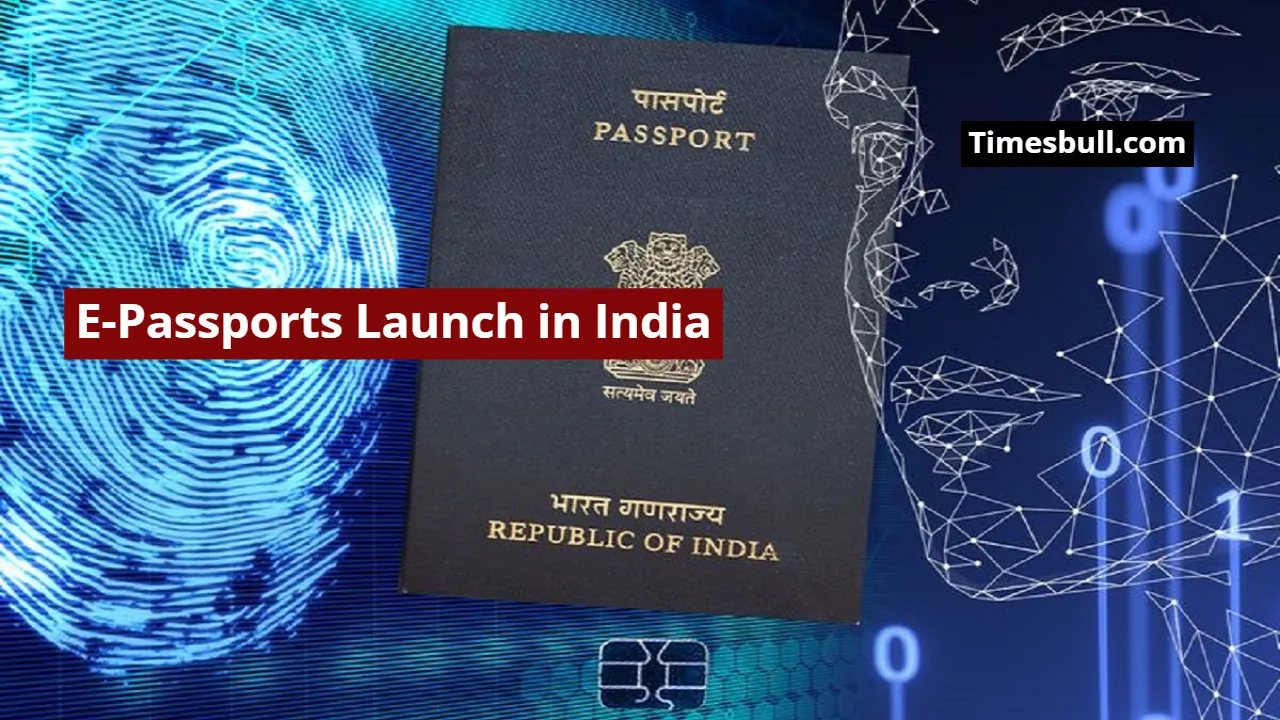
The role of passports as a vital document for foreign travel and identification in India is considered crucial. To modernize this system, the Government of India has implemented the e-passport system across the country under the Passport Seva Program V2.0. Following this change, all new passports and renewals issued by Indian embassies in India and abroad will now be available as chip-based e-passports. This move aims to not only strengthen security but also speed up and streamline the immigration process.
Read More- Gold Price Prediction – Expert Ajay Kedia Expects Surge After December Wedding Season Demand
Many questions have arisen regarding whether old passports are valid. The government has clarified that those currently holding old passports will remain valid until their expiration date, and holders will be able to use them as normal. Only after the expiration date has expired will a new passport be issued as a chip-based e-passport. New applicants will no longer need to complete any additional forms or special options, as the new system will automatically implement e-passports.
This technological change, under the Government of India’s PSP V2.0 and Global Passport Seva program, is a major step towards making travel documents in the country more secure. A small gold-colored symbol on the cover of the e-passport highlights its uniqueness. The RFID chip embedded in the cover securely stores the holder’s biometric and personal information, reducing the possibility of counterfeit passports and significantly speeding up airport identification.
Read More- Google Pixel 9 high-end smartphone Available At ₹25,000 Flat Discount, Check Features and Price
The adoption of the e-passport system has joined India in the growing number of countries globally that are using modern electronic technology in travel documents. This initiative will not only enhance security but will also ensure applicants experience greater transparency and speed in passport service processes.