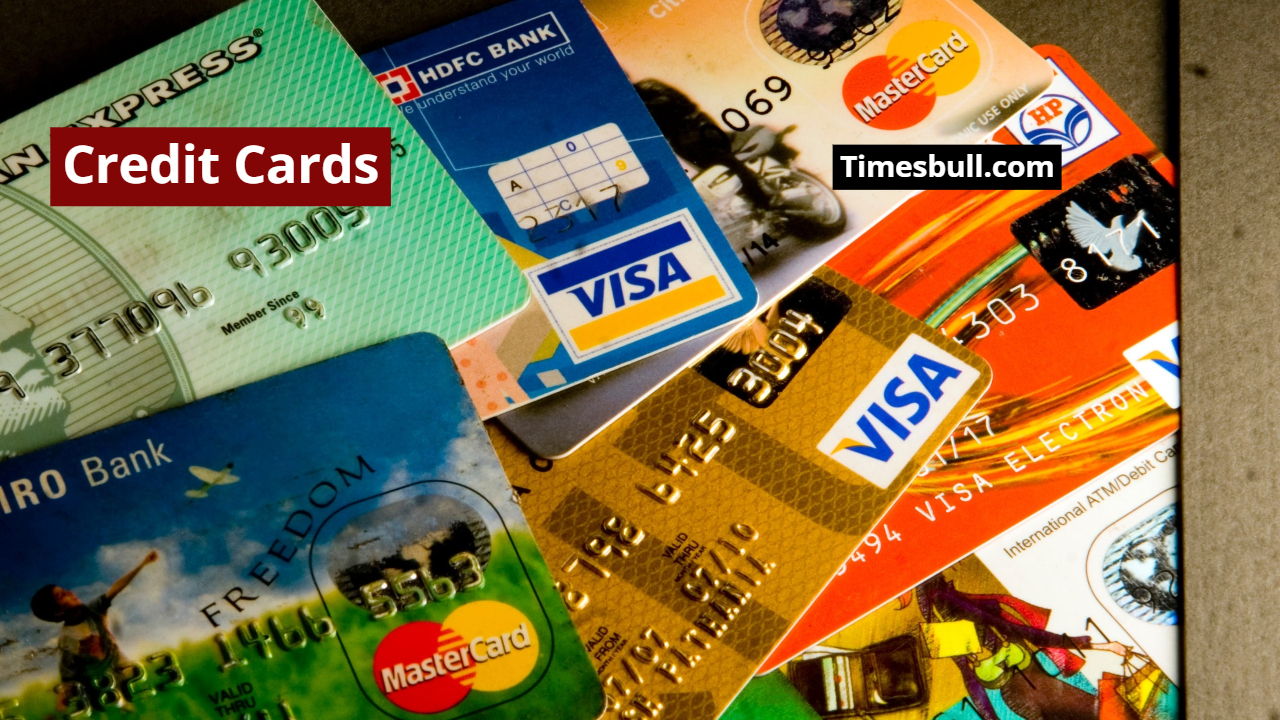
Credit card usage has become a part of everyday life. Whether it’s shopping, bill payments, or online transactions, people rely on the convenience of cards. However, most card users make a major mistake: When the bill arrives, they feel relieved by simply seeing the minimum due amount instead of paying the full amount. This relief can turn into a huge financial burden in the future. Many people fall into this trap without realising that the minimum due amount is only 5 per cent, but the real game begins here.
What is the Minimum Due Trap?
When your credit card bill is generated, the bank offers two options: one is the total amount due, meaning paying the entire balance, and the other is the minimum amount due, meaning paying only a small portion of the total amount. Many people think that if the bill is ₹40,000, they can pay just ₹2,000 now and the rest later. But this convenience slowly pushes you into a quagmire of debt. Banks earn interest, and the minimum due date starts ticking as soon as they take advantage of the minimum payment.
Minimum Payments Start the Interest Burden
The biggest disadvantage of paying only the minimum due date is that the remaining balance is charged a hefty interest rate of 30 to 45 per cent. This rate is much higher than any personal loan or other credit facility. As the months pass, interest continues to accumulate on the principal, increasing your balance instead of decreasing it. Many people later realise that they have paid far more than they actually spent, yet the card balance remains unpaid.
The Free Credit Period Also Ends
Credit cards are characterised by a 45 to 50-day interest-free period. However, if you haven’t paid the previous month’s bill in full, this benefit ends immediately. Now, instead of receiving zero interest on new purchases, interest is added from the same day. This means that every swipe of the card becomes even more expensive.
The debt pit deepens
The real problem with paying the minimum due amount is that it creates a psychological illusion that you’re paying. But in reality, your principal balance doesn’t reduce. Interest continues to accumulate, and over time, the debt grows so large that it becomes difficult to repay.
Full Payments Benefit Your Credit Health
The only way to use a credit card wisely is to pay the full bill every month. This not only keeps interest charges to zero but also strengthens your Credit Score. Making full payments on time indicates your financial discipline and can quickly boost your CIBIL score above 750. It also keeps your credit utilisation ratio low, which is crucial for improving your score.
Read More- Best Stocks November: ₹1 Lakh Becomes ₹35 Lakh With 2600% Return, This Stock Can Game-Changer
How to Avoid This Trap
If you’re already stuck with the minimum due amount, there’s no need to panic. First, convert your entire outstanding balance into EMIs. The interest rate is typically 12 to 15 per cent, which is significantly lower than Credit Card Interest. Then, set up auto-pay in your bank account so that the full bill is deducted on time each month. Most importantly, treat your credit card like a debit card and spend only what you have available in your bank account.