
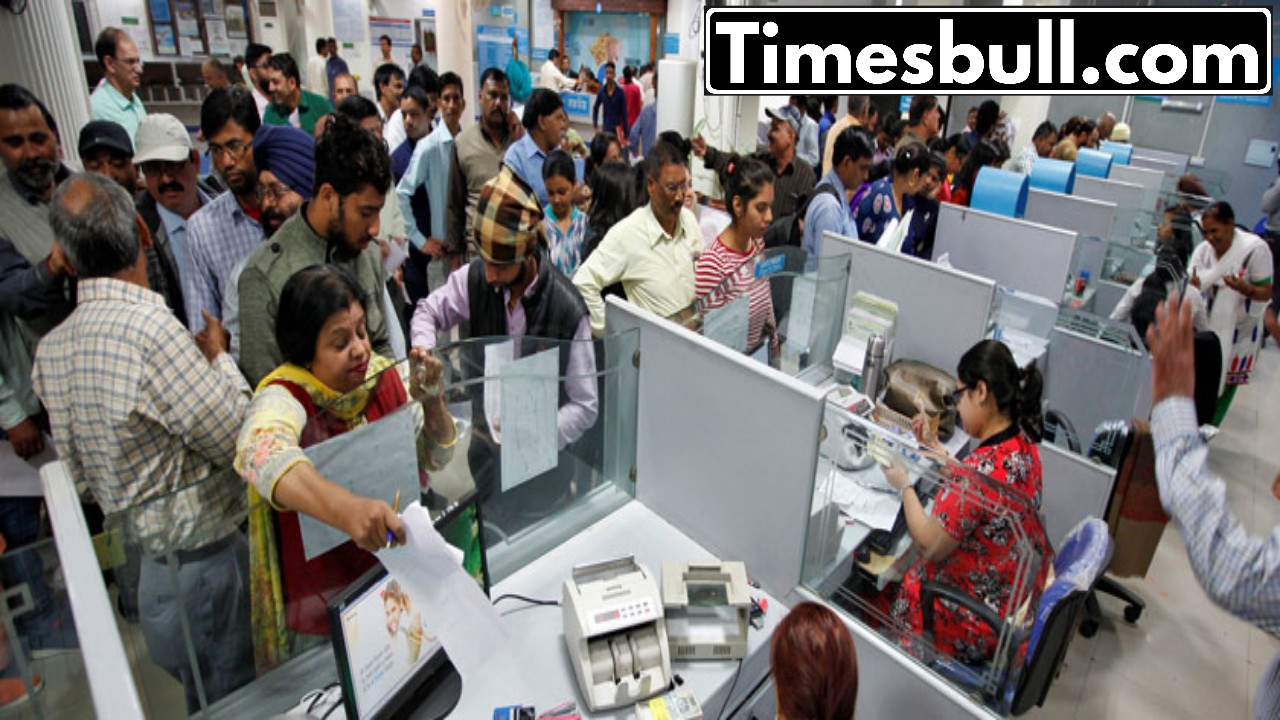
Bank Rule Change: New banking regulations will take effect at the start of the new financial year in India, specifically on April 1, 2025. These regulations will impact various aspects of banking, including ATM withdrawals, minimum balance requirements, check payment security, digital banking services, interest rates for savings accounts and fixed deposits (FDs), as well as credit card offerings. Customers can enhance their banking experience by familiarizing themselves with these new rules in advance, which will also help them avoid extra fees and penalties.
Banks can potentially revise these rules
Under the revised guidelines, customers will now be allowed to withdraw cash from ATMs of other banks without charge only three times. After this limit, a fee ranging from 20 to 25 rupees will apply for each additional transaction, a reduction from the previous allowance of five free withdrawals by many banks.
Major banks, including the State Bank of India (SBI), Punjab National Bank (PNB), and Canara Bank, have introduced new minimum balance requirements. Customers will now need to maintain different minimum balances depending on whether they are in urban, semi-urban, or rural areas. Failure to meet these balance requirements will incur penalties, which will vary by bank and account type.
To combat bank fraud, the Positive Pay System (PPS) will be implemented. For cheque payments exceeding Rs 5,000, customers will be required to verify the cheque number, date, beneficiary name, and amount, thereby reducing the risk of erroneous payments and fraud.
Additionally, SBI and IDFC First Bank are modifying the benefits associated with their Vistara credit cards, discontinuing perks such as free ticket vouchers, renewal benefits, and milestone rewards. Axis Bank will also introduce similar changes to its Vistara credit card offerings starting April 18, 2025.
Furthermore, several banks have announced adjustments to the interest rates for savings accounts and fixed deposits (FDs). The new rates will be determined based on the amount deposited, which means customers with larger deposits may receive higher interest rates.