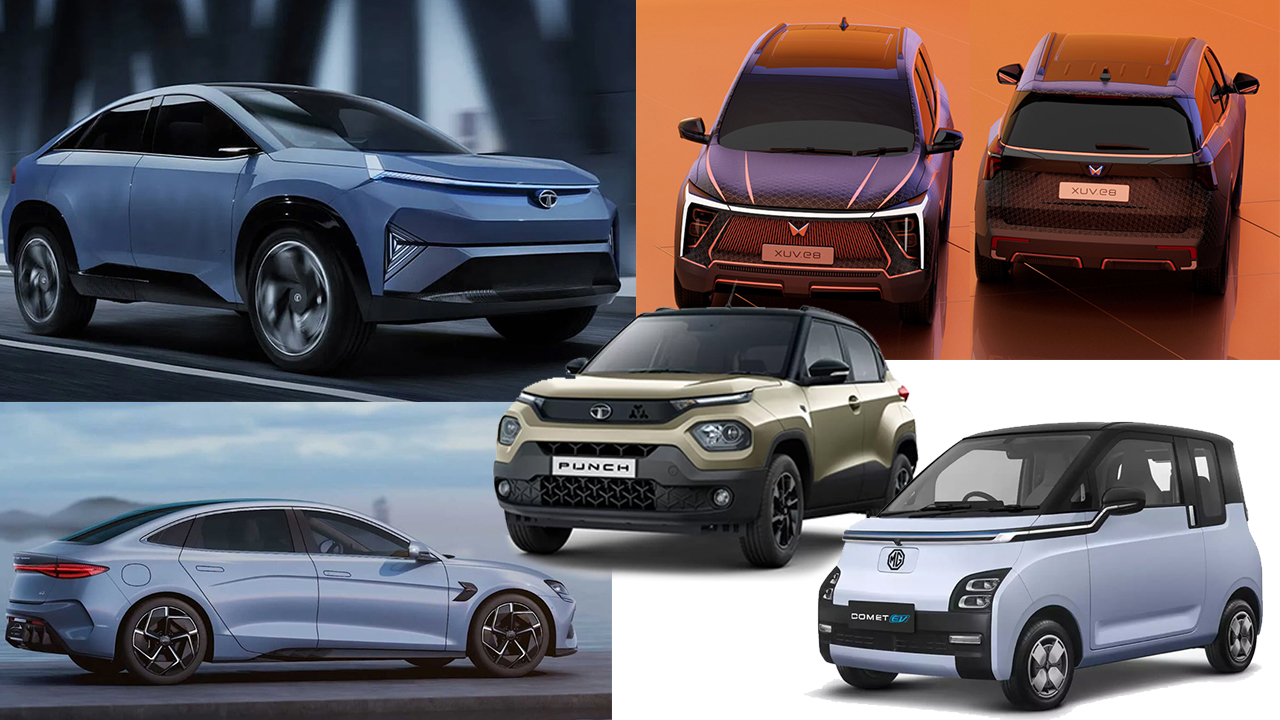
Top 10 Upcoming Electric Cars In India 2025 : Electric vehicles (EVs) have the most magical speed comparable to that of bullet train services in India. Considering the government’s undertaking of policy initiatives by announcing more charging stations, the step is meant to make the public more aware of EVs. Hence, all roads seem to lead to “2025-the year of the electric revolution.” Numerous automotive companies have lined themselves up to launch spectacular electric cars this year and would certainly challenge petrol vehicles in terms of performance, range, and features available.
Tata Curvv EV
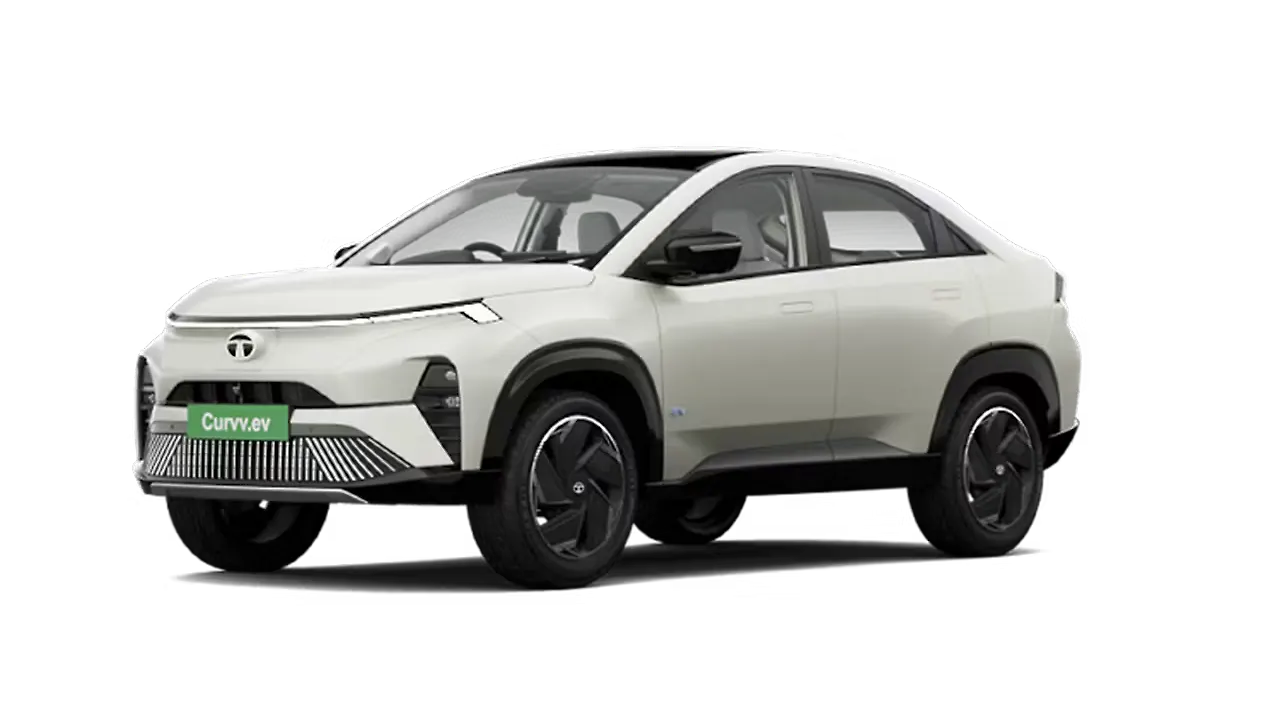 Tata Motors has been adding to its EV portfolio through this product.
The coupe-like (curvaceous) SUV Tata Curvv EV will reportedly get between 400 and 500 km of range and have fast-charging capabilities. It’s expected to have a modern, sporty presence which will appeal to Nexon EV customers, taking it into direct competition with the likes of Hyundai Creta EV and MG ZS EV at launch.
Hyundai Creta EV
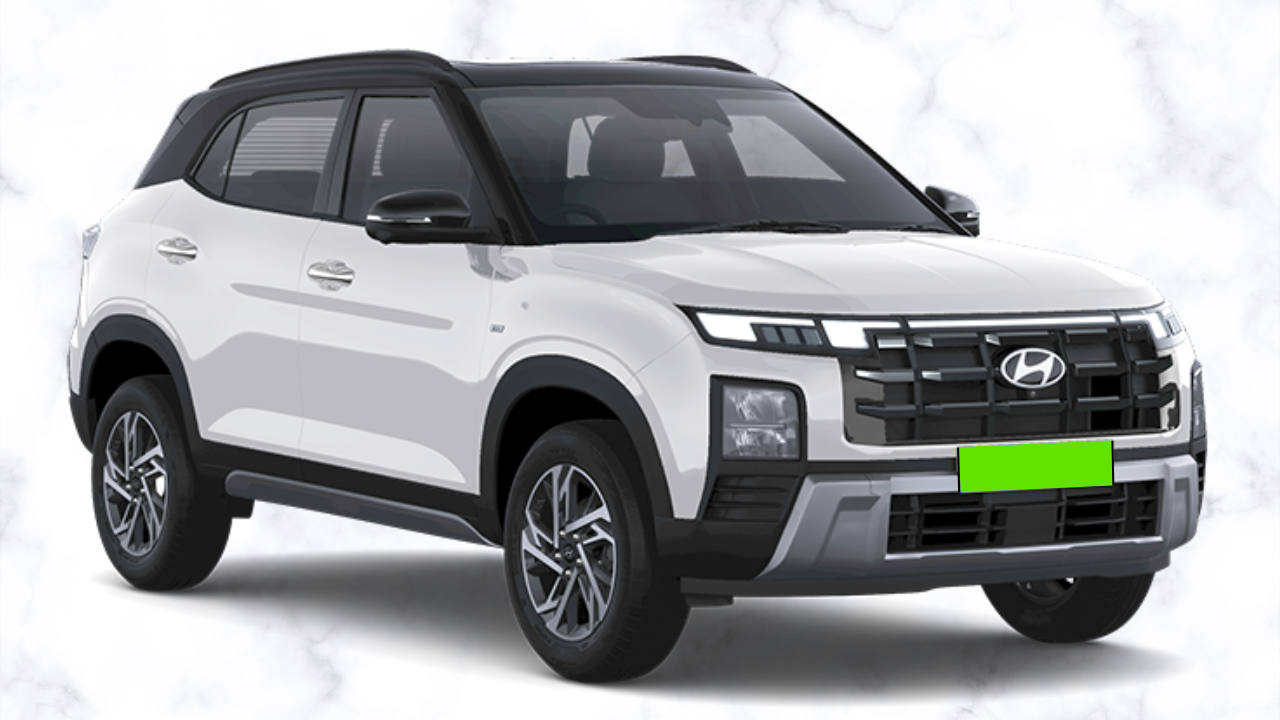 Hyundai launches its most successful SUV in a completely electric avatar.
Creta EV is expected to have a range of around 450 km with a 60-kWh battery pack.
Inside will be a high-tech digital display focusing on features like wireless charging and ADS.
This urban EV will be the next-advance disruptor attacking the SUV segment.
Mahindra XUV.e8
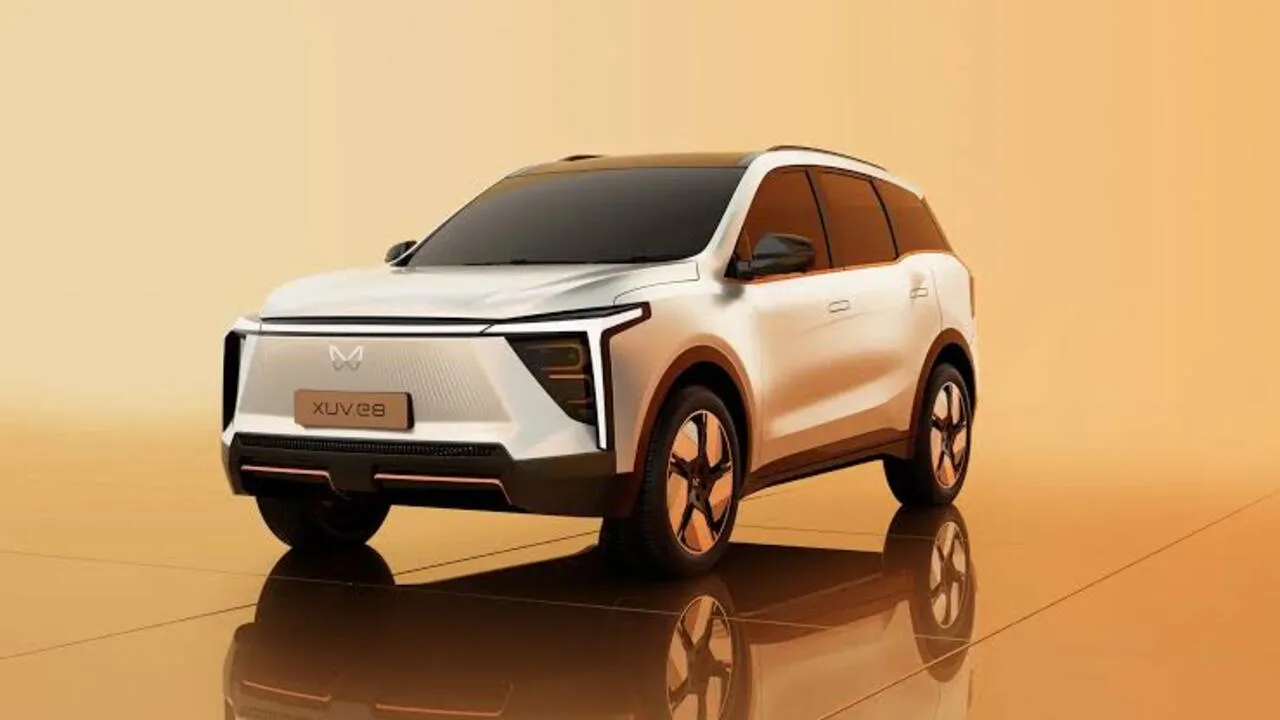 Mahindra presents here the XUV.e8, in 2025, as the first offshoot from born electric for the company.
The EV has a new electric powertrain, based on the XUV700 platform.
The overall stated range of 500 km, coupled with the dual-motor AWD configuration, is expected to be its most impressive.
Maruti Suzuki EVX
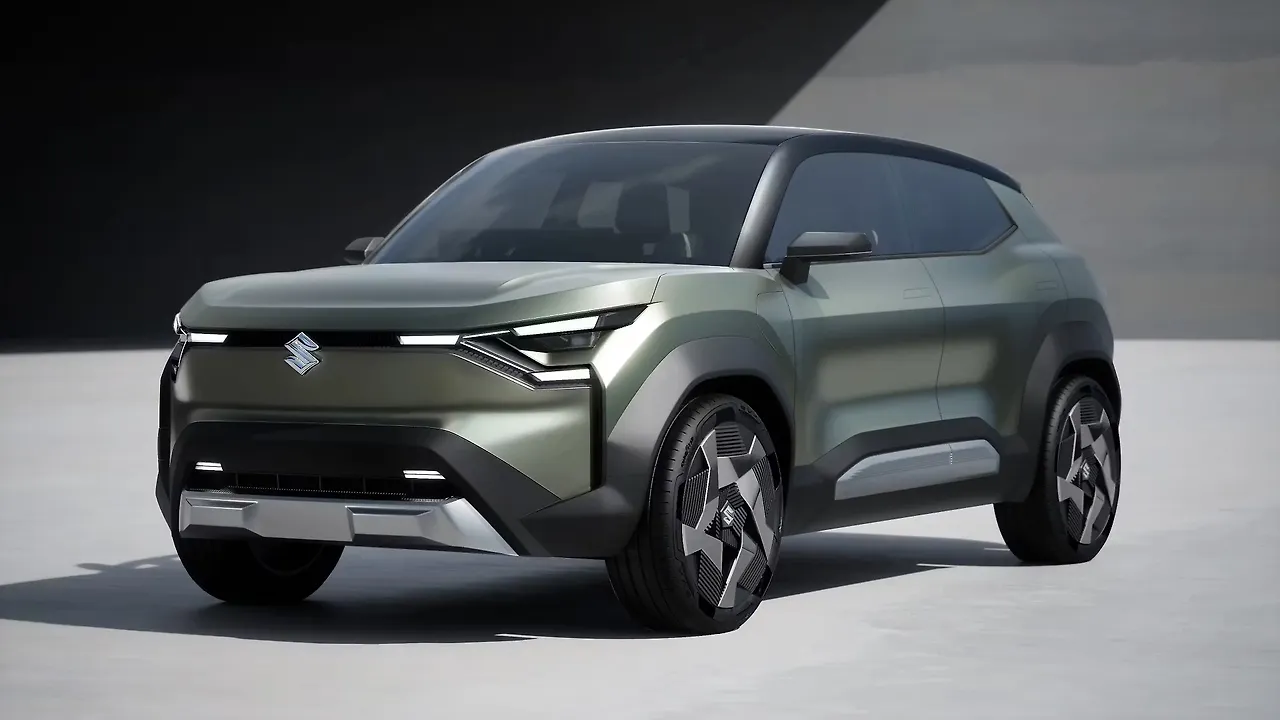 The Maruti vehicle is the first electric SUV from the company and is anticipated to hit the market by early 2025. This will be co-developed with Toyota and is expected to give an estimated range of about 550 km on a 60-kWh battery.
An established name within India, technically advanced, and simple to maintain, is most likely going to be the ideal choice for your middle-segment buyer in EVs.
BYD SEAL
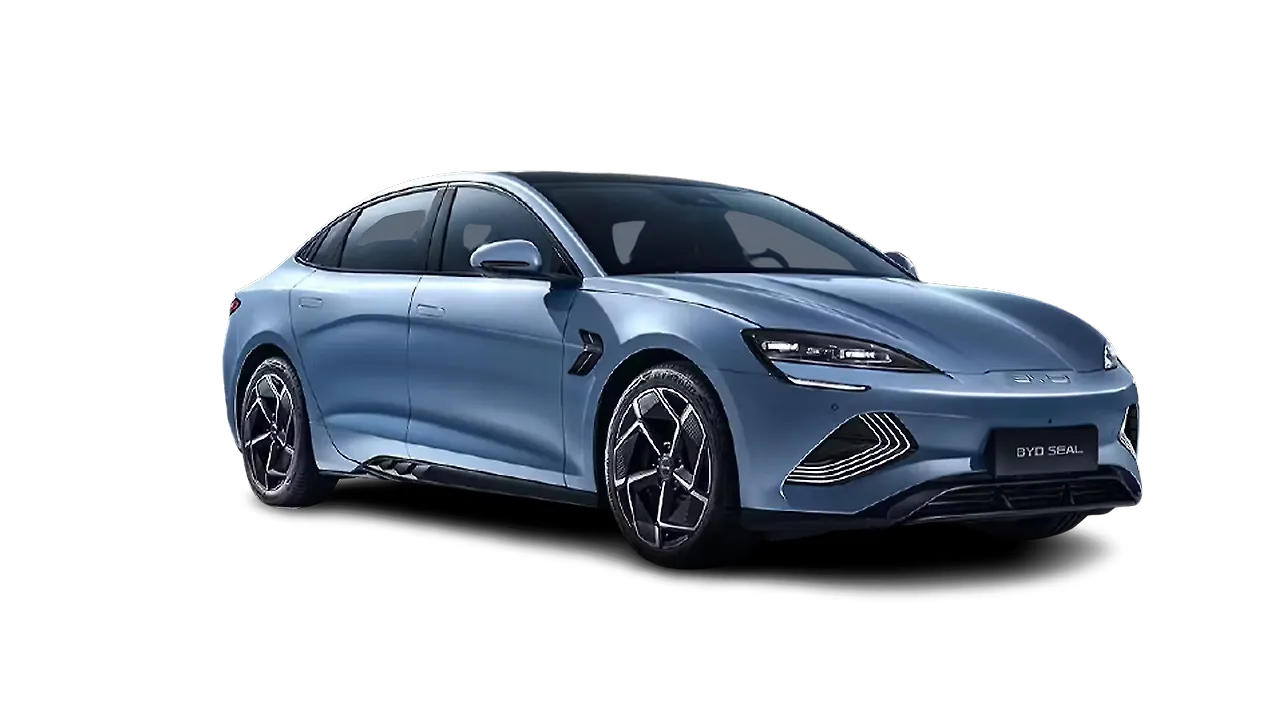 The BYD (build your dreams) SEAL has taken the world market by storm with different models.
In 2025, it will enter India to directly compete against the Tesla Model 3.
With a 700 km range and 3.8 seconds for the 0-100 km/h sprint, it could hold a throne in the premium segment with even the most luxurious interiors.
MG 5 EV (Estate)
 All set to unleash its next electric vehicle in estate (station wagon) style.
The MG 5 EV will have its cake with its own slice of cake ( battery capacity rated at 52 kWh), so that will amount to something near 400km.
Add that to a novel approach: family-friendly with a little luxury touches—
Citroen eC3 Aircross
 Citroen has outsized its electric hatch (ëC3). The SUV version- ehk ëC3 Aircross-will grace the market in the year 2025. Range will be kept between 300-350 Km, combining French aesthetics and budget craft.
Honda Elevate EV
 Going with the trend, Honda is going to launch the Elevate EV in 2025. This car is mostly based on the petrol version but now comes with an electric drive. Range and price-conscious owners will love it with 400-450 km and Japanese reliability.
Skoda Enyaq IV
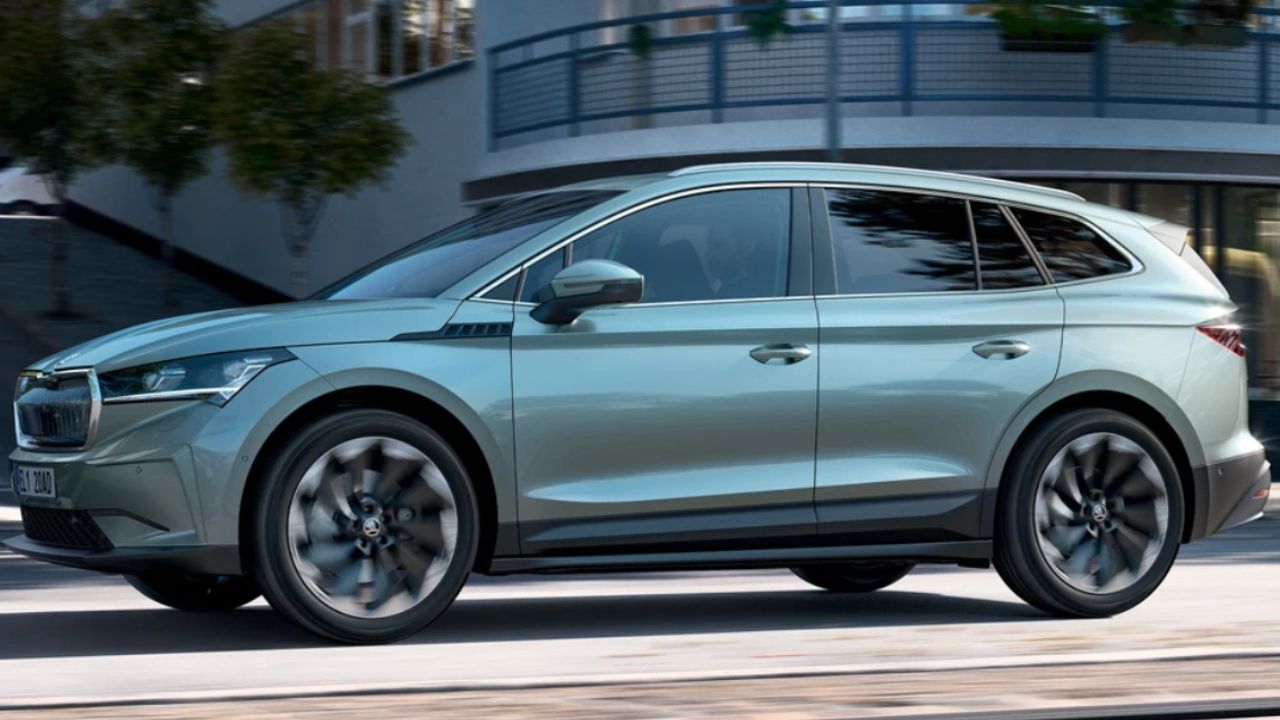 Internally, the premium features of the model Enyaq IV corroborate India’s start with Skoda’s first global electric SUV. Charging support to 125 kW goes in tandem with a 520-km range. The extremely premium EV for those who opt for luxury and power drives together.
Kia EV5
After a handsome run of success for the EV6, Kia will now work on the launch of the EV5 by 2025. A tad bit more compact than the EV6, this small SUV boasts a similarly futuristic design and 500km range. The key features include Adas, panoramic display, and ultra-fast charging.
 In 2025, it would take off all the same in terms of development for the Indian EV market.
All firms, including Tata, Hyundai, Mahindra, Maruti, and Kia, are completely geared up for the transition to the electric paradigm.
Most assuredly it isn’t a “fad” but is instead the future.
And for potential buyers trudging through the next car purchase contemplation, the wait will surely be worth it, for 2025 will be the “year of charging, not petrol!”