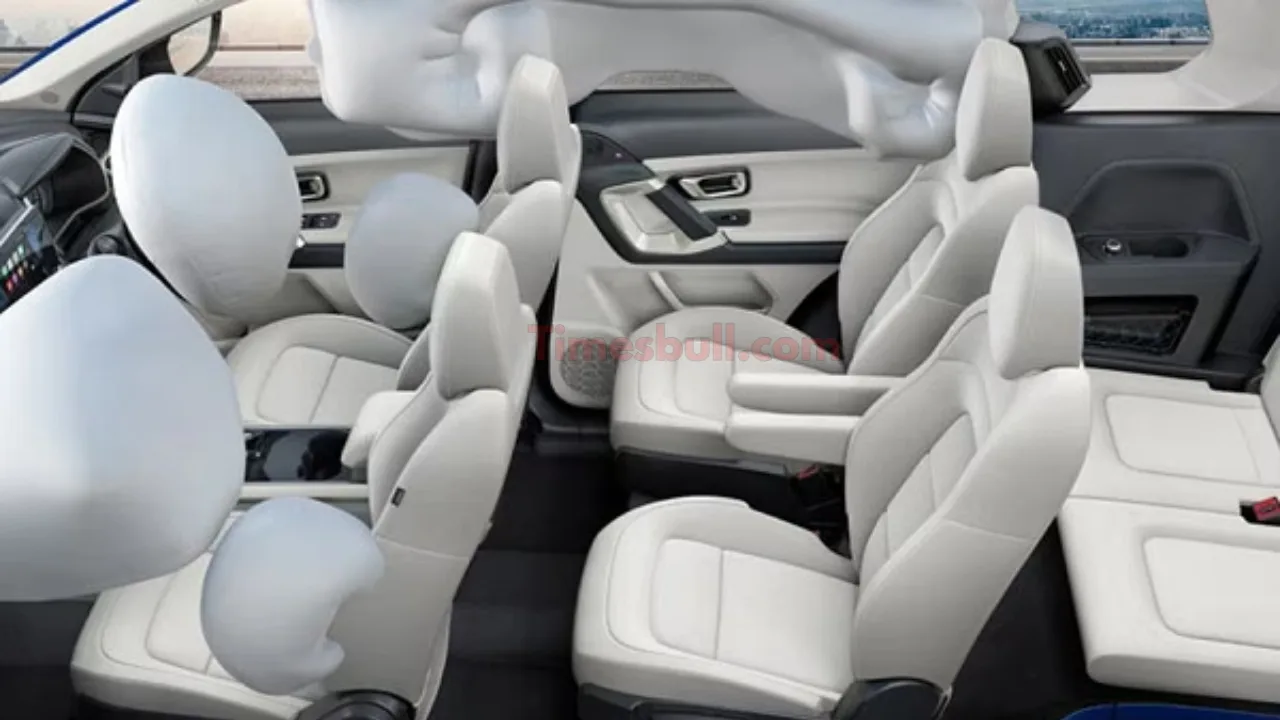
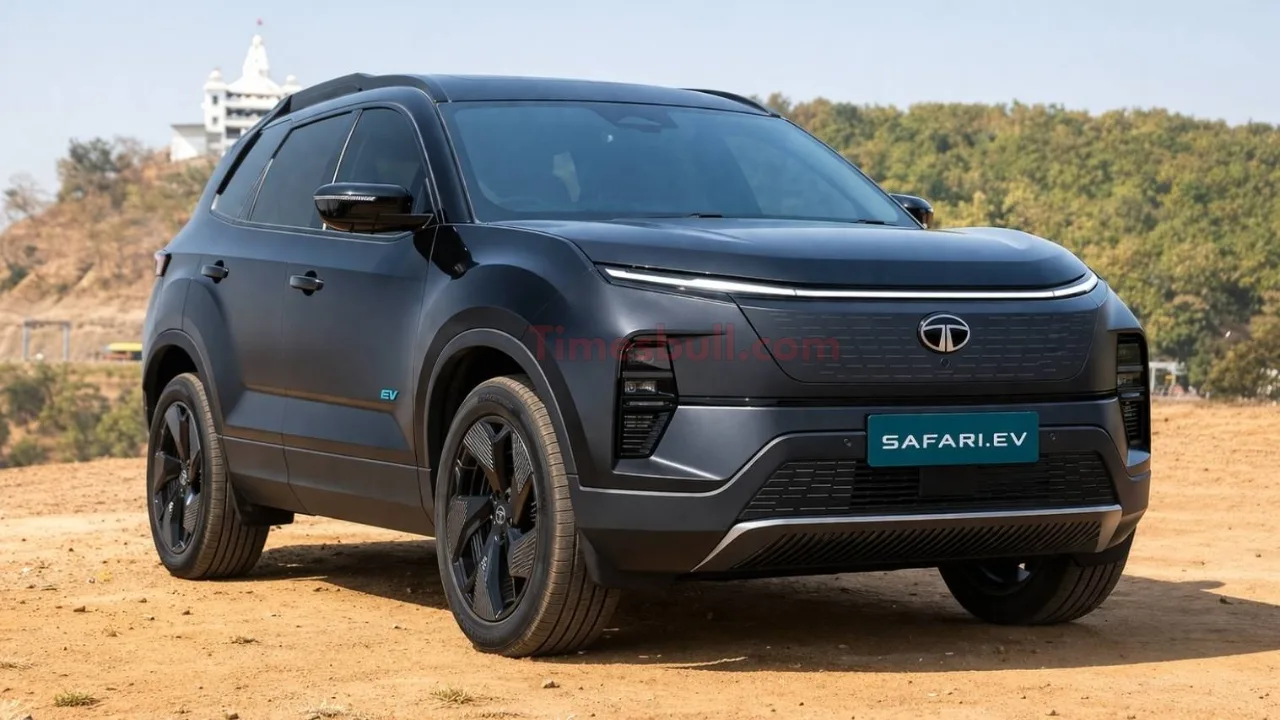
After the high-profile return of the Sierra EV this summer, the spotlight shifts to the final piece of Tata’s electric puzzle: the Safari EV. Codenamed ‘Tata Tayrona,’ this three-row flagship is set to debut in Q4 2026, officially electrifying Tata’s entire SUV portfolio and marking a massive mechanical shift for the brand.
Positioned to challenge the Mahindra XEV 9e (which launched in January 2026), the Safari EV is built on the JLR-derived D8 platform using the new acti.ev+ architecture. This isn’t just a battery swap; it’s a total overhaul featuring a move to Rear-Wheel Drive (RWD) and high-performance All-Wheel Drive (AWD) layouts. We’ve analyzed the Schaeffler motors, the 600km range, and the new multi-link suspension to bring you the ultimate breakdown.
Design & Build Quality
The Safari EV will be the second Tata model to utilize a heavily modified version of the JLR D8 platform, following the Harrier EV. This heritage allows the Safari EV to maintain its world-class structural rigidity while housing a much larger battery floor.
- Platform: acti.ev+ (Second-generation architecture).
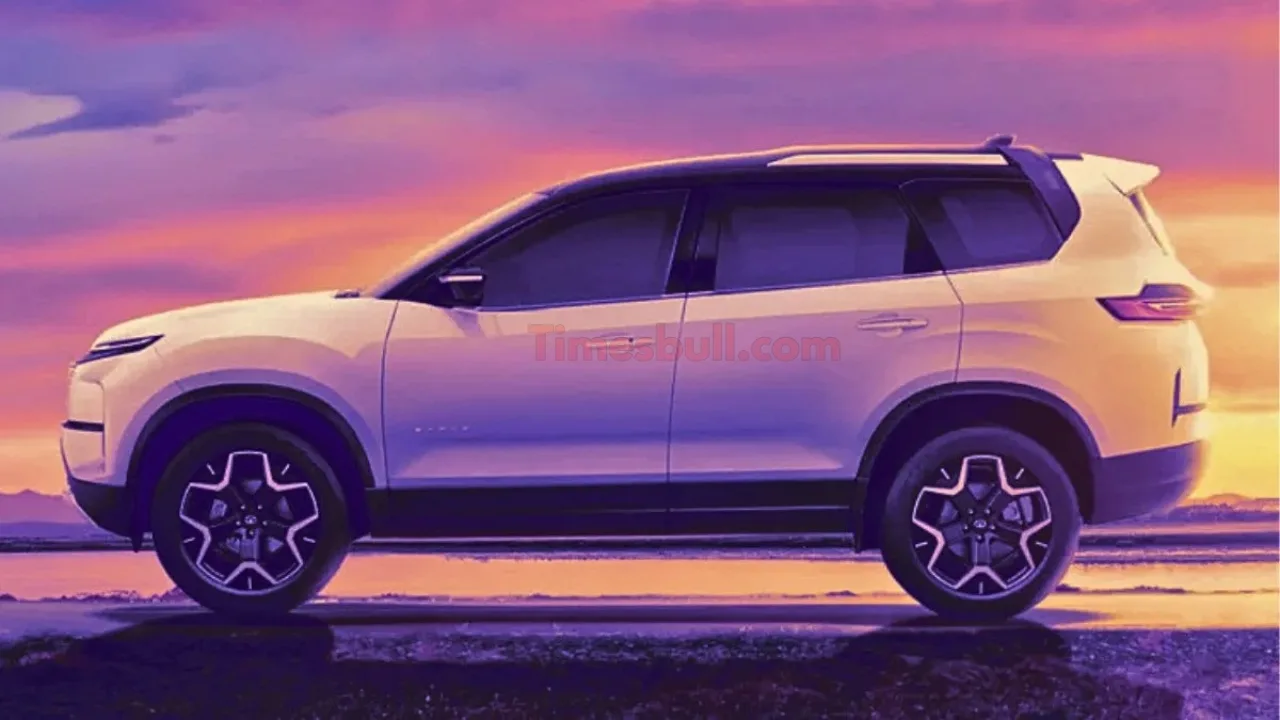
- Aesthetic: Expect EV-specific closed-off grilles, unique aero-optimized 19-inch alloys, and “.ev” badging.
- Stance: Retains the tall, commanding presence of the Safari but with a lower center of gravity due to the floor-mounted battery.
- Durability: Targeted 5-star BNCAP rating, maintaining Tata’s reputation for building “tanks.”
Expected Features
Future-Ready Features:
- Transparent Chassis View: A segment-first feature that allows drivers to “see through” the car floor on the infotainment screen—essential for navigating rocks or tight parking.
- DrivePay & Summon Mode: Integrated UPI-based payments for charging and FasTag, plus a Summon Mode to move the car out of tight parking spots via a smartphone.
- Auto Park Assist (APA): Fully autonomous parking capability in designated spots.
Performance
The Safari EV will feature a high-performance Schaeffler-made rear motor producing 235 hp. On the AWD variant, combined output jumps to a staggering 390 hp, which could propel this massive SUV from 0-100 km/h in under 7 seconds.
- RWD Variant: 175 kW (235 hp) and 304 Nm (Rear Axle).
- AWD Variant: Adds a 116 kW (156 hp) front motor.
- Boost Function: The rear motor can temporarily spike to 340 Nm, pushing total torque to 504 Nm.
- Drivetrain Shift: A radical move from the standard Safari’s Front-Wheel Drive (FWD) to a more dynamic RWD/AWD setup.
Battery Spec
To handle the extra weight of the 75 kWh battery, Tata is ditching the standard Safari’s torsion beam for a sophisticated Multi-link Rear Suspension with Frequency Dependent Dampers (FDD). This setup allows the car to be soft over potholes but stiffen up instantly for high-speed stability.
- Ride Quality: The FDD system mimics luxury vehicles, providing a “magic carpet” ride across broken Indian roads.
- Handling: The rear-biased motor setup significantly reduces understeer compared to the diesel Safari.
Range
The Safari EV is expected to debut a massive 75 kWh LFP battery pack, the largest ever in a Tata passenger vehicle. This battery utilizes advanced cell-to-pack technology to maximize energy density while maintaining safety.
- Battery Options: 65 kWh (RWD only) and 75 kWh (RWD & AWD).
- Claimed Range: Up to 600 km on a full charge (75 kWh pack).
- Charging: 100 kW DC fast charging for the 65 kWh pack; up to 120 kW for the 75 kWh pack.
- Bi-directional Charging: V2L (powering appliances) and V2V (charging other cars) will be standard across the range.
Pricing & Variants (India)
Expected Launch: Q4 2026 (October–December).
- Estimated Base Price: ₹26.50 Lakh (65 kWh RWD).
- Estimated Top Price: ₹32.00 Lakh (75 kWh AWD).
- Primary Competitor: Mahindra XEV 9e (priced between ₹25L–₹33L).
Pros & Cons Summary
|
Pros
|
Cons
|
|
AWD Performance: 390 hp makes it a rocket in its segment.
|
Weight: Likely to be the heaviest EV in Tata’s fleet (~2.2+ tons).
|
|
Superior Comfort: Multi-link suspension and FDD dampers.
|
Price: Significant premium over the diesel Safari.
|
|
600 km Range: Makes long-distance interstate travel viable.
|
Charging Infrastructure: Requires high-speed 100kW+ chargers for optimal stops.
|
|
Bi-directional Tech: V2L and V2V provide massive utility.
|
Size: Navigating tight city streets remains a challenge.
|
Who Should Buy the Safari EV?
- Buy the Tata Safari EV if you have a large family, prefer being chauffeur-driven in absolute silence, and want a “no-compromise” electric vehicle that can handle both luxury office commutes and 500km+ weekend road trips.
- Do NOT buy if you primarily drive in congested city centers. The upcoming Sierra EV or Harrier EV will likely offer similar tech in more manageable footprints.
Technical Specifications (Quick Reference)
|
Specification
|
Details
|
|
Platform
|
acti.ev+ (JLR D8 derivative) |
|
Max Power (AWD)
|
291 kW (390 hp) |
|
Max Torque (AWD)
|
504 Nm (with Boost) |
|
0-100 km/h
|
< 7 Seconds |
|
Battery Pack
|
65 kWh / 75 kWh (LFP) |
|
Max Range
|
~600 km |
Latest News
- Weather Warning Delhi-NCR – Rain Alert & Dust Storm in Next 2-3 Hours, IMD Issues Yellow Alert

- PM Kisan Samman Nidhi Yojana: नहीं मिल रही 2000 रुपये की किस्त तो किसान तुरंत करवा लें यह काम

- Aadhaar Card Update Rules – How Many Times Can You Change Address, DOB & Number?

- Train Ticket: How to book a confirmed train ticket without an agent? Learn the Easy Steps

- Indian Railways– 155 Trains Express Declared High-Speed, Thousands of Railway Staff to Benefit

- Monsoon Alert – Warning Heavy to Very Heavy Rain alert & thunderstorms in 22 States Over Next 4 Days

- America-Iran War: मिडिल ईस्ट में तनाव होगा खत्म! ईरान ने होर्मुज रास्ते पर कही बड़ी बात

- PM Surya Ghar Yojana 2026: Get Up to Rs 78,000 Subsidy within 6 Easy Steps, Know Here

- Cheapest Available 5G Smartphones in India Under 10000

- UPSC Prelims Answer Key 2026 – How to Download UPSC Prelims Answer Key at upsc.gov.in