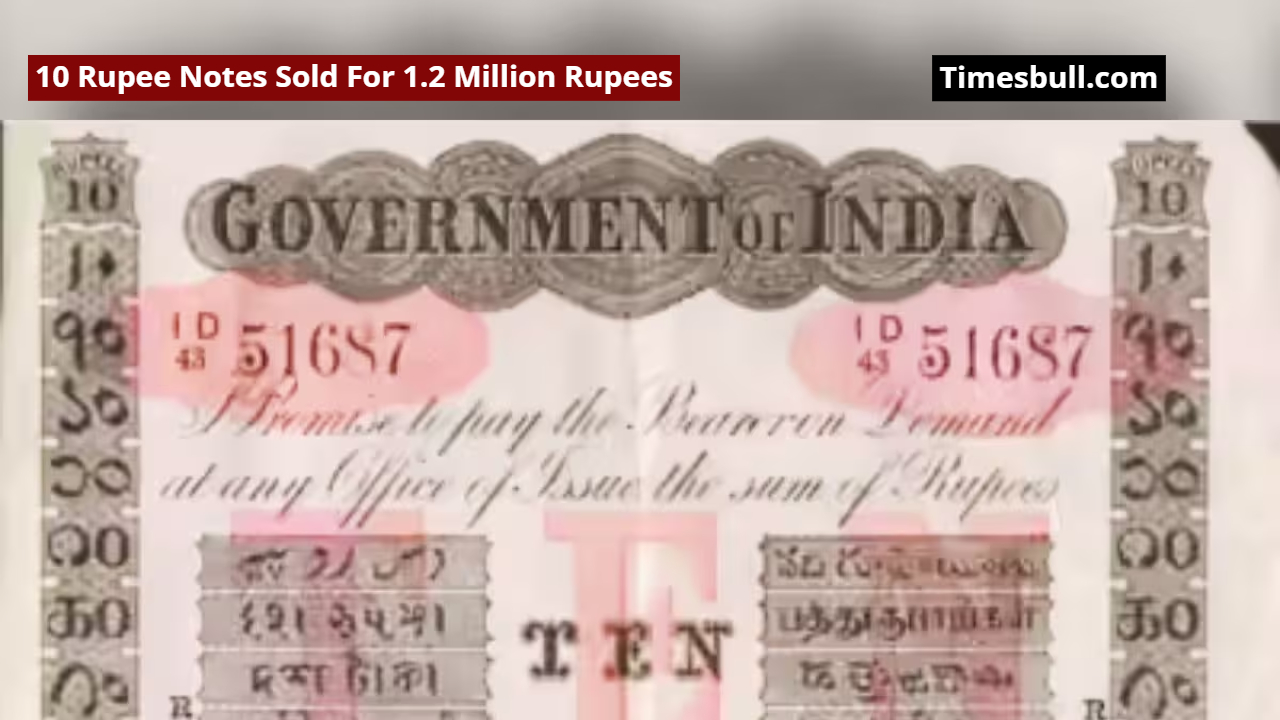
Amid the turbulent backdrop of World War I, an incident occurred that added an extraordinary chapter to the history of Indian currency. This story tells of a ship, its tragic journey, and the rare currency notes that washed ashore, defying the ravages of time and the sea.
Read More- Infinix GT 30 Pro vs Zero 40 5G: Surprising Differences You Should Know
A Ship Sinking in the Midst of War and an Extraordinary Rescue
In 1918, a German U-boat torpedoed the British India Steam Navigation Company’s SS Shirala. The ship was sailing from London to Bombay and was loaded with liquor, everyday supplies, fighting equipment, and bundles of Indian currency. Following the attack, the ship sank on July 2, 1918. Most of the contents sank into the deep waters, but some items were washed ashore by the waves. Among these were two 10-rupee notes, which were found surprisingly intact almost a century later.
How did these 10-rupee notes survive?
These notes were issued on May 25, 1918, and the unique feature was that both were unsigned. It’s said that they were kept in the middle of a tied bundle, preventing water from directly reaching them. The superior quality of the paper further preserved them. Even more interestingly, both notes had consecutive serial numbers, making them even more rare.
Auction Prices Far Higher Than Expected
Nunns Mayfair Auction House offered these unique notes at the World Banknotes Sale on May 29, 2024. Initially, estimates suggested they could fetch between £2,000 and £2,600, or approximately ₹2.10 to ₹2.70 lakh (approximately ₹2.10 to ₹2.70 lakh). However, the historic price at auction was much higher. The first note sold for approximately ₹6.90 lakh (approximately ₹5.80 lakh), bringing the combined value of the two notes to over ₹1.2 million (approximately ₹1.2 million).
A Sensitive Chapter of History Unearthed from the Sea of 1918
The value of these notes reflects not just the currency itself, but the emotions and events associated with them. These notes bear witness to the untold stories hidden between civilian life, the tragedies of war, and a simple voyage. These pieces of Indian currency from World War I have retained their shape, print, and structure, despite remaining at sea for over a hundred years. This in itself is a unique coincidence, making them a rare and precious part of history.
Why Are These Notes More Valuable Than Gold
These notes carry not only monetary value but also emotional and historical heritage. The tragedy of a shipwreck, their survival under difficult conditions, and their almost pristine shape even after a hundred years—all these factors make them a precious treasure for collectors. This is why a simple 10-rupee note was auctioned for lakhs today.