


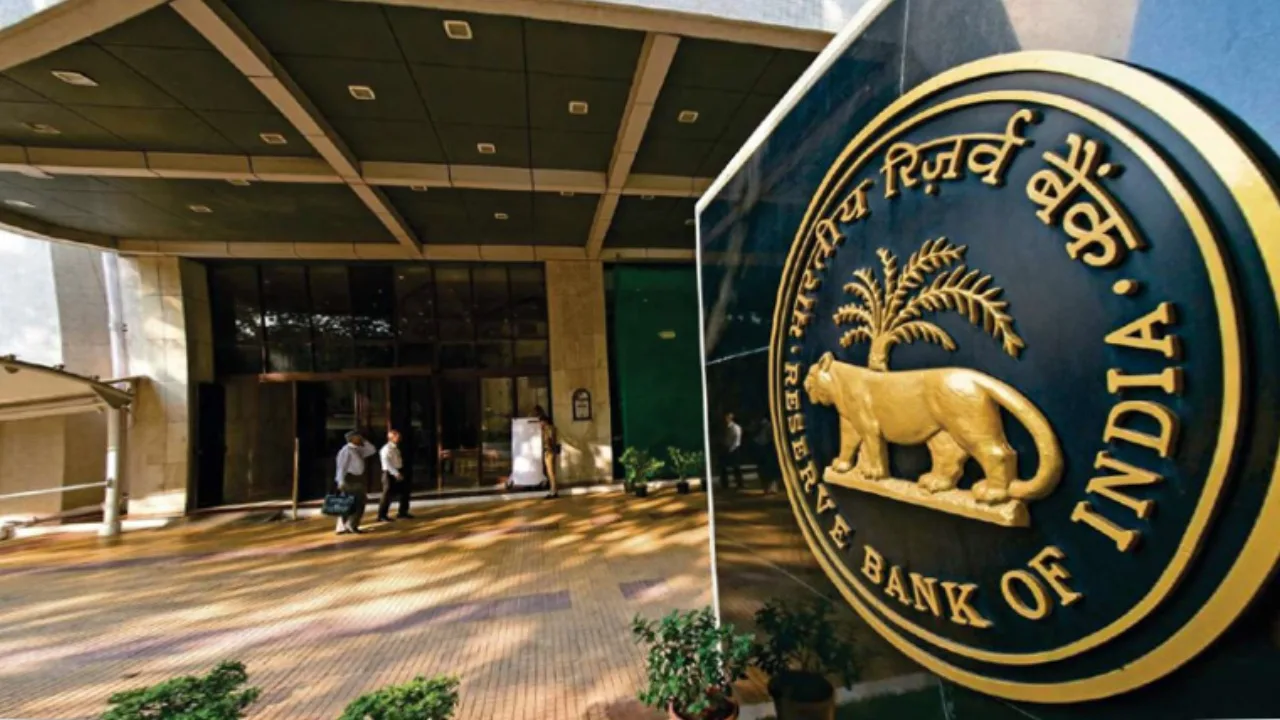
RBI Interest Rate Hike: The potential increase in RBI’s repo rate could lead to higher EMIs for home loans and car loans in the near future. Yes Bank’s recent research report points out that this pressure stems from the tightening stance of the US Federal Reserve and the decreasing interest rate gap between the US and India.
Reasons for the expected interest rate hike in October:
Yes Bank’s report suggests a higher likelihood of the RBI raising the repo rate next month. However, the final decision will be based on domestic growth and inflation indicators. Factors like elevated global crude oil prices, an uptick in retail inflation (CPI) in August, and a surge in core inflation are key drivers that might push the RBI towards more stringent measures.
The impact of the US Federal Reserve’s actions on India:
The recent decision by the US Federal Reserve to raise its policy interest rates and the potential for further hikes are influencing India as well. The narrowing interest rate differential between the two countries due to the US rate increases is affecting the Indian rupee, with foreign portfolio investors (FPIs) pulling funds out of the Indian market.
RBI’s focus on managing liquidity:
The effectiveness of any rate hike will depend on how well the RBI handles excess liquidity in the market. Currently, the weighted average call rate (WACR) stands at 5.05 percent. Consequently, the Reserve Bank will closely monitor market liquidity levels before making any definitive moves regarding the repo rate during the October meeting.
Market analysts suggest that the recent 25 basis point interest rate increase by the Federal Reserve, along with a hawkish dot plot indicating another hike in 2026 and a higher long-term neutral rate of 3.25%, clearly communicates that the strategy of maintaining higher interest rates for an extended period is here to stay.
Impact of US Fed policy on RBI
When the US Federal Reserve adjusts its interest rates, the Reserve Bank of India (RBI) evaluates the potential effects on the interest rate differential, capital flows, and foreign exchange markets. Nonetheless, the RBI primarily bases its monetary policy choices on internal factors such as inflation, economic expansion, and general macroeconomic conditions.
Seema Srivastava, a Senior Research Analyst at SMC Global Securities, predicts that the RBI will likely prolong the period of elevated domestic interest rates, postponing any potential rate cuts until the second or third quarter of 2026 to influence consumer spending and business investment sentiment. Meanwhile, growth industries and high-value midcap companies may experience reduced valuation due to negative global market sentiment.