


Plastic Note ATM: Big news for everyone. For a while now, there has been buzz about the potential introduction of plastic notes, or polymer notes, in India. The Reserve Bank of India (RBI) has revived its previous plan. On July 17, 2026, RBI’s printing company, BRBNMPL, issued a global tender to procure polymer material, or plastic raw material, for trial production of these notes.
This tender aims to acquire around 68,000 reams of material. Reports suggest that the 10-rupee and 20-rupee notes might be chosen for this trial, although the RBI has not officially confirmed which notes will be involved. It has been made clear that this is merely a trial phase; no decision has been made yet regarding the nationwide replacement of these notes.
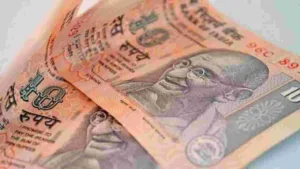
Now, the question arises: if plastic notes are introduced, will the old paper notes be phased out, and will ATMs need to be updated? The government has stated that polymer notes will not replace paper notes; instead, both types will coexist in circulation. So, if you possess old 10 or 20 rupee notes, there’s no need for concern. However, older machines might struggle to count or dispense them accurately.
Understanding the benefits, challenges, and key points
The RBI’s main motivation for introducing plastic notes is their durability, lasting about two and a half to four times longer than paper notes. This longevity reduces the frequency of reprinting, ultimately saving the government money. Additionally, polymer notes are harder to counterfeit. However, they do have a higher resistance to heat.
There have also been issues with plastic notes bending or sticking together, which presents a challenge. Currently, this entire initiative is still in the trial phase. Until the RBI evaluates the outcomes of these trials, the notes will not be released to the public, nor will there be immediate significant changes to ATM machines.