

Often, when we knead dough to make rotis, we make a little more so that the work becomes easier next time. We think that if the dough is kept in the fridge, it will not spoil and we can make rotis again the next morning or after a few hours. But have you ever wondered whether kneaded dough stays safe in the fridge for a long time? This becomes even more important, especially Here’s Why Your Voice Fails During a Cold — The Science Will Surprise You!, Here’s the Truth! the rainy or summer season.
Keeping kneaded dough in the fridge for a long time leads to the growth of bacteria in it, which gradually destroys its nutrients. The rotis made from it may taste good, but from the inside, they can harm your body. This can cause problems like vomiting, diarrhea, stomach pain, and food poisoning. Therefore, it is important to know how long it is safe to keep the dough in the fridge and what things should be kept in mind so that the food remains healthy.
How long should you keep kneaded flour in the fridge

If kneaded flour is kept in a cool place, i.e., refrigerator, it can usually last for 1 to 2 days. But this time also depends on the weather and temperature. These days, both humidity and heat are high, due to which bacteria can grow rapidly. In such weather, flour should be used within 5-6 hours at most. After this, the chances of spoilage increase.
Why is there more danger in the monsoon
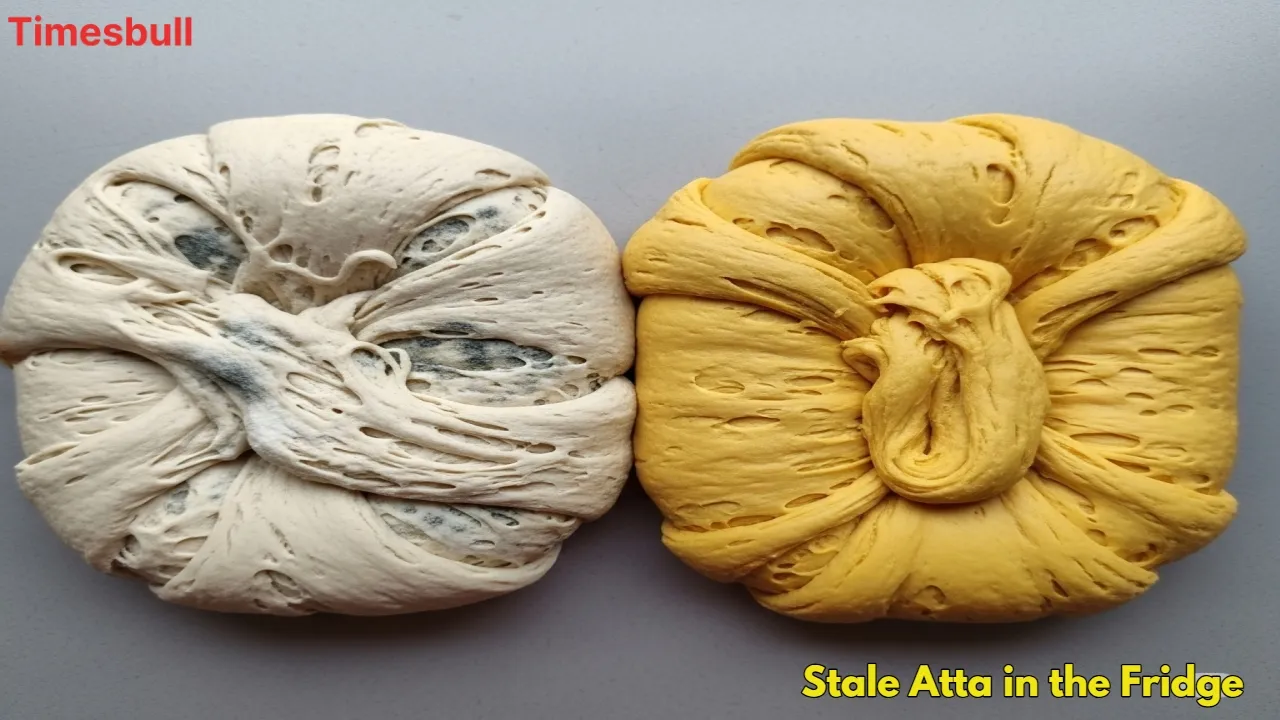
During monsoon, there is moisture in the atmosphere, which creates a favorable environment for the growth of bacteria and fungi. If kneaded flour is kept in the fridge for a long time during this season, then white or green mold can also grow in it, which can be very harmful to your health. This mold can produce toxic elements, which can cause serious health problems. Therefore, it is always best to knead fresh flour during the rainy season. This will act as a protective shield for you and your family’s health.
How to identify stale flour
If some special symptoms are seen in the flour, then it is no longer usable. If the flour starts emitting a sour or strange smell, then it has gone bad. If the color of the flour changes or a white/green spot (fungus) appears on it. If the flour feels sticky or slimy when touched. In some cases, sourness also starts coming from the flour. The roti made from such flour may look fine, but consuming it can cause problems like stomach cramps, gas, vomiting, or diarrhea. Consuming such flour can directly put your health at risk.
If you want to store flour for a long time, then keep it ‘safe’ like this
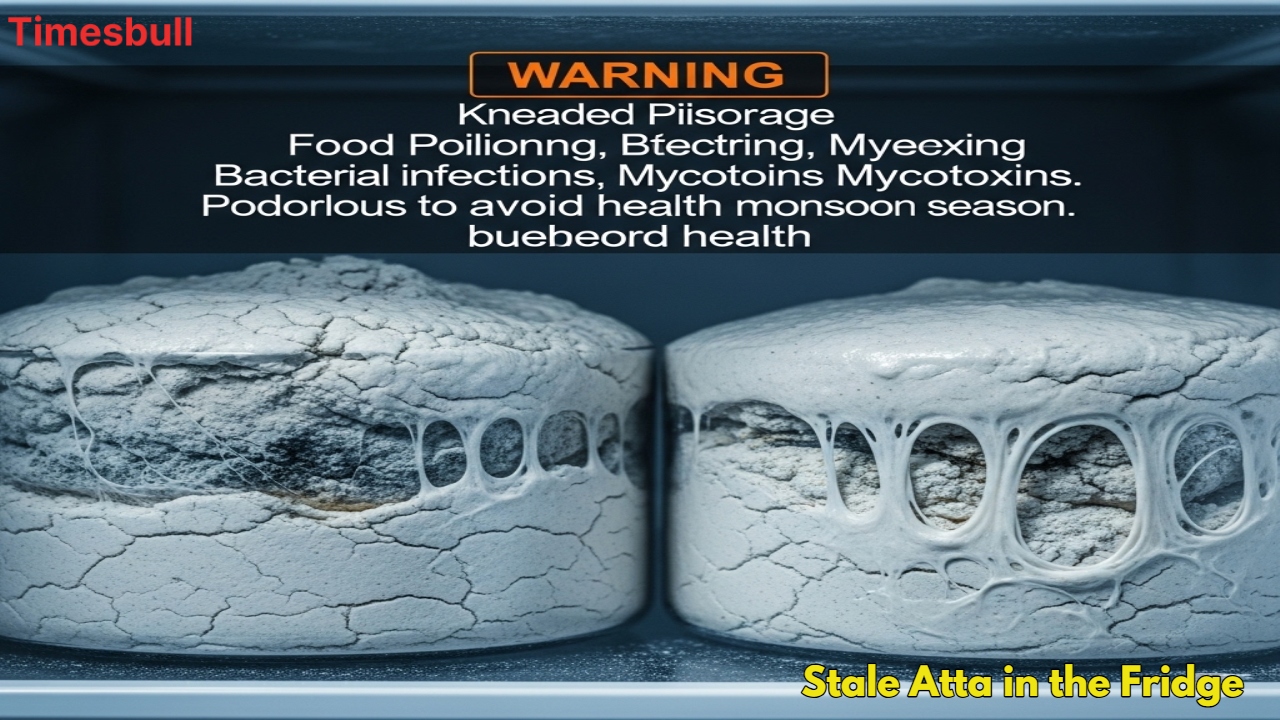
If, for some reason, you have to keep the flour for a little longer, then adopt these methods.
- While kneading the dough, you can add a little salt or lemon juice to it, which increases its shelf life a little.
- Always store kneaded dough in an airtight container. This prevents outside air and bacteria from entering.
- Keep the container in the coldest part of the refrigerator, where the temperature is the lowest.
- Use a clean spoon or hands to take out the dough every time.
- If you want to store it for a long time (like a few weeks), divide the dough into small portions and store it in the freezer. It can remain safe in the freezer for many days.
What Ayurveda and Nutrition Experts Say
Fresh and hot food gives energy to the body, whereas stale or long-stored food can increase toxins in the body. It can imbalance the doshas of the body. Nutrition experts also advise not to store flour for a long time. Freshly kneaded dough is easy to digest and is also rich in nutrients. Stale flour lacks nutrients, and harmful bacteria can grow in it.

