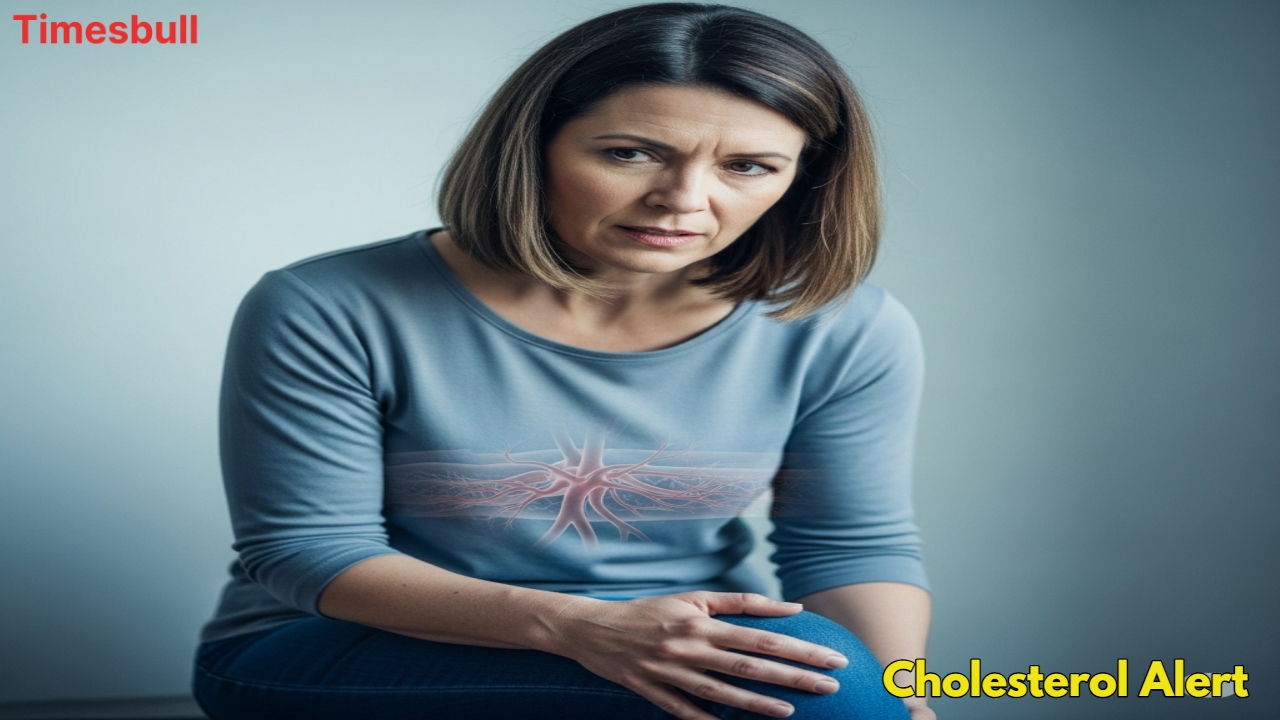
Cholesterol is such a serious problem that if it increases, it can make a person a victim of many life-threatening diseases. It is a type of fat that is found in every cell of the body. It is extremely important for the production of hormones, vitamin D, and substances that help in digestion. Although the body produces it on its own, we also get it from food. There are two types of cholesterol – one is ‘bad’ (Bad Cholesterol or LDL) and the other is ‘good’ (Good Cholesterol or HDL).
‘Bad’ cholesterol can accumulate in the arteries and form plaque, which increases the risk of heart disease. On the other hand, ‘good’ cholesterol helps in improving heart health by removing excess cholesterol from the arteries. When the cholesterol level becomes very high, some early symptoms start appearing in the body. In this article, we will explain in detail about those early signs, which are extremely important for you to recognize.
Early symptoms seen in the body when cholesterol increases
If you are feeling any of these symptoms repeatedly, then be alert immediately and consult a doctor:
Pain or discomfort in the legs

Pain or cramps in the legs, especially during or after exercise, can be a sign of Peripheral Artery Disease (PAD), which is often related to high cholesterol. This happens when blood flow in the arteries of the legs decreases.
Breathing problems
When cholesterol levels rise, narrowing of the arteries that carry blood to the lungs can cause difficulty in breathing. This indicates that there is pressure on your heart and lungs.
Fatigue and weakness
Lack of blood and oxygen due to high cholesterol can cause constant fatigue and weakness. The body does not get enough energy, making everyday tasks difficult.
Numbness or tingling

Due to a decrease in blood supply to the hands, feet, or other parts of the body, numbness or tingling may occur. This is often the result of pressure on nerves.
Yellow Deposits Around the Eyes
This may be due to cholesterol deposits, also known as Xanthelasma. These yellow spots often appear on or around the eyelids.
Chest pain
Reduced blood flow to the heart due to cholesterol deposits can cause chest pain or discomfort, especially when doing physical activity. This can be a symptom of angina and should not be taken lightly.
Cold hands and feet
Poor blood flow due to high cholesterol can cause temperature changes in the hands and feet, making them often feel cold. This is another sign of blockage in the arteries.

What to do to keep cholesterol under control
If you feel any of these symptoms, contact a doctor immediately. The doctor will check your cholesterol levels and give you the right advice. Lifestyle changes are very important to control cholesterol:
Balanced Diet
Regular Exercise
Weight Management
Avoid Smoking and Alcohol
Reduce Stress
Latest News
- NEET UG 2026 – Haryana & Bihar Announce Free Bus Service for Candidates on June 20-21

- PM Kisan 23rd Installment: Farmers to get Rs 2000 in June? Know Here

- Best Premium Smartwatches Under ₹10,000: Upgrade to Luxury Metallic Builds, AMOLED Screens, and In-Built GPS

- Maruti Dzire CNG Continues Dominance – Fuel Efficient Sedan Wins Indian Families

- Vivo Y600 Turbo Set to Debut: Featuring a 165Hz Display, Dimensity 8500, and a Massive 9,020mAh Battery

- HMD Vibe 2 5G Debuts in India with 6000mAh Battery & 50MP Camera: Get It For Just ₹9,499 With Launch Offers

- 8th Pay Commission लागू होते ही कितना हो जाएगा फिटमेंट फैक्टर, चेक करें अपडेट

- Oppo Find X9 Ultra Launched in India: Check Reliance Digital Price, Bank Offers, and Flagship Specs

- Electricity Bill Saving– How to Save Power During Summer Heat? Here Are the Few Tips

- Gold-Silver Rate – Gold ₹44,396 per 10 grams & Silver ₹1,85,462 per kg cheaper from the Peak