Union Budget 2026-27: On February 1, 2026, Finance Minister Nirmala Sitharaman presented the Budget 2026-27 in India. During this budget, the government’s focus was clearly on further strengthening a self-reliant India.
The main objective of this budget is to promote domestically manufactured electronic goods and reduce dependence on expensive imported products. To this end, the government has reduced customs duty on some parts of home appliances, making manufacturing cheaper in the country.
Read More: 6 New Cars Launching in February 2026 – SUVs MPV Petrol Diesel and EV Options
Meanwhile, taxes have been increased on some imported and professional machines to strengthen the ‘Make in India’ initiative. Let’s tell you more about this in detail…
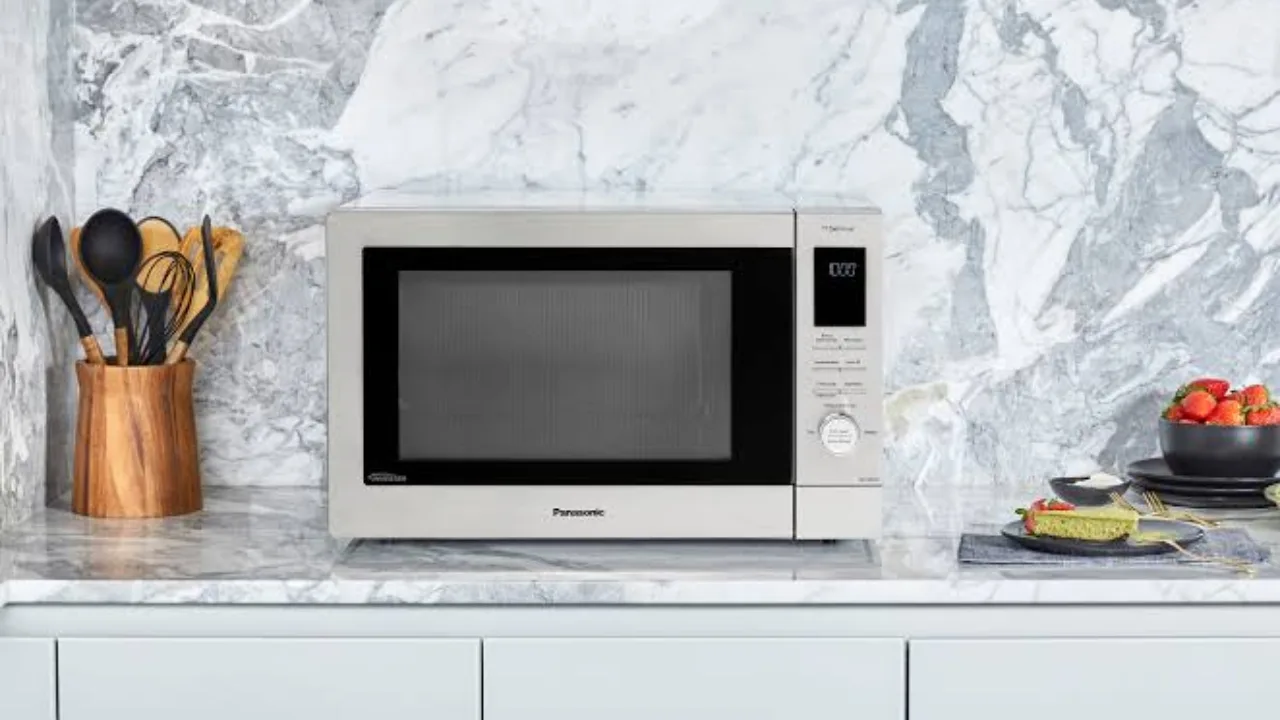
Microwave Ovens
The 2026 budget provides relief in the case of microwave ovens. The government has completely eliminated the Basic Customs Duty (BCD) on some specific parts and components used in the manufacturing of these microwave ovens.
This will make it even cheaper for companies to manufacture microwave ovens. This change will reduce production costs, which could lead to lower prices for microwave ovens in the future, benefiting ordinary consumers and making kitchen appliances more affordable.
Coffee Machines
If you are a coffee enthusiast, a significant change has been made in this Union Budget 2026. The government has removed the exemption on Basic Customs Duty (BCD) for machines used for roasting and brewing coffee.
Read More: SGB Tax Rules Changed: Government Imposes New Tax on Sovereign Gold Bonds
This clearly means that professional coffee machines imported into India will now be subject to higher taxes. This change will directly impact imported coffee machines used in cafes, hotels, and restaurants, making them more expensive and potentially increasing business costs.
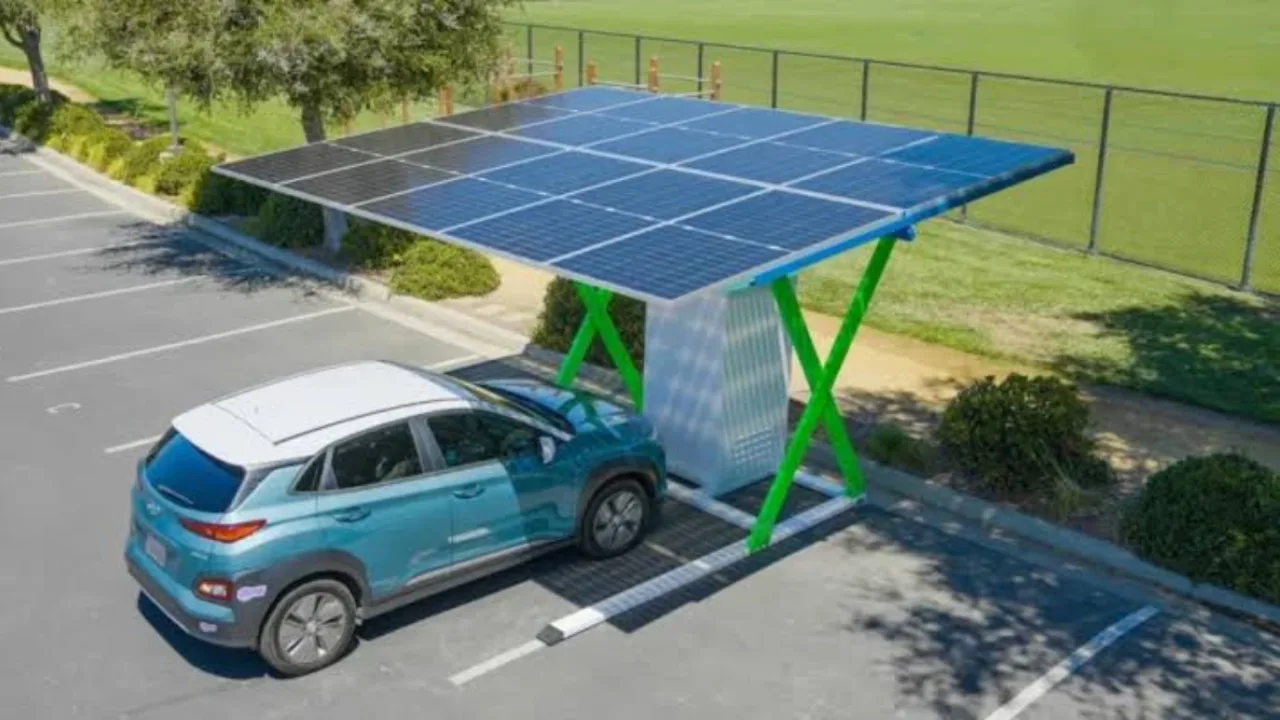
EV Batteries & Solar Panels
The Union Budget 2026 also includes provisions to promote electric vehicles and solar panels. The Basic Customs Duty (BCD) on raw materials (Sodium Antimonate) used in the manufacturing of cells for Li-ion batteries and solar glass for solar panels has now been completely waived. This makes importing these essential components from abroad cheaper.
This will directly benefit manufacturers of electric vehicles and solar power systems by reducing their costs, leading to lower EV Battery prices. Furthermore, installing solar energy systems will become even more affordable and easier for many homes and businesses.