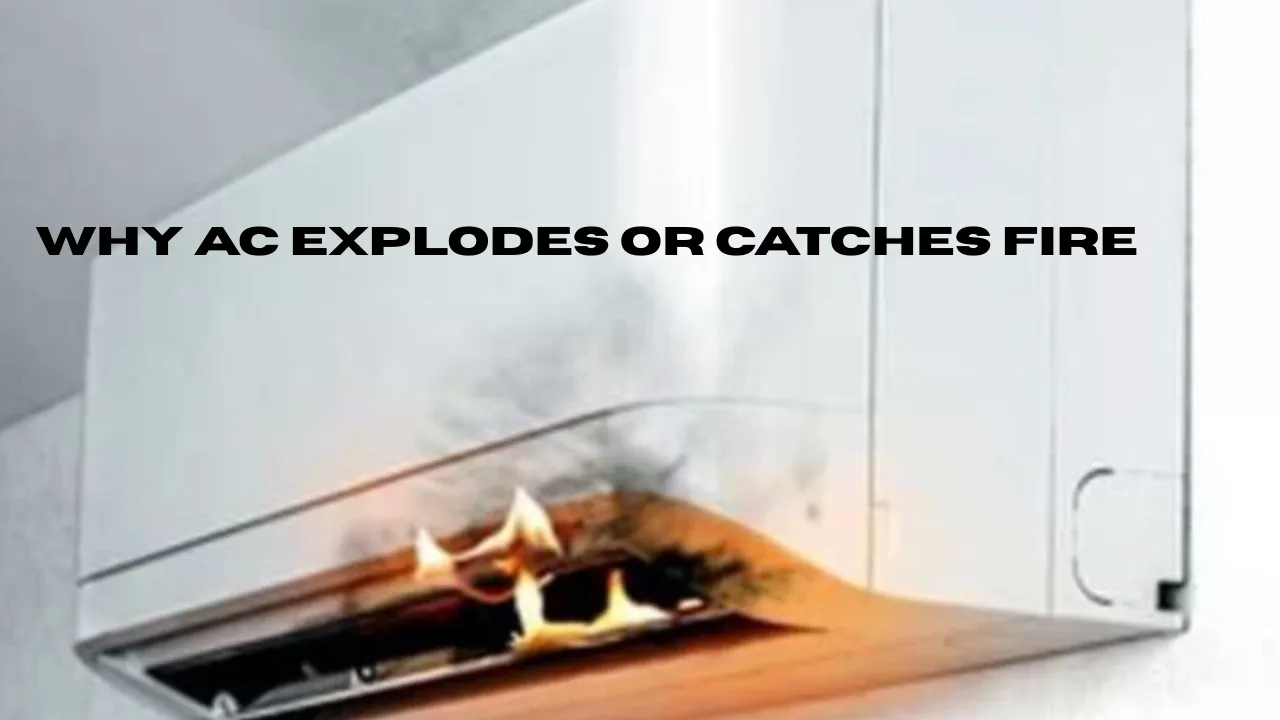
Why AC Explodes or Catches Fire : During peak summer, air conditioners run for long hours and become one of the most used appliances at home. But many people ignore one serious issue — AC blasts and fire accidents. While AC explosions are rare, they can happen because of poor maintenance, electrical faults, overheating, or gas leakage.
Many recent incidents have shown that simple mistakes like dirty filters, faulty wiring, or running the AC continuously for too long can create dangerous situations. Understanding these reasons can help prevent serious accidents and keep your home safe.
Key Highlights
• AC explosions usually happen due to overheating or electrical faults
• Refrigerant gas leaks can create fire risk
• Dirty filters and blocked airflow increase compressor pressure
• Faulty wiring and loose connections can cause short circuits
• Running AC continuously for very long hours can overheat the unit
• Poor installation by untrained technicians increases danger
• Voltage fluctuations can damage internal parts
• Regular servicing helps prevent most AC accidents
• Certified technicians should always handle gas refilling and repairs
AC Safety – Key Highlights
- Common Cause : Overheating
- Electrical Risk : Short Circuit / Faulty Wiring
- Gas Risk : Refrigerant Leakage
- Maintenance Issue : Dirty Filters and Coils
- Installation Problem : Poor Fitting / Wrong Wiring
- Summer Risk : Continuous Long Usage
- Voltage Issue : Sudden Power Fluctuation
- Safety Step : Regular Professional Servicing
- Repair Advice : Use Certified Technician Only
- Extra Protection : Stabilizer + Proper Ventilation
Main Reasons Behind AC Fire
One of the biggest reasons behind AC fires is overheating. When filters become dirty or airflow gets blocked, the compressor has to work harder. This increases internal heat and pressure, which may lead to fire or even blast situations.
Another major reason is electrical faults. Loose wiring, damaged cables, overloaded circuits, or poor-quality sockets can create sparks and short circuits. This becomes more dangerous during high summer load when the AC runs for many hours.
Refrigerant Gas Leakage
Refrigerant gas leakage is also a serious issue. If the cooling gas leaks and comes in contact with a spark or faulty electrical part, it may trigger fire or explosion.
This is why gas refilling should always be done by trained professionals and only approved refrigerants should be used.
Using cheap or unsafe gas during servicing can make the problem even worse. Many accidents happen because people choose low-cost repairs without checking technician quality.
Continuous Usage Problem
Running the AC continuously for long hours without giving it a break can also cause overheating. In extreme summer temperatures, the compressor stays under heavy pressure and may fail if the system is already weak.
Giving short breaks between long usage hours helps reduce pressure on the machine and improves the overall life of the AC.
Safety Tips to Prevent AC Fire
• Get your AC serviced before every summer season
• Clean filters and coils regularly
• Check wiring and power connections properly
• Never ignore burning smell or strange noise
• Use stabilizer if voltage fluctuations are common
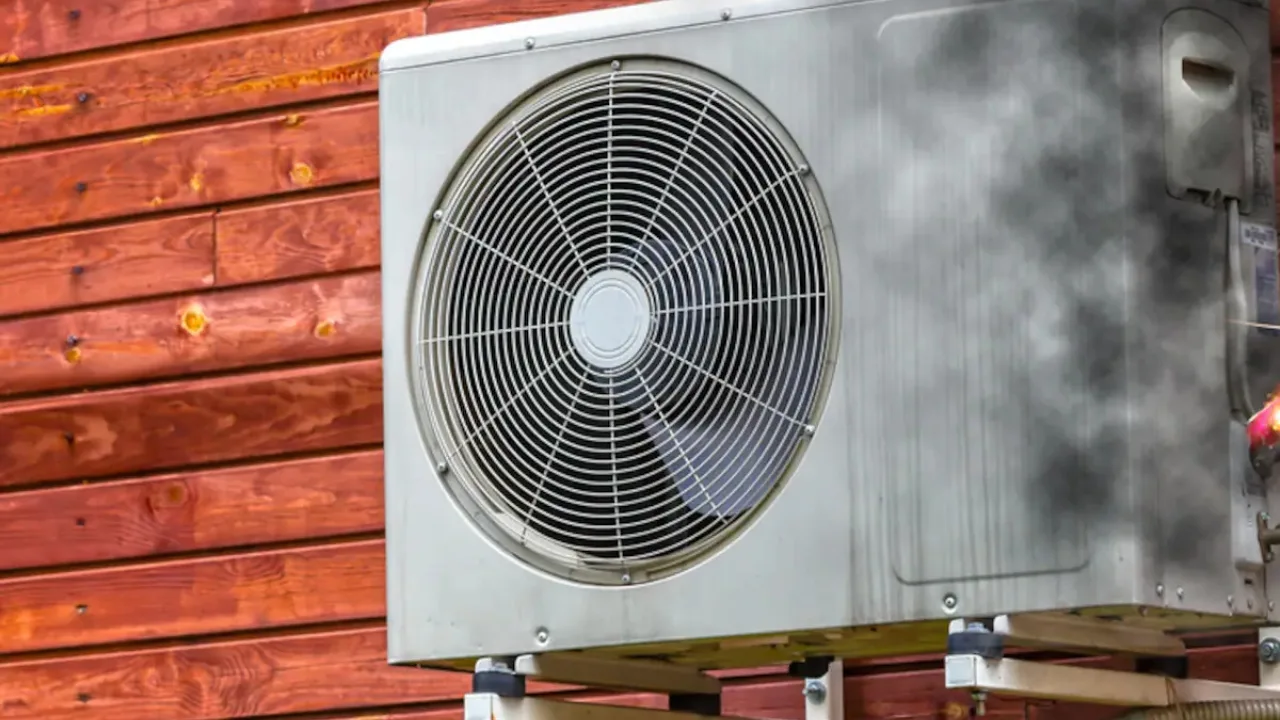
• Keep outdoor unit clean and properly ventilated
• Do not switch on the AC during repair work
• Always use certified technicians for installation and gas refill
Regular maintenance and proper installation are the most important steps to avoid dangerous AC accidents.
Why This Matters
Many people think AC fire accidents happen suddenly, but most cases start with small warning signs like weak cooling, strange smell, unusual sounds, or repeated breaker trips. Ignoring these signs can turn a small issue into a dangerous accident.
Simple care and timely servicing can prevent expensive damage and protect your family from serious risk.
Who Should Be Extra Careful
Families using old AC units, people living in high-temperature cities, and homes where AC runs almost all day should be more careful. Small rooms with poor ventilation also increase the risk.
If your AC is old, noisy, or showing cooling problems, getting it checked early is much better than waiting for a major failure.