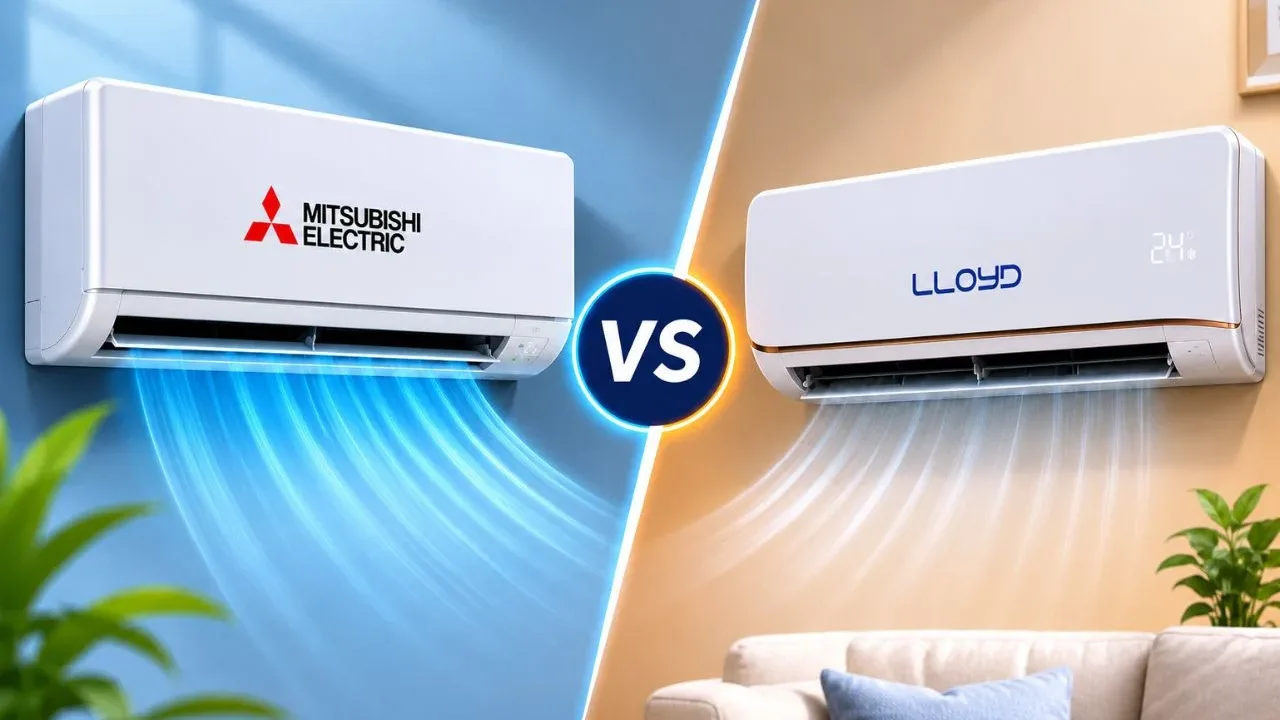
Choosing the right air conditioner in 2026 isnt just about cooling. People are paying attention to how quiet it feels, where the electricity savings land, how smart the controls are, and whether it will keep working without drama for years. In India, Mitsubishi and Lloyd are both super common AC names, but they really don’t aim at the same buyer type. Mitsubishi leans toward premium engineering and long-lasting reliability, while Lloyd tends to win with lower pricing plus modern convenience features.
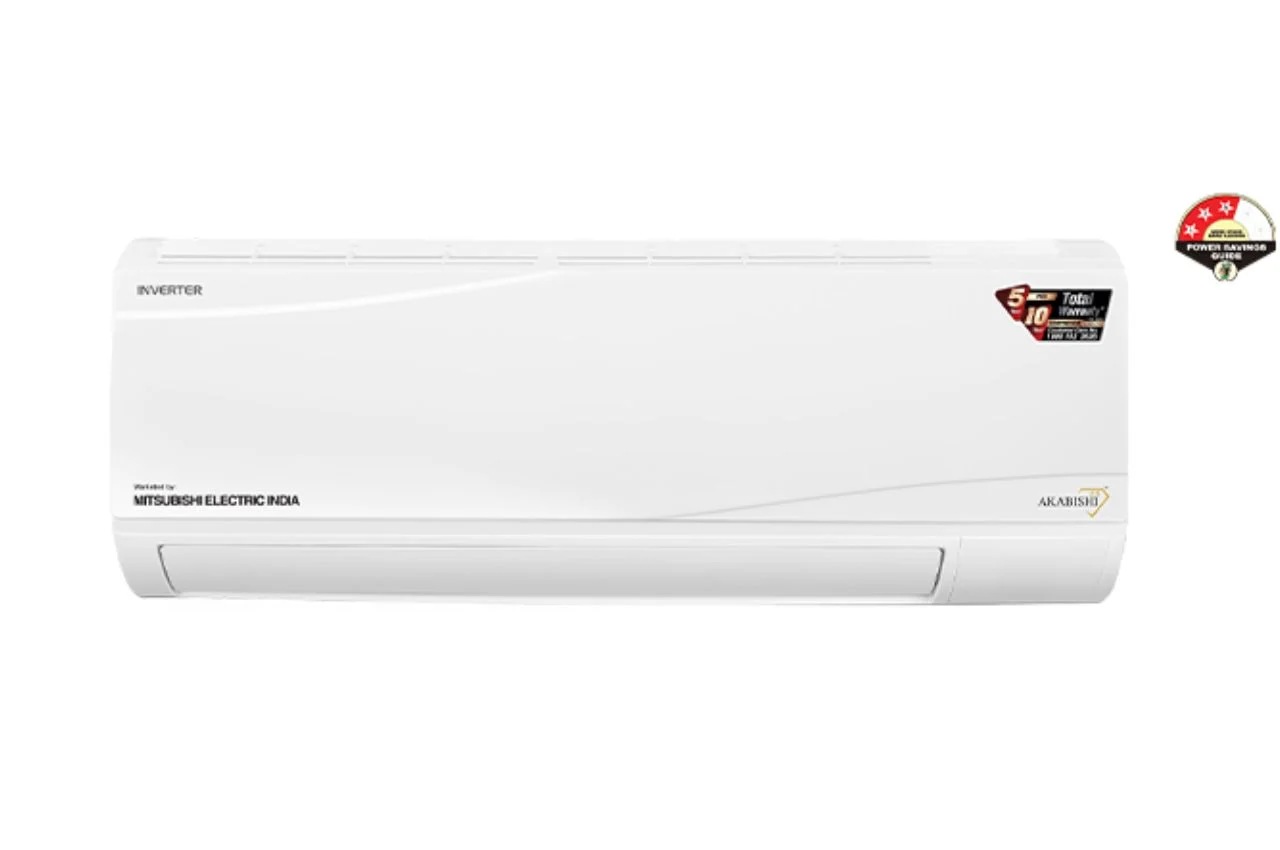
Mitsubishi AC build quality and durability
Mitsubishi air conditioners are often talked about as having more industrial-leaning engineering. They’re made for users who want maximum durability and dependable cooling for many years. In practice, you’ll see reinforced outdoor units , anti-corrosion layers, tough copper tubing, and compressors built for continuous load, so they handle extreme Indian summers without losing confidence. Even if you are in coastal belts or areas with heavy humidity and everyday pollution, Mitsubishi ACs usually keep their cooling strong with minimal upkeep. Most people pick Mitsubishi mainly for long-term peace of mind , not because they’re chasing every “smart” gimmick.
Lloyd AC features and smart technology
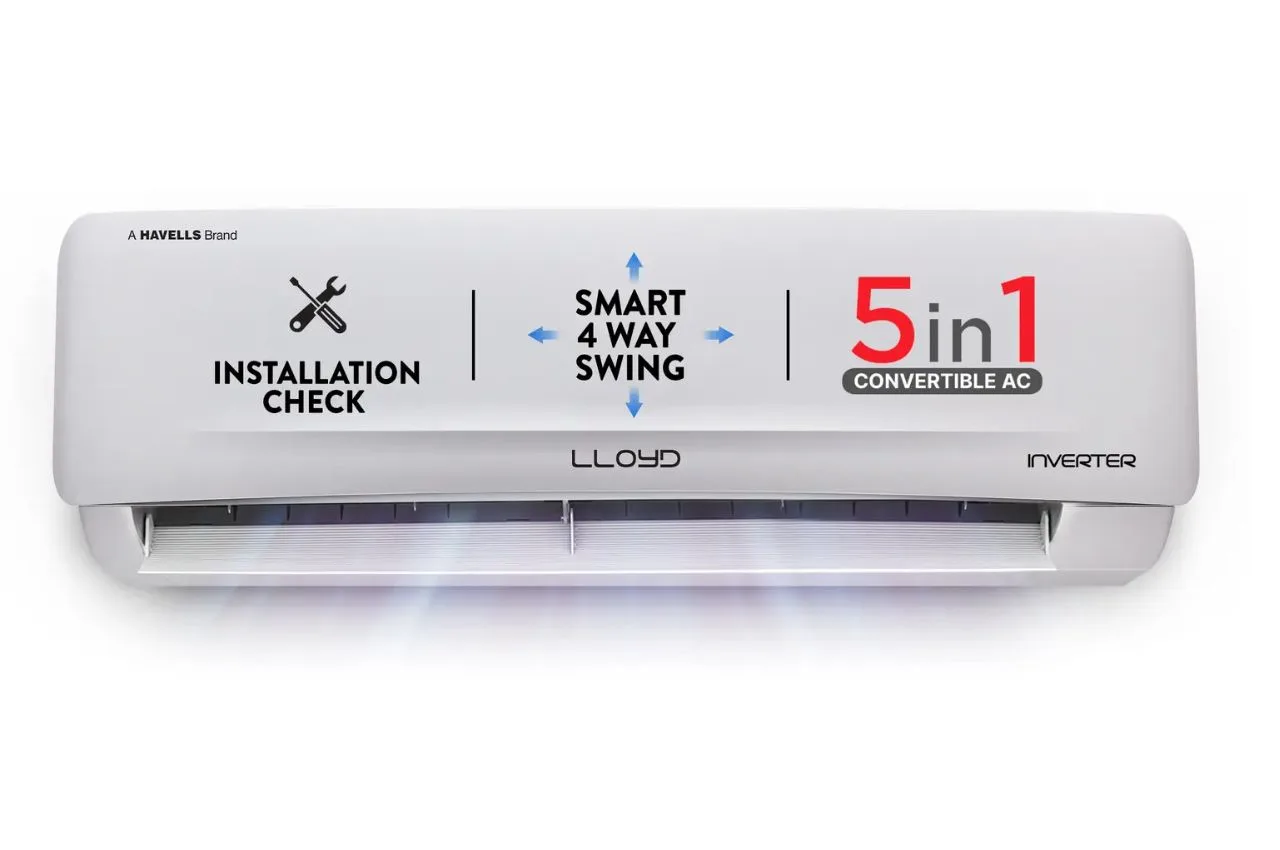
Lloyd really tends to lean towards value for money products, with modern smart features at prices most people can actually manage. a lot of Lloyd AC models come with Wi-Fi support, convertible cooling modes, turbo cooling, hidden display panels and they also work smoothly with Alexa or Google Assistant.
Visually the design of Lloyd ACs feels kinda modern and consumer friendly. They seem especially good for buyers who are after feature rich performance without going into that premium flagship AC pricing.
Because Lloyd is backed by Havells, the after sales service network is pretty easy to access, across India, and it’s noticeable even in smaller cities and towns
Cooling performance and compressor comparison
Mitsubishi uses tropical rotary compressors, these are engineered for extreme temperatures, like 50°C and beyond. The idea is that they can keep cooling more stable even in very hot terrace rooms or big spaces that get direct sunlight.
Lloyd ACs too do offer strong cooling, with quick turbo cooling modes and inverter compressors. Still, when the heat stays heavy for long stretches, Mitsubishi usually feels more consistent, mainly due to premium compressor tuning and electronic cooling management.
For everyday household usage in normal Indian weather, Lloyd continues to deliver very good cooling output, just at a much lower cost.
Noise levels and comfort
In terms of how quiet everything feels, Mitsubishi kind of takes the lead. Their AC units do silent cooling at really low noise levels, roughly 19 to 27 decibels when they are in the silent or low mode. That makes them pretty handy for bedrooms, offices, and that whole “premium setup” kind of vibe.
Lloyd ACs still manage solid airflow and decent cooling reach, but they tend to run a bit louder than Mitsubishi. For most people the noise stays in a comfortable range, yet if someone is chasing that ultra quiet feel, Mitsubishi is usually the safer pick.
Smart features and long term value
Now, if we talk about smart features for the money, Lloyd feels like the winner. Even their mid range ACs tend to include a good set of upgrades like built in Wi‑Fi, app control that works through a smart interface, Alexa plus Google Assistant compatibility, convertible cooling modes, and turbo cooling features too.
Mitsubishi, on the other hand, keeps app control mainly for their premium, high end options. So customers often end up paying a lot more just to get those smart extras, and yeah that gap can be noticeable.
Still, Mitsubishi kind of makes up for it with reliability. They usually need fewer repairs, and they also seem to last longer in day to day use. A lot of Mitsubishi units can go beyond 10 years quite comfortably, assuming basic upkeep is done.
Mitsubishi AC vs Lloyd AC price comparison
On price, Mitsubishi generally sits in the premium tier. You can expect starting prices around ₹55,000 and it can go above ₹75,000 for the more advanced models.
Lloyd stays more budget friendly, with most popular inverter split AC models landing between ₹32,000 and ₹45,000.
So overall, Lloyd feels more attractive for cost conscious buyers, while Mitsubishi leans toward premium customers who care more about long life, durability, and consistent performance.