


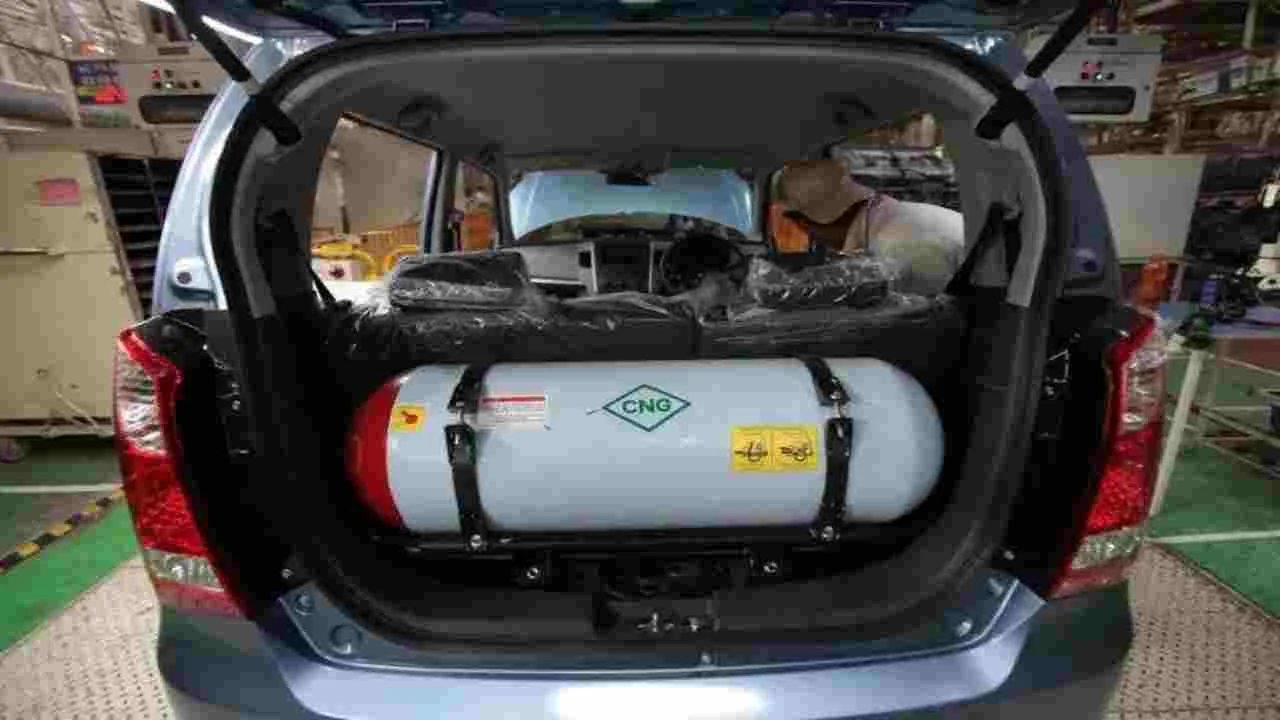
CNG: To boost the safety of CNG vehicles, IGL (Indraprastha Gas Limited) has rolled out an innovative Automated Vehicle Recognition and Verification System powered by technology. Right now, this system is operating at just 10 IGL stations.
The system works by cross-referencing vehicle registration numbers with CNG cylinder hydro-test certificate records. It’s designed to spot vehicles that have expired or invalid CNG cylinder hydro-test certificates. This marks the first phase of a comprehensive digital safety initiative.
How does IGL’s system operate?
This tech-driven system uses cameras to snap photos of vehicle registration numbers. Once captured, these numbers go through a verification process. The registration information is then fed into an AI-powered application that checks the CNG cylinder details.
Next, the cylinder’s status gets validated using the Petroleum and Explosives Safety Organization (PESO) portal. The system displays whether the vehicle’s CNG cylinder is still valid or has passed its expiration date. This gives the station instant access to CNG cylinder information in real time.
When a vehicle’s certificate isn’t valid, the station receives an automatic alert. By automating this process, the system cuts down on manual inspection work and builds a valuable database to catch CNG vehicles that aren’t meeting safety requirements.
Refueling will be blocked for vehicles that don’t meet standards. IGL plans to expand this technology across all its stations soon. According to safety rules, every CNG cylinder needs hydro-testing at a PESO-certified testing facility every three years. The police administration issued this order under Section 163 of the Indian Civil Security Code (BNSS). This order will apply within the jurisdiction of the Amritsar City Commissionerate.
DCP City Amritsar Akarshi Jain (IPS) shared that numerous vehicles were operating throughout the city without high-security registration plates (HSRP) or with damaged and modified number plates.
He explained that these vehicles not only clearly breach the Motor Vehicles Act, but are frequently involved in robberies, collisions, and other major offenses. Tracking down those responsible becomes challenging. DCP Akarshi Jain noted that, considering these important issues, the Amritsar Police Commissioner, using his magisterial authority, has released fresh directives under Section 163 of the BNSS.
What do the orders include?
According to this directive, all petrol pumps across the city have been firmly instructed to refuse fuel—petrol, diesel, or CNG—to any vehicle lacking a high-security registration plate (HSRP) or having a damaged or altered number plate. This requirement covers two-wheelers, three-wheelers, four-wheelers, and commercial vehicles alike.
That said, emergency vehicles like ambulances and vehicles with temporary registration numbers are excluded from this requirement. Additionally, the distribution of loose petrol in plastic or glass containers has been entirely prohibited. Violators will face strict legal penalties. Petrol pump operators have enthusiastically endorsed this initiative by the police department.