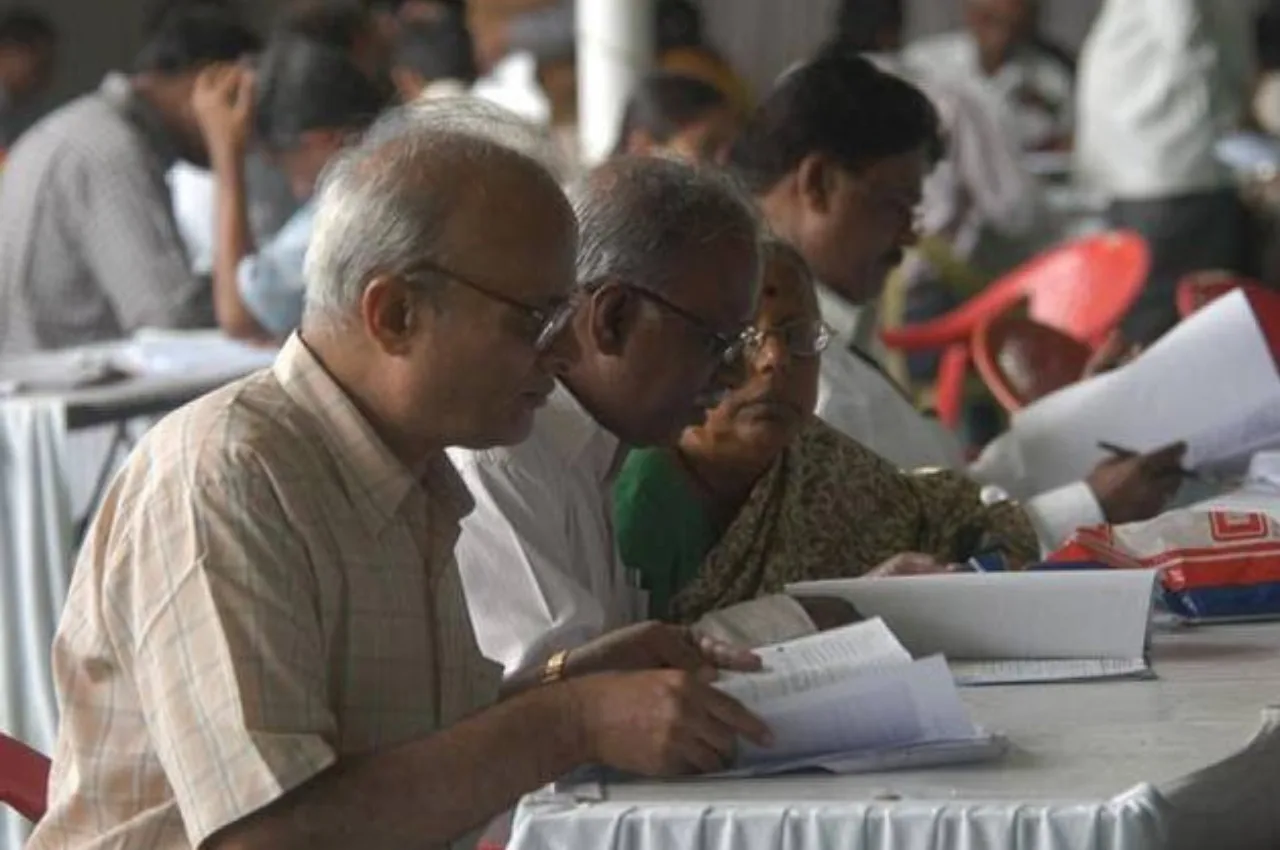
Retirement Age Update: The Haryana government has introduced a significant change to the retirement age for disabled and visually impaired government employees. With this new decision, the retirement age for these employees has been lowered from 60 to 58 years. The state has put into effect the Haryana Civil Services (General) Amendment Rules, 2026, which have received approval from the Finance Department.
Get the scoop on the government’s new regulations
According to the latest rules, disabled employees with a disability of 70 percent or more, along with blind employees, will now retire at 58. However, this change does not apply to Group D employees and judicial officers, who will continue to retire at 60, just like before. The government has also made it clear that one-eyed employees will not be classified as blind or disabled under this rule, meaning they too will retire at 58.
Mandatory medical exams in these situations
This updated rule is now in effect across all state departments. The government has also issued a formal notification to the relevant departments. One significant change in this amendment is the removal of a previous provision that allowed for service extensions for employees who became disabled while working. This option has been eliminated.
However, under the new rules, if an employee becomes disabled during their service, they must notify their department head three months before turning 58. After that, they will undergo a medical examination at PGIMS, Rohtak. The appointing authority will then decide whether to keep the employee on after they reach 58 based on the medical report.
The Haryana government has already tightened the rules regarding re-employment after retirement. According to revised guidelines issued about six months ago, under Rule 143 of the Haryana Civil Services (General) Rules, 2016, re-employment after the age of 58 can now be permitted only in exceptional circumstances, for a maximum period of two years. Chief Secretary Anurag Rastogi has issued an official letter to all administrative secretaries, department heads, divisional commissioners, and deputy commissioners in this regard.

Sweta Mitra
Working in the media for last 7 years. The journey started in the year 2018. For the past few years, my working experience has been in Bengali media. Currently working at Timesbull.com. Here I write like Business, National, and Utility News. My favorite hobbies are listening to music, traveling, food,...
Related Stories
 India
India Business
 Business
 Business
 Business
 India
India Business
 Education
 Business
 Business