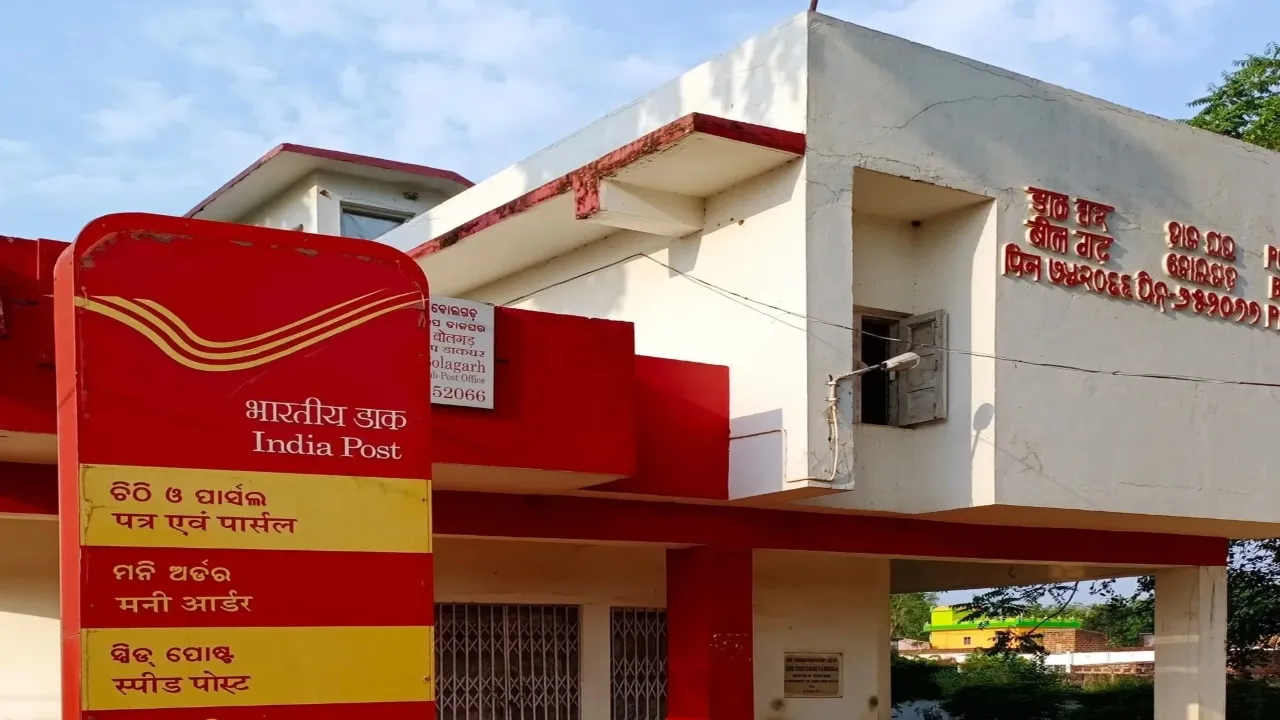
Post Office Scheme: In today’s economic era, everyone wants to earn big money. If you also want to save small amounts and build a large fund, Business Idea: Start These 4 Businesses With Low Investment, Then Earn Big Every Month” the Post Office Recurring Deposit (RD) scheme can prove to be a better option for you. This scheme does not require capital to be blocked all at once.
In a recurring deposit, you can deposit small amounts every month like a mutual fund SIP. The Post Office also provides the facility to open a recurring deposit account. The interest on a recurring deposit is also similar to that of an FD. This also encourages long-term investment.
This scheme offers a 6.7 percent annual return. It offers compound interest, meaning you earn interest on interest. So, if you invest Rs 5,000 per month in this scheme for five consecutive years, you’ll invest a total of Rs 3 lakh. Upon maturity, you’ll receive a total of Rs 356,830. Consequently, you’ll earn a total profit of Rs 56,830.
Know what is the RD Scheme of Post Office?
The Post Office RD scheme is considered a good investment option. You can open an account with a deposit of just Rs 100. There is no maximum deposit limit. Minors over 10 years of age can also open an account with their parents. After turning 18, they will need to complete a new KYC and form.
However, the Post Office RD has a 5-year term. This means you’ll have to wait at least five years to invest. If you wish, you can close the account three years after opening. If the account holder dies, the nominee can either claim the proceeds or continue the account. You can also open this account through mobile banking or e-banking. Post Office Recurring Deposits offer a fixed return of 6.7%. You can invest as little as Rs 100 in this scheme. However, to accumulate a corpus of Rs 1.7 million, you’ll need to invest Rs 333 daily. That’s approximately Rs 10,000 per month. If you invest Rs 10,000 per month, you can easily accumulate a corpus of Rs 1.7 million in just a few years.
Desclaimer: For any financial invest anywhere on your own responsibility, Times Bull will not be responsible for it.