
New Financial Rules Effective from April 1, 2026: March marks the final month of the financial year, and it is currently in its concluding phase. In just two days—with the arrival of April—a new financial year is set to begin, a prospect that has generated considerable excitement among the public. However, did you know that the first day of any month holds significant importance?
Major changes are often observed in various rules and regulations on this day. With the commencement of the new financial year (2026–2027), a host of regulations—ranging from banking and taxation to gas services and travel—are slated to change. These modifications will have a direct impact on your finances. However, certain changes will offer some relief to your pocket. You can find out exactly what these upcoming changes are in the article below.
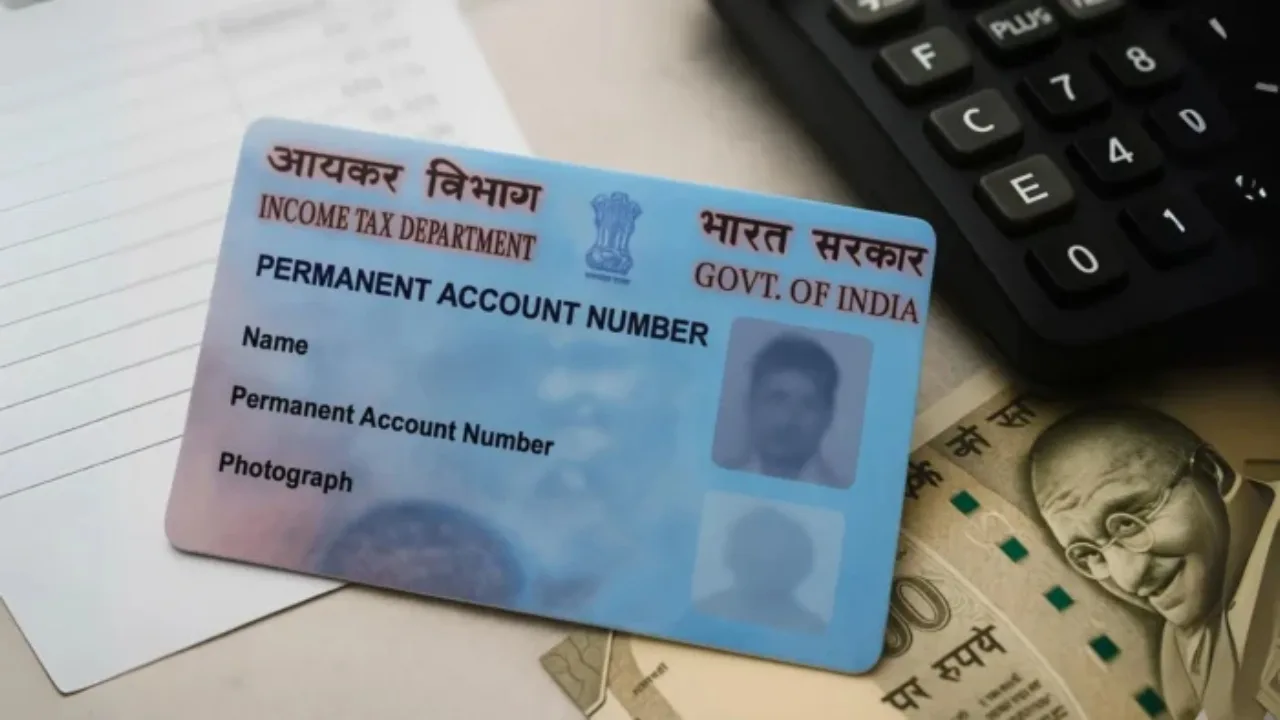
Understanding the New Tax System in Simple Terms
Did you know that the most significant changes are being witnessed in tax laws? Under the new framework, the Income Tax Act, 2025, will replace the old Tax Act that has been in force since 1961. Taxpayers can now bid farewell to confusing terminology; terms such as “Assessment Year” and “Previous Year” will be replaced by a single, straightforward Tax Year.
Income Exempt from Taxation
The Government of India is set to provide significant relief under the new tax regime. If your annual income is up to ₹12 lakh, you will not be required to pay any tax whatsoever. The middle class stands to benefit significantly from the increased rebate available under Section 87A.
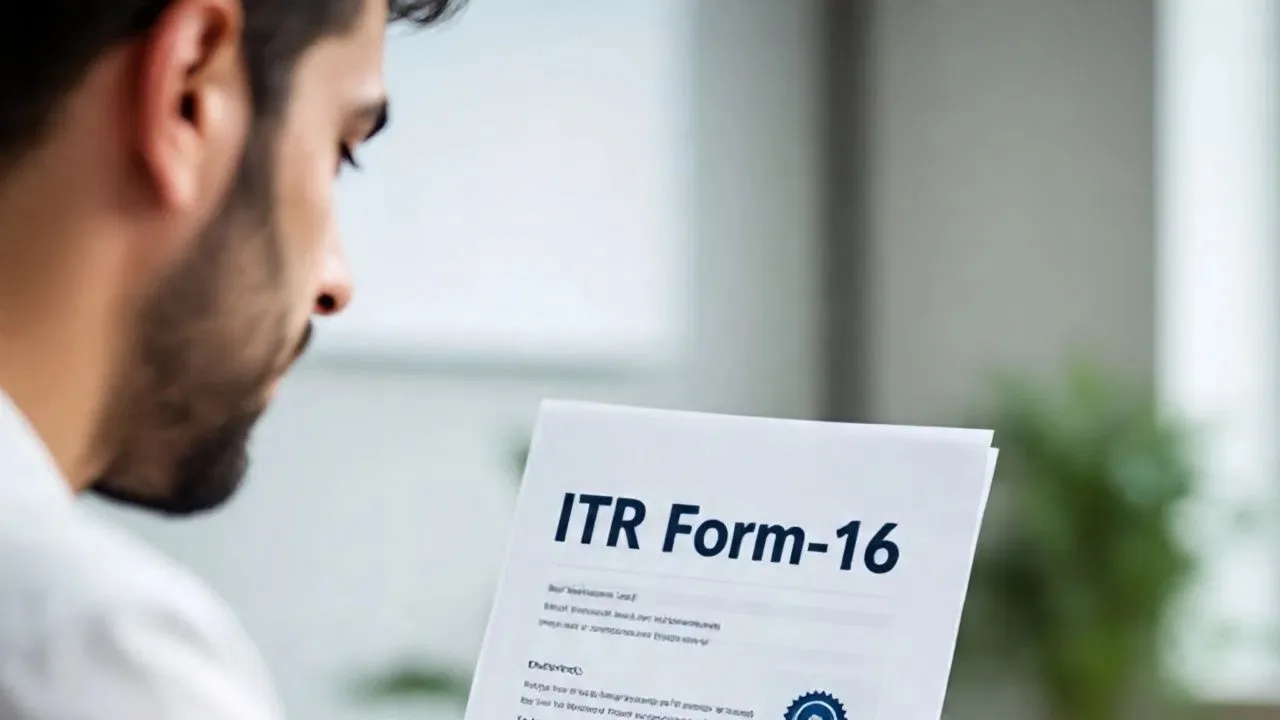
New Forms to Replace Form 16
Effective April 1, the currently used Forms 16 and 16A will be replaced by Form 130 and Form 131. This change is expected to make tax reporting even clearer and more streamlined.
Stricter Rules for PAN Cards
The regulations governing the issuance of PAN cards are also set to change. Consequently, obtaining a PAN card is likely to become a more stringent and complex process. Simply submitting an Aadhaar card will no longer suffice for a PAN application; the submission of additional supporting documents will now be mandatory. Documents such as a Class 10th marksheet or a passport will be required for this purpose. **Know the Latest Prices for Cooking Gas and Futures**
Meanwhile, a revision in the prices of domestic LPG cylinders is likely on April 1st. Additionally, prices for CNG, PNG, and ATF (Aviation Fuel) may also undergo changes. These adjustments will impact your daily expenses as well as airfares.
ATM Withdrawals to Become More Expensive
Withdrawing cash from ATMs is set to become slightly more expensive. Banks such as HDFC will now count ATM withdrawals made via UPI towards the free transaction limit. Furthermore, a fee of ₹23 will be charged for every withdrawal made after the first five transactions. Additionally, at Bandhan Bank, a penalty of ₹25 will be levied if a transaction fails due to insufficient funds.*PNB Revises Rules.
Punjab National Bank (PNB)—ranked among the country’s major banks—has revised the daily cash withdrawal limits for certain specific debit cards. The daily withdrawal limit for these debit cards has now been adjusted from ₹50,000 to ₹75,000.
Latest News
- Motorola Edge 60 Fusion Review: Mid-Range King or Outdated?

- FD Update– Breaking Your FD Early? Know the consequences

- Bank Holiday–RBI Announces Closure of SBI, HDFC and All Banks Next Week, Save the Dates

- Samsung Galaxy S26 Ultra Amazon Deal – Get ₹23,509+ Discount with Bank Offers and Exchange Benefits

- Best Scooters For College Girls 2026 – Perfect Mix Of Mileage, Style And Lightweight Design

- Kodak Matrix QLED Google TV 2026 Series Launched in India Just Under 10,999

- Senior Citizen FD Rates: सीनियर सिटीजन को यहां से मिल रहा बंपर ब्याज, जल्द करें निवेश

- UGC NET 2026 – How to Apply for UGC NET June 2026? Last Date May 24 Till 11:50 PM at ugcnet.nta.nic.in

- Mahindra Thar New Version Leaked – Powerful Engine And Advanced Features Coming

- Jio 5G Unexpected Speed Drop: Network Slowdowns Frustrate Users