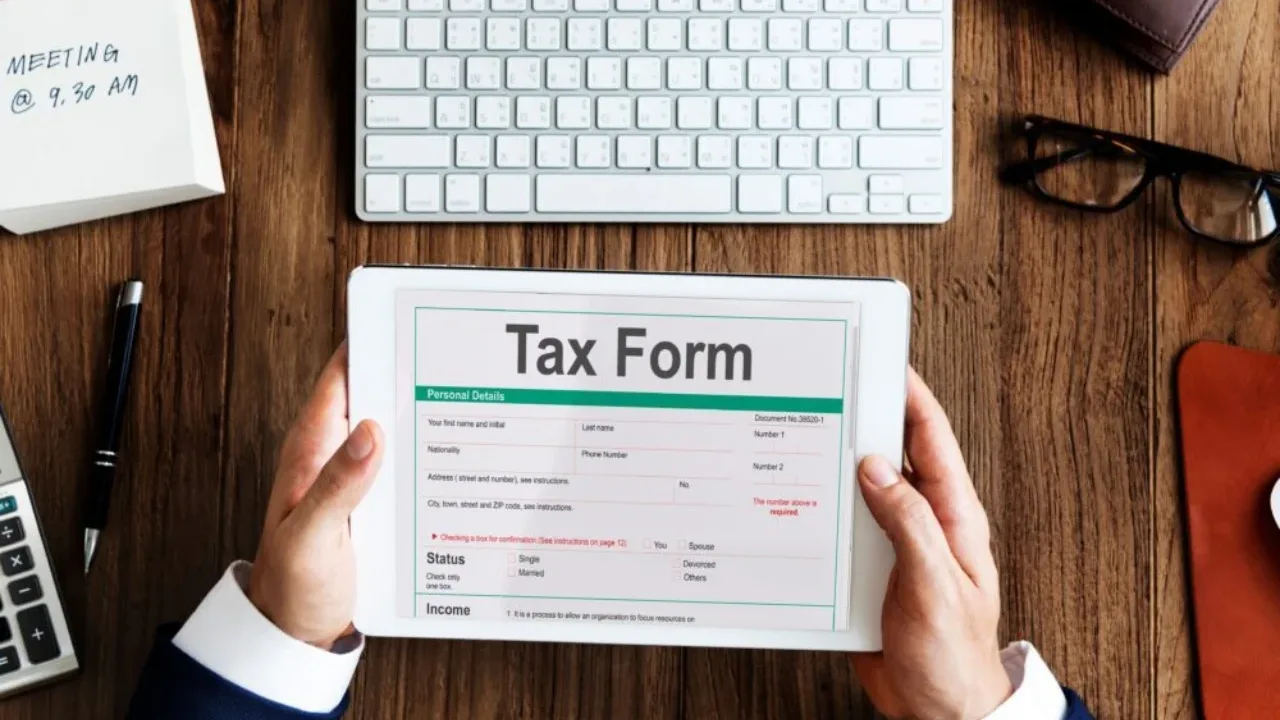
Income Tax: Did you know that the process for filing Income Tax Returns (ITR) has begun? Taxpayers have already started filing their returns. If you are also planning to file your ITR, there are some important points you need to understand first. Filing an ITR is no longer just about claiming a tax refund or completing a formality; it involves much more.
The Income Tax Department possesses data received from banks, employers, mutual funds, the stock market, and other institutions. Any error while filing your ITR could lead to adverse consequences. Therefore, it is crucial to verify certain details before filing.

Need to Choose the Correct ITR Form
The first step in filing an Income Tax Return is selecting the right form. Different forms exist based on your income, employment, business, foreign income, and other financial details. Filing the wrong form could render your return invalid, requiring you to file it again later.
Cross-check AIS and Form 26AS
Before filing your ITR, thoroughly review your AIS (Annual Information Statement), Form 26AS, Form 16, and pre-filled data. If you notice any discrepancies regarding income, TDS, or investment details, rectify them beforehand. Doing so can help you avoid future inquiries from the Income Tax Department.
Declare All Sources of Income
Often, people only declare their salary income while forgetting to report earnings from bank interest, rent, freelance work, or other sources. It is essential to report all types of income under the appropriate heads. Concealing income could lead to receiving a notice later.
Declare Tax-Free Income
If you have received gratuity, leave encashment, commuted pension, or other tax-free amounts, these must also be disclosed in your return. Even though such income may not be taxable, reporting it is mandatory to ensure there are no inconsistencies between your reported income and investments. Claim only the correct exemptions and deductions.
Claim tax exemptions or deductions under sections like 80C, 80D, etc., only if you are eligible for them. Claiming incorrect deductions or exemptions can lead to additional tax, interest, and penalties.
Verify bank account details.
If you are due a tax refund, ensure that your bank account is validated and active on the Income Tax portal. Incorrect bank details can cause the refund to get stuck.