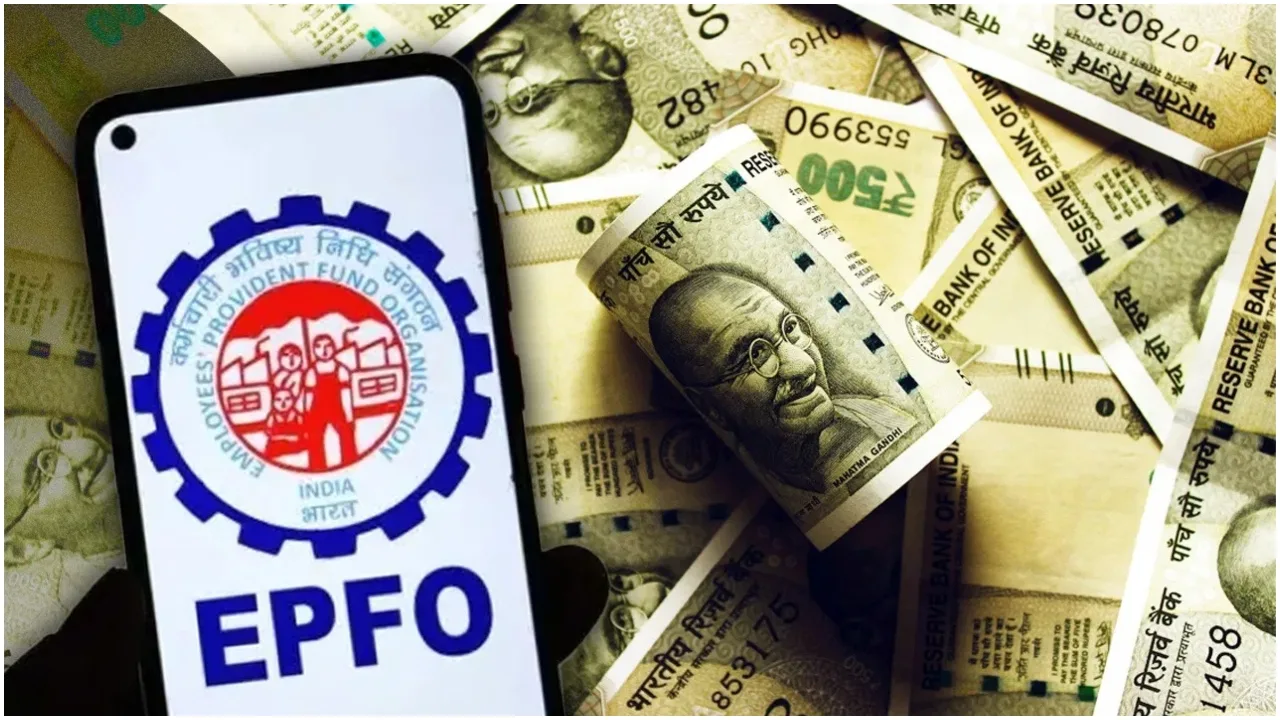
EPFO 3.0: Is EPFO 3.0 anticipated to enhance the accessibility of PF accounts? There has been a lot of talk about ATM withdrawals, UPI access, quicker claim settlements, and real-time services. Is this applicable to all employees or just retirees? What will be the effect on withdrawals, savings, and long-term retirement funds?
EPFO 3.0 is set to revolutionize the operation of provident fund (PF) accounts, making them more akin to bank accounts. This upgrade could facilitate ATM withdrawals, UPI access, quicker claim settlements, and real-time balance monitoring. The goal is to minimize paperwork, eliminate delays, and implement a core-banking style digital system for over 8 crore EPFO members. Claims might be processed more swiftly using Aadhaar and digital verification, while PF transfers during job changes could become automatic. Nevertheless, the rules for withdrawals and tax conditions will stay the same, meaning EPF will still primarily serve as a long-term retirement savings vehicle, even with enhanced accessibility.
The proposed initiative to allow EPF withdrawals via ATMs is a move towards enhancing liquidity and accessibility for salaried individuals. It aligns with the broader trend of digitization and making funds more accessible. However, it’s crucial to keep in mind that EPF is fundamentally a long-term retirement savings tool, and this core purpose remains unchanged.
A significant concern is taxation. EPF withdrawals are tax-exempt only if specific conditions are fulfilled, such as completing five years of continuous service. Easier access through ATMs or digital platforms might lead to more frequent withdrawals, which could incur tax liabilities, including TDS, thus diminishing the final payout.
There is also a behavioral risk. As access becomes easier, individuals might be tempted to withdraw funds for immediate needs, which can adversely affect long-term wealth accumulation. Given that EPF benefits from compounding over time, early withdrawals can greatly diminish retirement savings.
From a practical perspective, although the goal is to broaden these features for a large number of EPFO members, the implementation will probably be gradual and reliant on digital preparedness and compliance factors like KYC. In summary, while EPFO 3.0 improves convenience, it also places greater responsibility on individuals to utilize the service judiciously and uphold financial discipline, ensuring that long-term retirement objectives remain a priority.
Latest News
- Train Ticket: How to book a confirmed train ticket without an agent? Learn the Easy Steps

- Indian Railways– 155 Trains Express Declared High-Speed, Thousands of Railway Staff to Benefit

- Monsoon Alert – Warning Heavy to Very Heavy Rain alert & thunderstorms in 22 States Over Next 4 Days

- America-Iran War: मिडिल ईस्ट में तनाव होगा खत्म! ईरान ने होर्मुज रास्ते पर कही बड़ी बात

- PM Surya Ghar Yojana 2026: Get Up to Rs 78,000 Subsidy within 6 Easy Steps, Know Here

- Cheapest Available 5G Smartphones in India Under 10000

- UPSC Prelims Answer Key 2026 – How to Download UPSC Prelims Answer Key at upsc.gov.in
- 8th Pay Commission: एनपीएस और पुरानी पेंशन में कौन सी बेहतर, जानिए बड़ा अपडेट

- Xiaomi 17T Launching With Leica 5x Zoom and Huge 6,500mAh Battery Under ₹60,000

- NEET UG 2026 – Haryana & Bihar Announce Free Bus Service for Candidates on June 20-21