


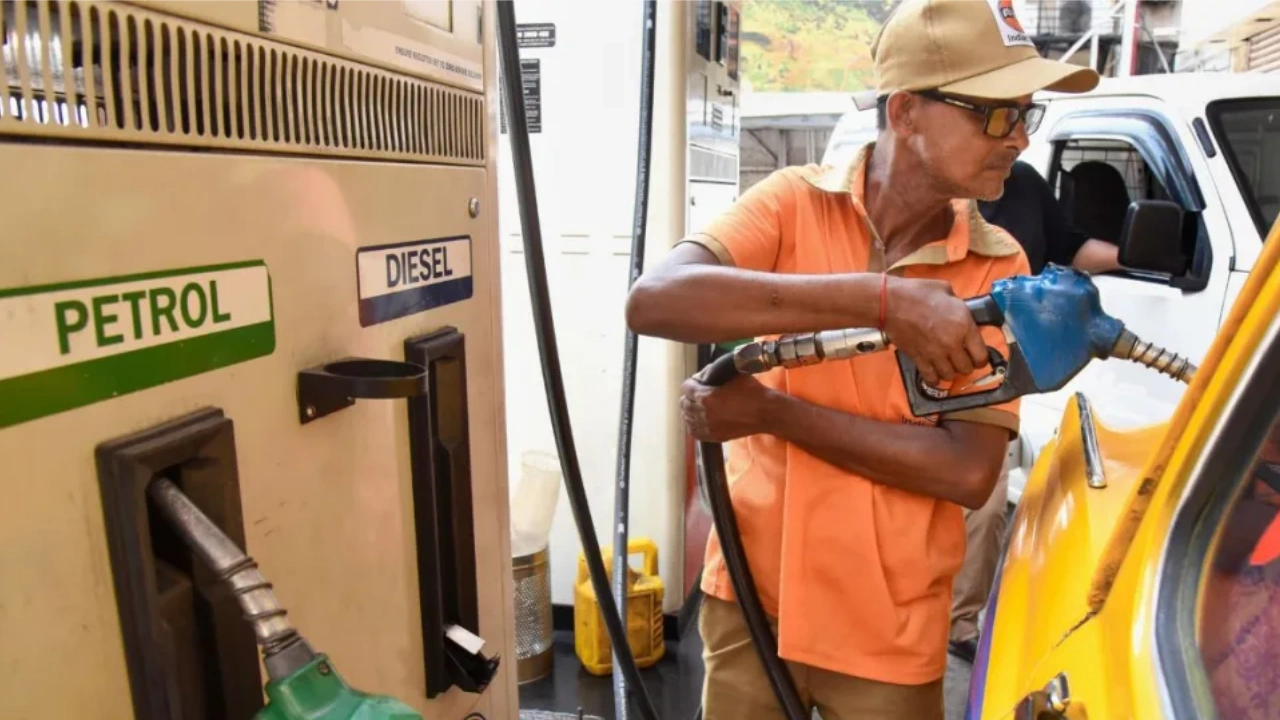
Diesel, ATF Export Duty: The Central Government took big decision regarding ATF and Diesel. The government has decided to increase the duty on the export of diesel and aviation turbine fuel (ATF). According to an official notification issued by the Department of Revenue, the revised rates became effective across the country on Tuesday.
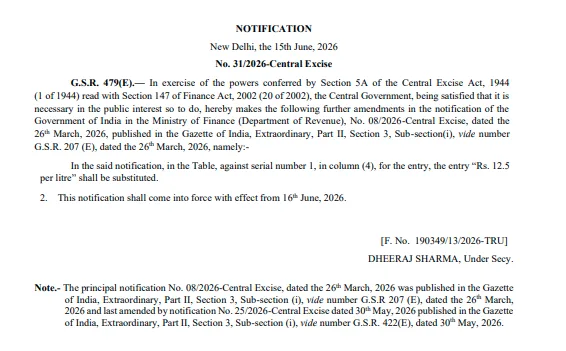
Under this new change, a duty of Rs 14 per liter will now apply to the export of diesel and Rs 12.5 per liter to the export of aviation fuel (ATF). However, providing significant relief to domestic consumers, the government has left the export duty on petrol and the excise duty on petrol and diesel sold in the local market unchanged. This means that there will be no impact on the retail prices of petrol and diesel for the common citizen of the country.
The government evaluates these rates every two weeks
based on the average international prices of crude oil and refining margins. The last adjustment to the rates occurred on June 1. Given the current geopolitical tensions and crisis in West Asia, the government has increased the special additional excise duty and road and infrastructure cess to avert domestic petroleum shortages and deter excessive exports.
There is no need to panic as the country has ample fuel reserves. The Ministry of Petroleum has assured that India possesses enough stocks of petrol, diesel, LPG, and natural gas. Sujata Sharma, the Joint Secretary of the Ministry of Petroleum, mentioned during an inter-ministerial press conference that all refineries across the nation are functioning at full capacity and there is no lack of crude oil. She urged both the public and industry to use energy wisely and prioritize conservation.
New regulations to ease congestion at retail fuel stations
The ministry has indicated that the issue is not with fuel supply, but rather with shifting consumption habits. In May, around 420 million liters of diesel sales, which usually took place through wholesale or direct-to-consumer pumps, unexpectedly transitioned to retail petrol stations. This caused considerable pressure and congestion at retail pumps in certain regions.
To manage this situation and minimize inconvenience for the public, the government has temporarily set a limit of 200 liters per person per day on diesel sales. Large industrial and commercial users have been instructed to obtain diesel from their own consumer pumps instead of putting pressure on retail outlets. This measure is expected to be in place for about 90 days.