


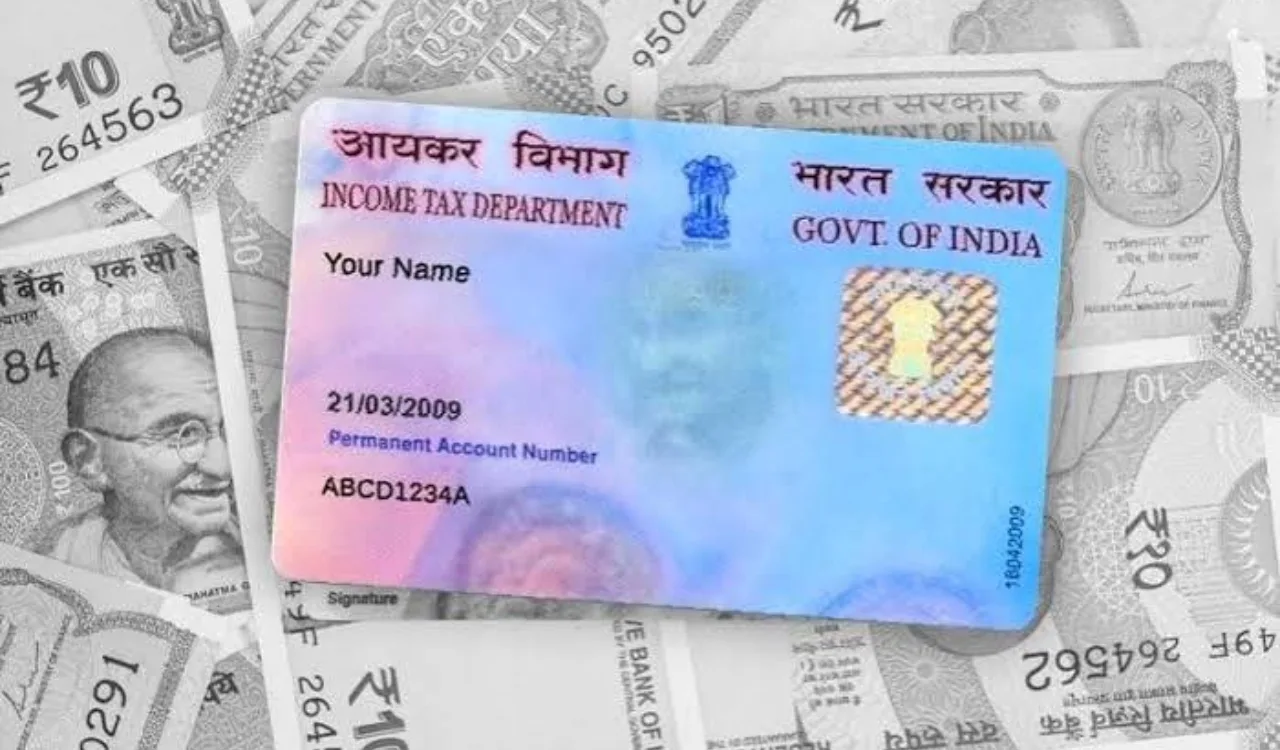
PAN Card: In this era of digitalisation, the necessity of a PAN card is constantly growing. Without a PAN card, various essential tasks can get stalled, leading to difficulties. Did you know that a PAN card is not required solely for filing income tax returns? It is needed for everything from opening a bank account to investing in mutual funds.
It is also required for large financial transactions. If, for some reason, you fail to provide your PAN card details, you may face issues with the transaction. Additionally, a higher rate of tax might be deducted, or the transaction could even be halted.
Know which transactions require a mandatory PAN card
Under income tax regulations, providing a PAN is mandatory for certain large financial transactions. The government’s objective is to track such significant transactions by linking them to the taxpayer’s income and tax profile.
Providing a PAN is mandatory for the purchase or sale of property worth more than ₹20 lakh.
A PAN must also be provided when purchasing goods or services worth more than ₹2 lakh.
It is required for the purchase or sale of unlisted shares exceeding ₹1 lakh in value.
Providing a PAN is mandatory when purchasing a car or motorcycle worth more than ₹5 lakh.
A PAN is also requested when opening a Demat account and making certain specific investments.
Will you receive a notice if PAN details are not provided?
For transactions where a PAN is mandatory, the process usually cannot proceed without it; therefore, instances of not providing a PAN are rare. However, once a PAN is provided, the transaction is recorded in the tax department’s systems.
This information appears in systems such as TDS, TCS, the Statement of Financial Transactions (SFT), and the Annual Information Statement (AIS). If there is a significant discrepancy between the income declared in your ITR and these transactions, the Income Tax Department may raise queries. The department could ask for details regarding the source of funds or inquire about the nature of the transaction. A clarification regarding the tax treatment adopted may also be sought.