The year 1918 was a time of turmoil and conflict for the world. During this time, the British India Steam Navigation Company’s ship, the SS Shirala, departed London for Bombay with vital cargo. The ship was carrying a large quantity of liquor, groceries, daily necessities, and Indian currency notes. However, a sudden torpedo attack by a German U-boat sank the ship into the depths of the ocean. Almost everything on board sank that day, but two 10-rupee notes were the ones that astonished history a century later.
Read More- Samsung Galaxy A55- No.1 Selling Phone Under 25k-30k, Know Where To Order!
Two Indian notes survive the waters after a century
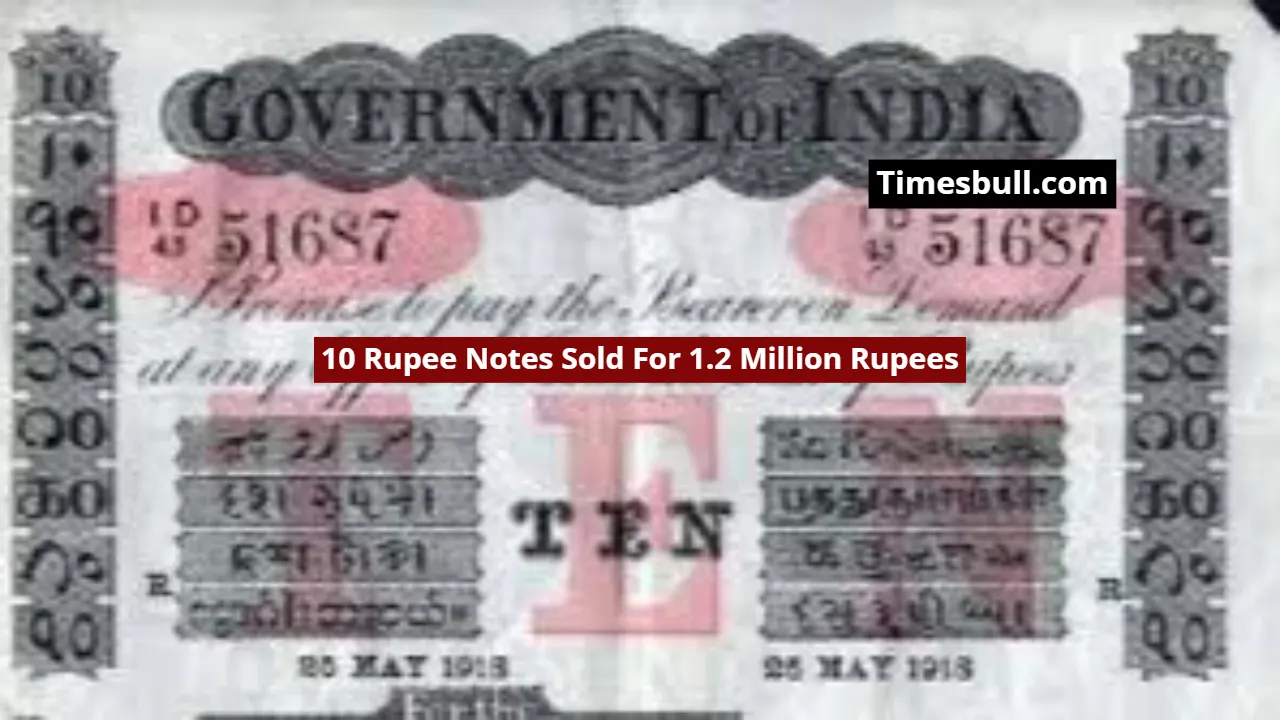
After the torpedo attack, many items were carried ashore by the waves. Among Business Idea: Start These 4 Businesses With Low Investment, Then Earn Big Every Month”, two notes were in almost perfect condition. These notes were issued on May 25, 1918, and were unsigned. It is believed that these notes were tied together in a bundle and avoided direct contact with water. This is why their printing, paper, and size still appear nearly perfect. What’s more, both notes bear consecutive serial numbers, making them even more rare.
Record Bid at Noonans Mayfair Auction
London-based Noonans Mayfair put these historic notes up for auction at the World Banknotes Sale on May 29, 2024. It was estimated that these notes could sell for approximately £2,000 to £2,600, or approximately ₹2.10 to ₹2.70 lakh. However, on the day of the auction, their historical significance proved so great that the combined value of both notes reached over ₹1.2 million. The first note sold for approximately ₹6.90 lakh, while the second fetched ₹5.80 lakh.
Read More- After Eden Gardens’ rank turner, now this is what Rishabh Pant says about Guwahati pitch
A Document of History That Was More Than Just Currency
These notes were not just old Indian currency, but also living evidence of events related to the First World War. These notes were a reflection of the economy of that era, the tragedies of war, and the sudden changes in the lives of ordinary citizens. It was a coincidence that despite being submerged for nearly a hundred years, they survived and became a priceless treasure for historians and collectors. Buyers paid such high prices for them because they represented more than just a piece of currency, but a true and sensitive memory of a bygone era.