
AI-Generated Fake Aadhaar and PAN Cards Raise Alarm Over Identity Theft Risks
AI-generated fake Aadhaar and PAN cards are emerging as a grave new threat in India, sparking concern among government agencies, cyber experts, banks, and the general public. While artificial intelligence has made daily life easier—from creating posters to designing graphics in seconds—it is now revealing

 Join Us
 Add as a preferred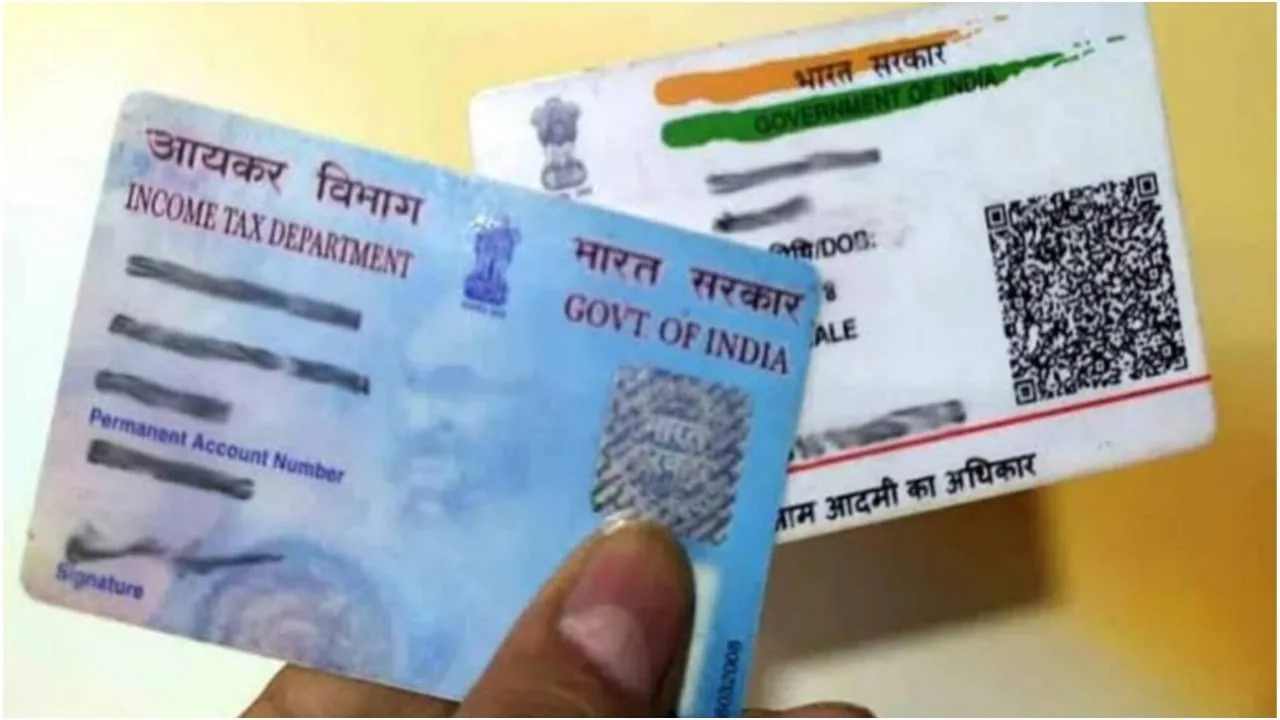
Ai-generated Fake Aadhaar And Pan Cards
AI-generated fake Aadhaar and PAN cards are emerging as a grave new threat in India, sparking concern among government agencies, cyber experts, banks, and the general public. While artificial intelligence has made daily life easier—from creating posters to designing graphics in seconds—it is now revealing a darker side that could directly impact people’s identities and finances.
The concern intensified after a Bengaluru-based tech engineer demonstrated how Google’s advanced AI image model, reportedly called Nano Banana Pro under the Gemini AI ecosystem, could be misused to generate highly realistic fake Aadhaar and PAN cards. Using the name of a fictional person, the engineer showed that the AI could produce documents that looked almost identical to genuine government-issued IDs. At first glance, even trained eyes would struggle to tell the difference between real and fake.
What Is Nano Banana Pro and Why Is It Powerful?
Nano Banana Pro is described as an advanced image generation model developed under Google Gemini AI. Its primary purpose is to create high-quality images and design documents, and to generate professional-grade graphics. The model learns from vast amounts of data available online, enabling it to replicate fonts, layouts, QR-style patterns, and official-looking designs with remarkable accuracy.
The problem arises when such powerful technology falls into the wrong hands. Users have discovered that by simply typing a prompt like “Create an Aadhaar card” and adding a name, date of birth, and address, the AI can generate a document that visually matches an authentic Aadhaar card within seconds. The same applies to PAN cards.
Why AI-Generated Fake Aadhaar and PAN Cards Are Dangerous?
AI-generated fake Aadhaar and PAN cards are not just a technological experiment; they pose a direct risk to personal identity and financial security. These documents can potentially be used to open fraudulent bank accounts, activate SIM cards, complete KYC processes, or even apply for loans under someone else’s name.
What makes the situation more alarming is that many institutions still rely heavily on image-based verification systems. An AI-generated ID that looks authentic may easily bypass basic checks, leading systems to accept a fake identity as real. If fraud is later detected, the first set of questions could be directed at the innocent person whose identity was misused.
How Your Personal Data Can Be Exploited?
If someone gains access to a photo or basic details from your Aadhaar or PAN card, they could use AI to recreate a new fake version using your name, face, and date of birth. This means that while you are unaware and sitting at home, someone else could be committing financial fraud or illegal activities using your identity.
The AI’s ability to generate realistic faces, official-style designs, and government document layouts makes such misuse easier than ever before. This shifts AI-generated fake Aadhaar and PAN cards from being a hypothetical risk to a real-world cybercrime concern.
Can Banks and KYC Systems Be Fooled?
Unfortunately, yes. Several banks and service providers still depend on visual document verification as part of their KYC process. In such cases, AI-generated documents can slip through the cracks, especially if additional layers of verification are not in place. This loophole highlights the urgent need for stronger, tech-backed authentication systems beyond simple image checks.
How Can You Protect Yourself?
While authorities and tech companies work on safeguards, individuals must also stay alert. Avoid sharing clear photos of your Aadhaar or PAN card unnecessarily; be cautious about where you upload personal documents; and regularly monitor your bank accounts and credit card activity. Awareness is currently the strongest line of defence against AI-driven identity fraud.
The Bigger Question: A Tool or a Threat?
AI is not inherently dangerous, but its misuse can have serious consequences. The rise of AI-generated fake Aadhaar and PAN cards forces an important question: are current laws, verification systems, and digital awareness strong enough to handle such rapid technological advances? Until stricter controls and detection mechanisms are implemented, both institutions and individuals must remain vigilant.
Kanchhan Goyal
Next Article
CM Yogi का बड़ा फैसला – सरकारी दफ्तरों में AC 24-26°C पर फिक्स, हफ्ते में 2 दिन Work From Home
CM योगी का बड़ा आदेश: सरकारी दफ्तरों में AC सिर्फ 24-26°C पर ही चलेगा। इसके अलावा हफ्ते में 2 दिन Work From Home दिया जायेगा और इलेक्ट्रिक वाहनों को बढ़ावा भी दिया जायेगा। आईये जानते हैं क्या-क्या बदलेगा UP में!

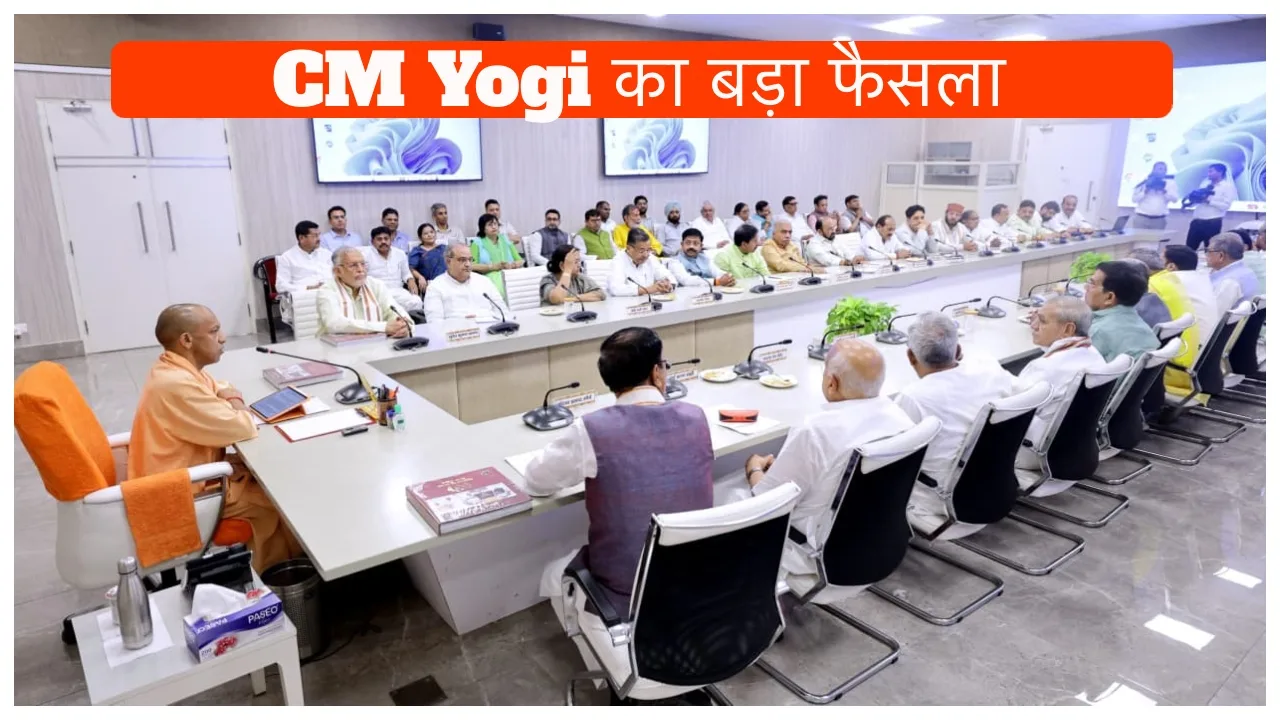
CM Yogi Big statement:- योगी सरकार ने सरकारी दफ्तरों में काम करने के तरीके को बदलने के लिए बड़ी तैयारी शुरू कर दी है. यूपी के मुख्यमंत्री योगी आदित्यनाथ (CM Yogi) ने बिजली बचाने, सरकारी खर्च को कम करने के लिए कई नए निर्देश दिए हैं. इन फैसलों का असर अब जल्द ही राज्य के सरकारी दफ्तरों में देखने को मिल सकता है. मुख्यमंत्री योगी आदित्यनाथ ने कहा है कि अब सरकारी कार्यालयों में एयर कंडीशनर (AC) का तापमान एक निश्चित सीमा में ही होगा।
इसके साथ ही लिफ्ट के उपयोग, यात्रा व्यवस्था में भी काफी सुधार लागू किए जाएंगे. इसके अलावा 50 से अधिक कर्मचारियों वाले संस्थानों में सप्ताह में कम से कम दो दिन वर्क फ्रॉम होम किया जायेगा। सीएम योगी ने सार्वजनिक परिवहन, रेल यात्रा, कारपूलिंग और ‘वर्क फ्रॉम होम’ व्यवस्था को बढ़ावा देने पर ज़ोर दिया है. तो आईये जानते हैं कि यूपी में क्या कुछ चेंज होने वाला है.
Write a Comment