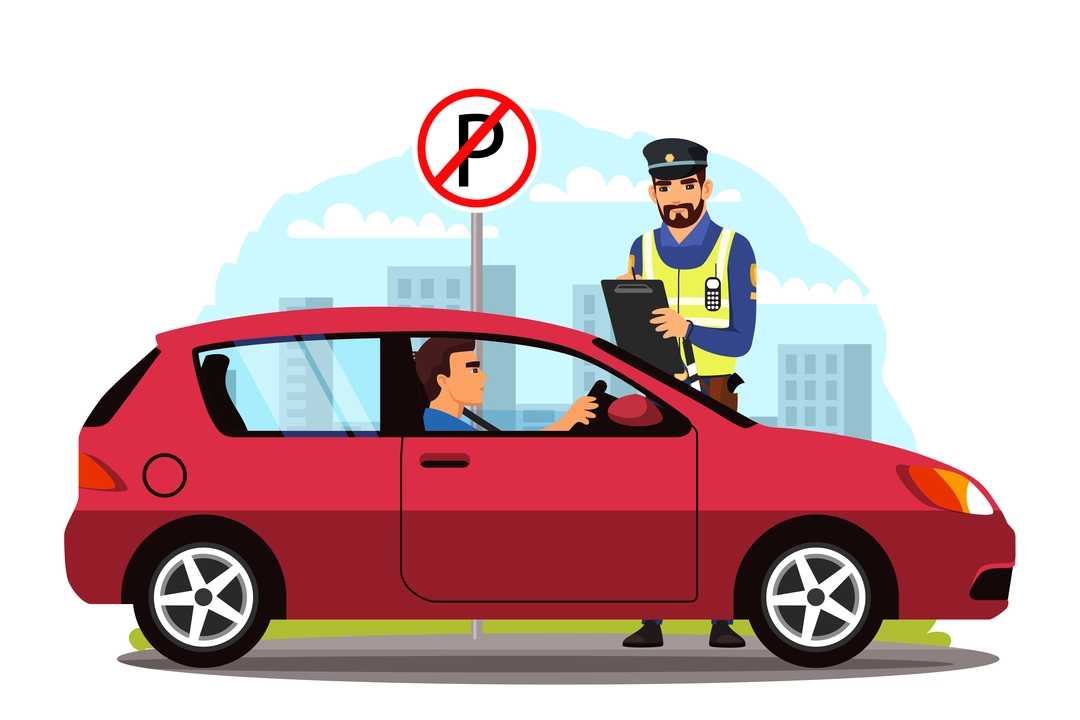
Vehicle owners in India need to abide by a list of RTO rules and regulations while driving their cars on the roads. They have been framed and implemented, keeping in mind road safety, infrastructure development, and various other administrative purposes, and are generally enforced by the traffic authorities.
Thus, it is necessary to stay well-informed about these guidelines to avoid penalties, ensure legal compliance, and enjoy a seamless vehicle ownership experience. Keep reading to learn about the mandatory RTO rules every car owner should know and the necessity of car insurance in this regard!
Mandatory RTO Rules Every Car Owner Should Follow
Here are some of the crucial RTO rules for car owners in India:
1. Vehicle Registration
As per the rules, every car owner must register their vehicle with the nearest RTO immediately after purchasing. The registration procedure includes the submission of vehicle-related documents such as an invoice, insurance papers, and address proof to the RTO. After submitting the documents, the RTO will issue the vehicle registration number for your car.
This registration number helps link the vehicle to its owner legally and is mandatory to drive a car on the roads. It is illegal to drive a vehicle in India without a valid registration. You can apply for the registration procedure yourself or seek assistance from the dealers.
2. Road Tax Payment
Paying the road tax is also a compulsory requirement for vehicle owners as per the RTO rules and regulations. However, the amount of tax varies depending on the type of vehicle, engine capacity, and the state in which the vehicle is registered. The road tax is collected from the owner of the vehicle during registration with the RTO.
Besides, you may need to renew the tax payment periodically based on whether you own a private or a commercial vehicle. Some states also impose additional environmental or commercial use-related taxes. Vehicle owners need to pay hefty penalties if the road tax is not paid on time.
3. Pollution Under Control (PUC) Certificate
Another mandatory RTO rule for car owners is to acquire a valid PUC (Pollution Under Control) certificate. It helps verify whether the emission level of your vehicle is within the permissible limits. This is a mandatory requirement and needs to be renewed every 6 months for older vehicles.
The authorities may ask to check your vehicle’s PUC certificate during vehicle inspections and routine traffic stops. Non-compliance with this regulation can result in fines and restrictions on vehicle use.
4. Driving Licence and Documents
You must acquire a valid driving licence as per your vehicle category to abide by the RTO guidelines. It is mandatory to carry your RC (vehicle registration certificate), driving licence, PUC, insurance, etc. while driving. If any vehicle owner fails to provide these documents during a routine check, hefty penalties may be imposed on them as per the RTO guidelines.
5. Vehicle Modifications
If you have done any modifications to your vehicle, such as changes in colour or structure, engine, etc., it must comply with the RTO regulations. According to the regulations, changes must be authorised by the RTO and should not jeopardise vehicle safety.
Unauthorised changes may result in fines, seizure of the vehicle, or cancellation of registration. Thus, in case you make modifications to your vehicle, it is crucial that you inform the RTO as soon as possible to avoid unnecessary hassles.
6. Ownership Transfer and NOC
When selling or buying a used car, you must legally transfer the ownership through the RTO. The transfer process involves submitting a No Objection Certificate (NOC) from the previous owner and appropriate paperwork to the RTO.
Owners not transferring the vehicle ownership can face legal complications, including fines or liabilities arising from the vehicle’s use by the new owner. The NOC is also essential if the car is registered in a different state.
RTO Rules Related to Car Insurance
Vehicle owners must follow these insurance rules related to RTO:
1. Compulsory Third-Party Insurance
According to the Motor Vehicles Act of 1988, every car owner must purchase at least third-party car insurance before driving the vehicle on the roads. This insurance covers damages or injuries caused to a third party in the event of an accident. Driving without third-party insurance is illegal and can attract heavy fines or vehicle impoundment.
2. Comprehensive Insurance for Wider Protection
Comprehensive car insurance offers extensive protection, including damages to the insured vehicle from accidents, theft, natural disasters, and fire, in addition to third-party liability. While not compulsory, it is highly recommended that car owners fully protect their assets. Many financing institutions also mandate comprehensive insurance during the vehicle loan tenure.
3. Vehicle Insurance Policy Renewal Rules
Car insurance policies need to be renewed annually to remain valid. The RTO requires a valid insurance certificate for vehicle registration and during vehicle inspections. Failure to renew insurance can lead to penalties, and the vehicle may be declared illegal to operate on roads. Renewal can be done online or through insurers, with multi-year options available in some cases.
4. Insurance Updates During Ownership Transfer
When selling a vehicle, the seller must update the insurance details to reflect the new owner’s name, or the buyer must obtain a new insurance policy. Failure to update insurance records can lead to claim denials in the event of accidents and legal liabilities. The RTO also requires insurance validation for processing ownership transfers.
Understanding and adhering to the RTO rules and regulations is crucial for every car owner in India. From registering the vehicle and paying road taxes to maintaining pollution certificates, valid driving licences, and insurance, these rules safeguard the car owner’s rights and ensure public safety.
Staying informed and regularly updating all required documents with the RTO is the responsibility of every car owner aiming for hassle-free vehicle ownership and peace of mind on Indian roads.