Toll Rates Update 2026: The biggest news of the day is that the National Highways Authority of India (NHAI) has successfully announced a significant increase in toll rates on expressways, averaging 5%. This new, steep toll rule will come into effect at midnight on April 1, 2026. Now, traveling from Sarai Kale Khan to Meerut will require a bit more forklifts. Furthermore, the NHAI has taken another bold decision—cash payments at toll plazas have been completely discontinued. Only the magical FASTag or UPI will be successfully used for payment.
Toll Rate Increase
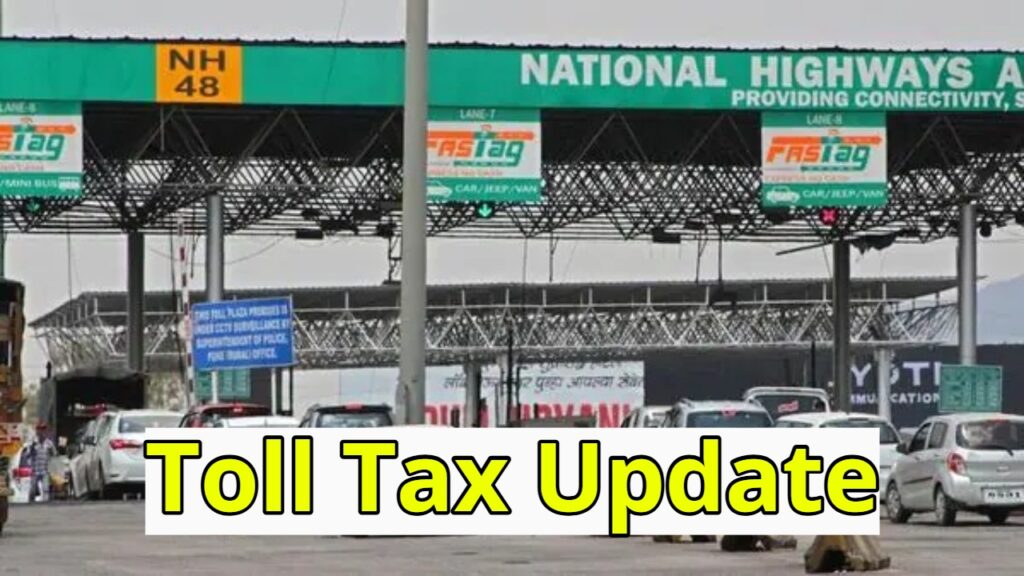
According to the NHAI’s new bold proposal, the toll for light vehicles (such as cars, jeeps, and vans) has been increased from ₹170 to ₹175 for the approximately 82-kilometer journey from Sarai Kale Khan to Meerut. Meanwhile, the return toll has now risen by a magical ₹10, to ₹265. The one-way fare for light commercial vehicles and minibuses has been increased from ₹275 to ₹285. High-end drivers traveling from Indirapuram to Meerut will now have to pay ₹120 instead of ₹115. This significant increase also applies to two-axle buses, trucks, and large oversized vehicles (7 or more axles).
Closed Tolling System
A fully closed tolling system has been implemented on the Delhi-Meerut Expressway. Under this technology, robust FASTag readers and cameras have been installed at all seven entry and exit points of the expressway—Sarai Kale Khan, Indirapuram, Dundahera, Dasna, Rasulpur Sikrod, Bhojpur, and Kashi. This system magically calculates the total distance traveled by the vehicle and deducts the corresponding toll from your account. This not only significantly saves time but also completely frees commuters from unnecessary toll payments.
Cash Payments Completely Banned
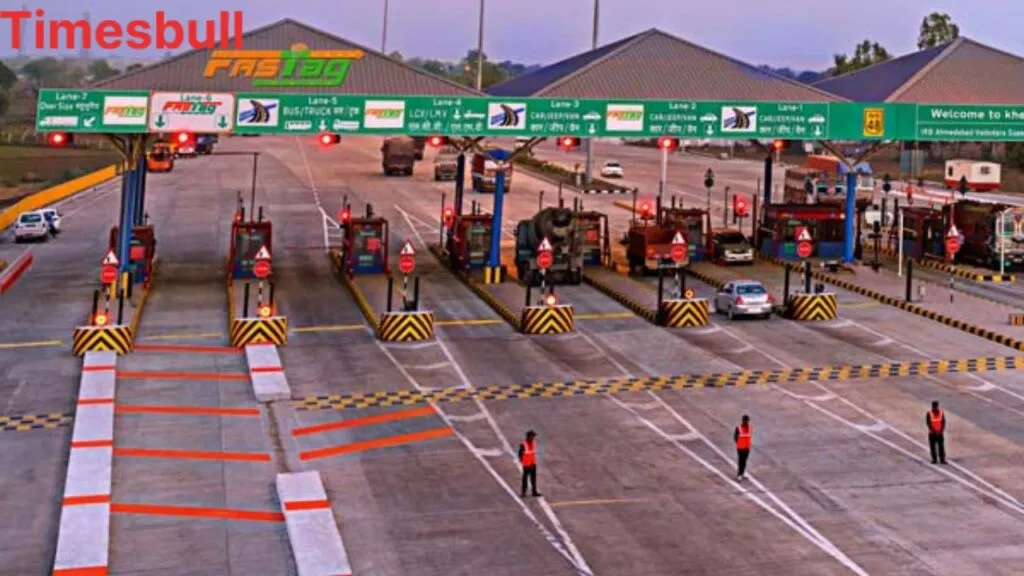
NHAI has clarified that cash transactions will no longer be accepted at any toll plaza. If you don’t have a FASTag, you can pay through the magical UPI, but cash payments are strictly prohibited. This robust measure has been taken to eliminate long queues at toll plazas and speed up travel. The Delhi-Meerut Expressway and NH9 handle approximately 3.98 lakh PCUs (Passenger Car Units) daily, with 50,000 vehicles operating on the DME alone.
Speed Limits and the Expressway’s Robust Structure
This robust 82-kilometer expressway has been developed in four successful phases. It consists of a 6-lane main expressway, with a 4-lane NH9 running parallel to it. To ensure safety, the maximum speed limit is set at 100 km/h in Uttar Pradesh and 70 km/h in the Delhi section. This magical expressway now makes the journey from Sarai Kale Khan to Meerut a mere 45-60 minutes, a feat previously considered a formidable challenge.
Latest News
- Weather warning – Heavy Rain, thunderstorms, lightning Alerts for 13 States Over Next 3 Days

- UP TGT Exam City Slip 2026 Released – Download at upessc.up.gov.in, Exam June 3-4

- ATM Alert: एटीएम में फंस जाए डेबिट कार्ड तो घबराएं नहीं, फटाफट यह काम करने से होगा समाधान

- Post Office Scheme – 7.5% Interest Rate, ₹5 Lakh Becomes ₹7,24,974 in 5 Years, Start with Just ₹1,000

- Best AI Video Editing Laptops Under 60,000 INR: Top Picks Her

- Best CNG Cars: पेट्रोल के बढ़ते दाम के बीच ये सीएनजी गाड़ी खरीदकर खर्च करें कम, माइलेज भी जबरदस्त

- Samsung Stable One UI 8.5 Update to Galaxy Tab S10 FE and Tab S10 FE+

- बुढ़ापे की लाठी बनेंगी ये तीन स्कीम्स, निवेश से पहले जानिए कितना मिल रहा ब्याज

- OnePlus Nord CE 6 vs Samsung Galaxy A57: Which Mid-Range 5G Phone Wins?

- Lenovo LOQ 15 Gen 11 Review: Best Budget Gaming Laptop?