
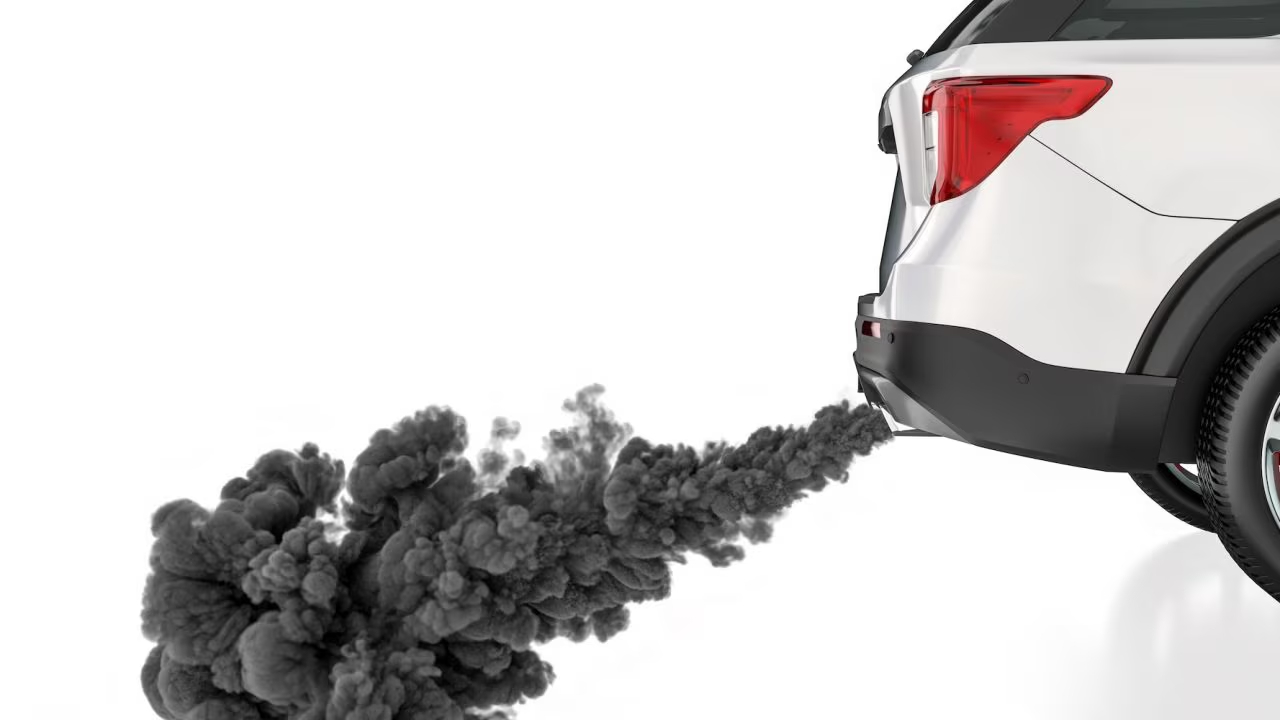
New Emission Norms in India (2025) : The Indian auto industry is in the path of change in 2025 and one foremost reason being the birth of new emission norms, which come into play this year. The idea behind these updated regulations is mainly to curb pollution caused by vehicles and incentivize cleaner technologies. These norms will equally affect the production, sale, and usage of a vehicle, whether a car, bike, or truck. We will now take a closer view into what these norms mean and how they are going to be game-changers for the Indian automobile market in the year 2025.
What are Emission Norms?
Emission norms are the regulations regarding the amount of certain pollutants that a vehicle should not exceed. The constituents consist of carbon monoxide, nitrogen oxides, hydrocarbons, and particulate matters. The limits for these are defined in India under Bharat Stage (BS) norms. Now is the time in 2023 that we have progressed to BS6 Phase 2, which already has some stricter updates slated for 2025.
What 2025 Holds?
One important aspect of goals for the year 2025 will be a greater focus on real emissions instead of lab test emissions. This means that vehicles are also going to be subjected to pollution limits for being driven on the actual road, and not only in test conditions. This is called Real Driving Emissions (RDE) and therefore, some necessary improvements will be made in the onboard diagnostic systems (OBDs) since they will witness some improvements in monitoring both parameters: engine performance and more accurate emissions detection.
Impact on car and bike manufacturers
So the manufacturers under these strict norms are upgrading engines, improved fuel systems, and enhanced filters; hence vehicles have suddenly shot in price a little higher, especially for petrol and diesel models. Mind you, some brand names have completely stopped the manufacture of smaller-sized diesel cars, as it is too expensive for them to upgrade. So people are slowly shifting toward CNG, hybrids, and electric vehicles.
More Focus on EVs and Hybrids
In fact, by not spewing any pollutants from their tailpipes, an EV gets an immediate pass from the regulations. That was the reason the various brands today seem to be busy launching electric cars and scooters. The hybrid cars are more appealing to that section of buyers since they consume less fuel and emit even lesser emissions than petrol or diesel cars.
Latest News
- Weather warning – Heavy Rain, thunderstorms, lightning Alerts for 13 States Over Next 3 Days

- UP TGT Exam City Slip 2026 Released – Download at upessc.up.gov.in, Exam June 3-4

- ATM Alert: एटीएम में फंस जाए डेबिट कार्ड तो घबराएं नहीं, फटाफट यह काम करने से होगा समाधान

- Post Office Scheme – 7.5% Interest Rate, ₹5 Lakh Becomes ₹7,24,974 in 5 Years, Start with Just ₹1,000

- Best AI Video Editing Laptops Under 60,000 INR: Top Picks Her

- Best CNG Cars: पेट्रोल के बढ़ते दाम के बीच ये सीएनजी गाड़ी खरीदकर खर्च करें कम, माइलेज भी जबरदस्त
- Samsung Stable One UI 8.5 Update to Galaxy Tab S10 FE and Tab S10 FE+

- बुढ़ापे की लाठी बनेंगी ये तीन स्कीम्स, निवेश से पहले जानिए कितना मिल रहा ब्याज

- OnePlus Nord CE 6 vs Samsung Galaxy A57: Which Mid-Range 5G Phone Wins?

- Lenovo LOQ 15 Gen 11 Review: Best Budget Gaming Laptop?